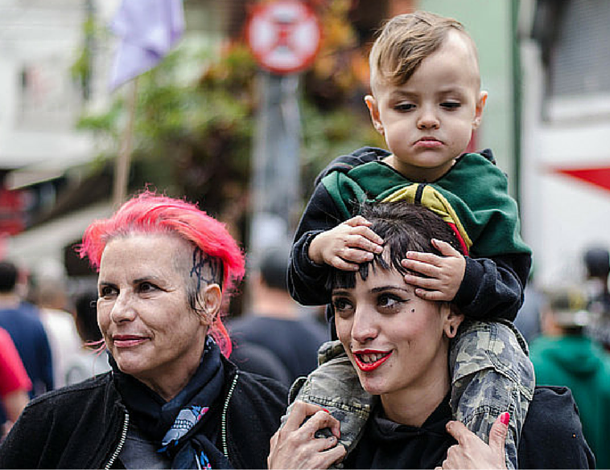
Over the past few years, a troubling new trend at the international human rights level is being observed, where discourses on ‘protecting the family’ are being employed to defend violations committed against family members, to bolster and justify impunity, and to restrict equal rights within and to family life.
The campaign to "Protect the Family" is driven by ultra-conservative efforts to impose "traditional" and patriarchal interpretations of the family, and to move rights out of the hands of family members and into the institution of ‘the family’.
“Protection of the Family” efforts stem from:
rising traditionalism,
rising cultural, social and religious conservatism and
sentiment hostile to women’s human rights, sexual rights, child rights and the rights of persons with non-normative gender identities and sexual orientations.
Since 2014, a group of states have been operating as a bloc in human rights spaces under the name “Group of Friends of the Family”, and resolutions on “Protection of the Family” have been successfully passed every year since 2014.
This agenda has spread beyond the Human Rights Council. We have seen regressive language on “the family” being introduced at the Commission on the Status of Women, and attempts made to introduce it in negotiations on the Sustainable Development Goals.
Our Approach
AWID works with partners and allies to jointly resist “Protection of the Family” and other regressive agendas, and to uphold the universality of human rights.
In response to the increased influence of regressive actors in human rights spaces, AWID joined allies to form the Observatory on the Universality of Rights (OURs). OURs is a collaborative project that monitors, analyzes, and shares information on anti-rights initiatives like “Protection of the Family”.
Rights at Risk, the first OURs report, charts a map of the actors making up the global anti-rights lobby, identifies their key discourses and strategies, and the effect they are having on our human rights.
The report outlines “Protection of the Family” as an agenda that has fostered collaboration across a broad range of regressive actors at the UN. It describes it as: “a strategic framework that houses “multiple patriarchal and anti-rights positions, where the framework, in turn, aims to justify and institutionalize these positions.”
Related Content
Snippet - Home page promo WITM - FR
« Où est l’argent pour l’organisation des mouvements féministes? »
En s’appuyant sur nos 20 années d’efforts pour la mobilisation de davantage de financements de meilleure qualité pour des changements sociaux menés par des féministes, l’AWID vous invite à répondre à la nouvelle version de notre enquête phare intitulée WITM
In 2019, I was invited by the BBC to speak at the 100 women conference in Delhi, India, on the subject of ‘The future of love, relationships, and families.’ The audience seated in the large hall consisted mostly of young Indians- college students, professionals, activists etc (...)
artwork: “Angels go out at night too” by Chloé Luu >
Anti-Rights Trends in Regional Human Rights Systems
Chapter 6
In the African Commission and the Inter-American System, anti-rights actors push essentialist notions of culture and gender to hamper progress on rights and undermine accountability. As we see, anti-rights actors are exerting influence in regional human rights systems, as well as international spaces.
The African Commission on Human and Peoples' Rights has begun framing women’s and sexual rights as jeopardising its ability to deal with “real rights” and contrary to “African values”, setting a worrying anti-rights precedent. The withdrawal of the Coalition of African Lesbians’ observer status is an example of this trend, and points to the way space for feminist, Pan-Africanist engagement is being stifled.
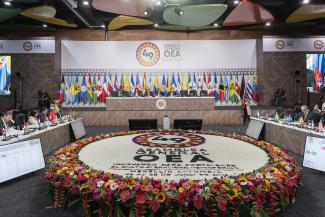
In the Organization of American States (OAS) and the Inter-American Human Rights System, anti-rights strategies include the NGOization of religious groups, the use of secular discourses, and the co-optation of discrimination frameworks. Anti-rights influence has materialized in a number of ways, including the intimidation of trans activists and the blocking the introduction of progressive language in resolutions.
Table of Contents
Silencing Feminists in the African Human Rights System
Anti-rights Groups in Latin America: Organization of American States (OAS) General Assembly and the Inter-American Human Rights System
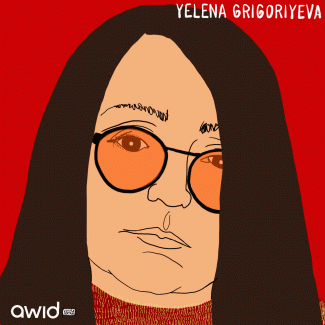
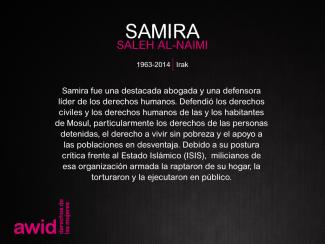
Yelena Grigoriyeva, often called Lena by friends, was a prominent LGBT rights campaigner in Russia.
She was part of democratic, anti-war and LGBT movements. In her activism, Yelena was a fierce critic of President Vladimir Putin and his administration, expressing her opposition against Russia’s annexation of Ukraine’s Crimea peninsula and the ill-treatment of prisoners.
Yelena came out as bisexual earlier in 2019.
"Her coming out was a surprise to me, and I didn't approve of it. I told her 'Listen, Lena, you already have a target painted on you because of your political activity. You've just pinned another to your chest." - Olga Smirnova
Yelena did receive multiple death threats and according to some of her acquaintances, was listed on a homophobic website that called on its visitors to hunt down LGBT persons. She reported the threats to the police, however the Russian state failed to provide protection.
But even in a society where political opposition, as well as members of the LGBT community and advocates for their rights, face continuous and increasing violence, Yelena kept campaigning for social justice and equality.
“She did not miss a single action. And they detained her so often that I already lost count,”
- Olga Smirnova (fellow opposition activist and friend).
Yelena was murdered on 21 July 2019, not far from home. A suspect was arrested but according to some sources, many friends and fellow activists believe that the suspect is a scapegoat and that this was a targeted political killing.
For Yelena’s relatives and friends, her case remains unsolved even though the suspect confessed.
In 2013, Russia passed legislation banning the spreading of what it described as ‘gay propaganda’. In 2014, Human Rights Watch published a report relating to this.
Pour réaliser sa mission, l’AWID travaille par la voie de programmes pluriannuels et interreliés.
Chaque programme comporte plusieurs volets, y compris le développement et la diffusion de connaissances, la recherche-action, les plaidoyers, l’établissement d’alliances et l’organisation de dialogues stratégiques.
Notre Rapport Annuel 2011 vous proposent un sommaire des principales réalisations pendant l'année, dans le cadre de chacune des programmes de l’AWID.
By joining AWID, you are becoming part of worldwide feminist organizing, a collective power that is rooted in working across movements and is based on solidarity.
Cuando la gente se reúne a escala global, como personas individuales y como movimientos, se genera una fuerza arrolladora. Únete a nosotrxs en Bangkok, Tailandia, y de manera virtual, en diciembre de 2024.
Entre dos mundos: la doble consciencia de las mujeres de Gambia
por Haddy Jatou Gassama
La tribu mandinga de la República de Gambia tiene la costumbre de medir la primera wrapa[1] utilizada para cargar bebés recién nacidxs sobre la espalda de su madre. (...)
Magaly Quintana era conocida por muchxs en Nicaragua como 'La Maga'. Fue una historiadora feminista, activista y defensora inquebrantable de los derechos de las mujeres que exigía justicia para las víctimas de femicidio.
Magaly se comprometió a documentar y elaborar estadísticas sobre las mujeres y niñas que fueron asesinadas como resultado de la violencia sexual en el país.
"Ella reconstruyó la vida de cada una, de sus familias, para mostrar así las vidas que habían sido destrozadas". - Dora María Téllez
Magaly también criticó al gobierno por la reforma de la Ley 779 que trata la violencia contra las mujeres. Como resultado del arduo trabajo de los movimientos de mujeres nicaragüenses, esta ley, antes de su reforma, incluía importantes disposiciones para penalizar el femicidio. Magaly argumentó que estas reformas legislativas debilitaban la ley, y limitaban la definición de los femicidios a homicidios, invisibilizando, como resultado, los delitos violentos contra las mujeres.
La organización feminista de Magaly se fundó a principios de los ‘80. Fue la directora de Mujeres Católicas por el Derecho a Decidir, que defiende el derecho al aborto terapéutico tras su prohibición en 2006. En 2018, apoyó las protestas contra el gobierno de Daniel Ortega.
Magaly nació en mayo de 1952 y falleció en mayo de 2019.
"Hasta luego, mi querida Magaly Quintana. Muchas gracias, gracias por tu legado. Te veremos de nuevo, tan fuerte y poderosa como siempre."- Erika Guevara Rosas (Directora Americana de Amnistía Internacional).
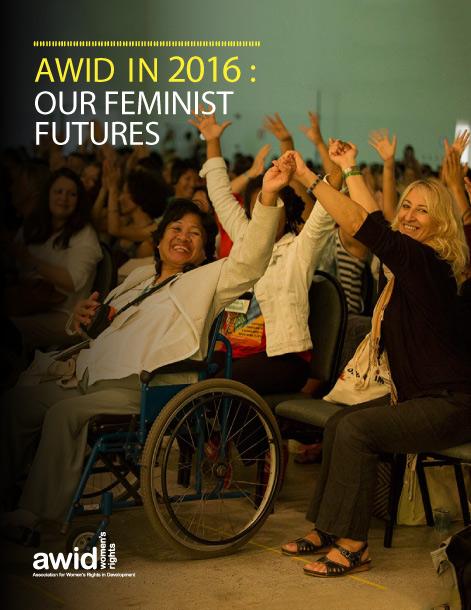
2016 was an incredible year for AWID, we convened the 13th International AWID Forum in Bahia, Brazil, a space for strategizing and alliance building with feminists and other justice movements, which was attended by over 1800 participants from 120 countries and territories across the globe.
We know that women’s rights and feminist movements are key actors in creating sustainable transformative change. Within our movements, organizing, resisting and responding to the challenging context is sharpening, and in our increasingly connected world, the potential for collective action across diverse movements has dramatically grown.
This is the crucial work that AWID seeks to amplify and support every day.
What we achieved in 2016
We expanded solidarity and joint action across diverse movements
A highlight of 2016 was our ground-breaking 13th International Forum with the theme: “Feminist Futures: Building Collective Power for Rights and Justice”, where we harnessed the thinking and energy of nearly 500 partners, presenters, panelists, moderators, artivists, writers, facilitators, IT innovators, and performers, many of them leaders in their movements. We also supported the convening of the first and historical Black Feminisms Forum (BFF) organised by a working group of Black Feminists from across the world.
We strengthened knowledge of issues and strategies
On feminist economies - we released ‘Feminist Propositions for a Just Economy’ with the Center for Women’s Global Leadership (CWGL) and the African Women’s Development and Communication Network FEMNET.
AWID, in partnership with other feminist and women’s rights organisations, engaged in advocacy and dialogue to explore better solutions for women’s rights agendas including our work with the Count Me In! consortium .
We increased the visibility of movements
The experiences of women with disabilities, Black and Afro-descendant women, sex workers, Indigenous women, trans and intersex people, domestic workers and how their lives are impacted by multiple oppressions and violence were placed front and center of the Forum process.
We also launched the 2016 WHRD Tribute to commemorate defenders who are no longer with us, during the 16 Days of activism, and thanks to the contributions from our members,
We drove attention to groups and issues that do not usually receive adequate mainstream media coverage through our partnership with The Guardian and Mama Cash.
¡El Foro AWID es el mayor evento del mundo que centra su atención en los movimientos feministas y por la justicia de género en toda su diversidad! Es un espacio transformador creado por y para los movimientos, donde lxs feministas del Sur Global y las comunidades históricamente marginadas ocupan un lugar central, elaboran estrategias para cambiar el poder y se conectan con movimientos aliados, financiadorxs y creadorxs de políticas. Así pues, compartimos con el corazón lleno y ardiente que...
El 15º Foro Internacional de AWID será del 2 al 5 de diciembre de 2024 en Bangkok (Tailandia)!
Esperamos reunir a 2.500 participantes presenciales y 3.000 participantes en línea/híbridxs.
Cuando miles de feministas se unen, creamos una fuerza arrolladora de solidaridad que tiene el poder de cambiar el mundo. Estamos entusiasmadxs, y sabemos que tú también, así que permanece atentx para conocer más detalles, incluida la inscripción y nuestros planes para un programa lleno de magia feminista.
Snippet - CSW69 spaces to watch out for - FR
Les espaces de la CSW69 sur lesquels garder un œil
Apprenez-en davantage sur les prochains événements CSW69 co-organisés par l'AWID ci-dessous
Film club - swana
Vous pouvez désormais consulter le programme du Club de cinéma féministe de l’AWID « Les incarnations féministes d’espoir et de pouvoir » - une série de films sur les réalités féministes de la région SWANA (Asie du Sud-Ouest et Afrique du Nord) sélectionnés par Esra Ozban.
جوريما آراوْخو، معلّمة وشاعرة من ريو دي جانيرو. ساهمت في مجلة Urbana التي حرّرها الشاعران برازيل باريتو وسامارال، وفي كتاب Amor e outras revoluções “الحب والثورات الأخرى” مع العديد من الكتّاب الآخرين. بالتعاون مع أنجليكا فيراريس وفابيانا بيريرا، شاركت في تحرير O livro negro dos sentidos “الكتاب الأسود للحواس”، وهو مختارات إبداعية عن الحياة الجنسية للمرأة السوداء في البرازيل. جوريما عمرها 54 سنة. لديها ابنة وثلاثة كلاب وقطة والعديد من الأصدقاء.
مَن يودّ المصّ معي؟
المانغو هي الثمرة المفضّلة عندي.
أفتح ثغري وأمصّها كلّها،
ويعلق لبّها بين أسناني
وأسناني تنعم كي لا تؤذيها.
أضعها بين لساني وسقف حلقي وأضغط عليها
ثم أُخرجها وأمصّ كلَّ شبرٍ منها،
وعصيرُها يسيلُ في فمي وحوله
وأنا أتبلّل وأغرق في رحيقها الساحر.
وأعود وأدخلها كلّها في ثغري،
لأنّ المانغو هي البَذْرَة والعسل
وهي العِرْق والنَكهة.
ولمّا ينتهي الأمر، أجد نفسي منتشية
مُندّية بالرحيق مُحلاة وشفتاي مبلولتان.
المانغو خُلِقَت لمتعة المرغ.
تقديم كتاب الحواس الأسود The Black Book of Senses
يومَ دعتني أنجليكا وفابي لأكون القَيِّمة على تشكيلة نصوص شبقية من تحرير نسوة سود لم أكن أعرف ما يعنيه عملُ القيِّم. الشبق ومشتقاته، هذه فهمتها جيداً، لكن عمل القَيِّم... ابتسمت تحت وطأة الخجل والإطراء. أظن أنّي شكرتهما، على الأقلّ آمل أنّي شكرتهما، وقلت في ذاتي: ماذا تعني هذه الكلمة اللعينة؟! حسناً، سأضطر إلى سَبر معاني هذا اللقب المُبهرَج وأنا أطبّقه.
اليوم، أنا على دراية بما يعينه عمل القيِّم. هو بمثابة ممارسة الحبّ مع نصوص شخصٍ آخر، مع فنّ شخصٍ آخر، بغية تجميع كتاب وتنظيمه. وهذا تماماً ما قمت به. عرّيت بشهوانية أدبية كلّ نصّ لكلٍّ من الكاتبات. تعمّقت في كلمات وحواس الآخرين. ولَجَتني قصائدُ لم أكتبها. حكايات ما كنت لأجرؤ على تخيّلها قلبتني رأساً على عقب وأربكت مشاعري وعبثت بشهوتي الجنسية. وكانت نشوةٌ رائعة وفريدة: سماويّة وجسمانيّة وسامية في آنٍ واحد، فكريّة وحسّيّة.
تنبض هذه النصوص كالبظر المنتصب رغبةً، رطبةٌ، ينسال منها الفرح مع كلّ قراءة. كلمات ابتلعتني بإيحاءتها اللعوبة، تأخذني أعمق فأعمق في هذا العالم الرّطب.
غطست هذه النسوة السود إلى قعرِ هَيْجِهنّ وحوّلن أعمق تخيّلاتهنّ الشبقيّة إلى فنٍّ.
أُخْصِبَت هذه الأعمال بأسلوبِ كلٍّ من الكاتبات الخاصّ في التجربة الجنسانية، بحريّة، بسوداوية، بأنفسنا، بطريقتنا الخاصّة، بتمكّن.
اخترت أن أوزّع هذه النصوص في مختلف أجزاء الكتاب ونظّمتها بحسب محتواها الأكثر رقّة أو انفعالية أو بديهية أو ضمنيّة.
استهلالاً لهذا «اللبّ الأسود المفترج»، تأتي أقسام ’التمهيدات‘ (Preliminaries) بنصوصها التي تقدّم لمحةً للقرّاء عن عالم الأطايب هذا، وهي بمثابة لمسَة شاملة رقيقة تُعرِّف بالمواضيع التي تطرحها النصوص في باقي الكتاب.
يلي ذلك لهيبُ ’اللمس‘ (Touch) وهو جزءٌ يُعنى بكلّ ما تشعر به البشرة. تلك الطاقة التي تحرق أو تُثلِج أجسادنا، التي تفجّر هُرموناتنا وتوقظ حواسنا الأخرى. صحيحٌ أنّ كثيرين بيننا يستمتعون بشهوة التلصُّص، لكنّ ملامسة البشرة بالفم الدافئ والرّطب مثيرٌ، وهو كالتطواف في نعومة الآخر. تُغرينا اللمسة اللطيفة أو الحازمة وتجتاحنا القشعريرة، وذلك التوتّر الجميل الذي يسري من العنق إلى الظهر ولا يختفي إلا اليومَ التالي. ودفء الشفاه والفم واللسان الرّطب على البشرة، آه من حلاوة لسانٍ ينساب داخل الأذن، أو احتكاك الجلد بالجلد، والملابس تتموّج على الجسد وكأنّها امتدادٌ لليدّ. ولمّا يكون التروّي جزءاً من المتعة، وتعصف بك الإثارة بفعل قبضة مُحْكَمة وبعضٍ من الألم – أو الكثير منه، من يدري؟
أمّا ’الصوت‘ (Sound) – أو اللحن؟ – فيبيّن لنا أنّ الانجذاب يحصل أيضاً عبر حاسّة السمع: صوت الشخص، الهمسات، الموسيقى التي تشعل التواصل بين جسدٍ وآخر وقد تمسي محورَ الرغبة. فبالنسبة لبعضٍ منّا، لا يتطلّب الأمر إلّا الأوتار الصوتية لشخصٍ ذي صوتٍ جميل، فذاك الصوت الأجشّ أو العميق أو الرخيم يكون كممارسة الجنس سمعياً. أن نسمع سِبابَهم الصارخ أو كلامهم المعسول همساً في الأذن يكفي لتجتاحنا قشعريرة الإثارة من الرأس إلى أخمص القدميْن.
في ’المذاق‘ (Flavor)، نأتي إلى اللسان وهو الخبير في استكشاف الخبايا يجول هائماً على جسد الآخر ويتلذّذ. وأحياناً يُقحَم اللسان قحماً لتذوُّق رحيق الآخر. فكرة أن يُشاركنا أحدٌ فراولته أو مانغته الشهيّة الملأى، بالعضّ واللحس، أو اللحس ثم العضّ، فكرةٌ كفيلة بإذابتنا. لكن لا شيء يعلو على حلاوة تذوُّق جسد الآخر بكهوفه وتلاله. إقحامُ اللسان في العمق لتذوُّق الثمرة، أو قضاءُ ساعاتٍ في تذوُّق رأس القضيب في الفم، أو رضعُ ثدي شهيّ لتذوُّق الحلمة... كلّها أفعال تسعى إلى حفظ ’مذاق‘ الآخر في الذاكرة.
نجد أيضاً نصوصاً تصف كيف تُستثار الرغبة عبر الأنف. ’الرائحة‘ (Smell)، أعزائي القرّاء، قد توقظ فينا شهوات الرغبة. أحياناً نلتقي شخصاً رائحته عبقة لدرجة أننا نودّ التهامه بأنفنا. يريد الأنف أن يجول في أنحاء الجسد ويبدأ من العنق وآهٍ من الرعشة الحلوة التي تصيبنا وتعرّي الروح! يقلّ حياء الأنف فيتعمَّق ويلفّ حول العنق ليلتقط عَبَق رائحة الآخر فيحفظها. وفي غياب هذا الشخص، إن إلتقط الأنف رائحة شبيهة يحضر الشخص في ذاكرتنا، أو إن استحضرته الذاكرة تجتاحنا الرائحة والإثارة.
نصل إلى ’النظر‘ (Look)، وهو برأيي غدّار الحواس، ومن خلاله ندرك الرغبة من وجهة «نظر». هنا النصوص تصف الرغبة والإثارة عبر حاسة النظر التي توقظ باقي الحواس. أحياناً، ابتسامةٌ تكفي لِنُصاب بالجنون. تبادُل النظرات؟ تلك النظرة التي تقول «أريدك الآن». نظرة التملّك تلك التي لا تنكسر إلا مع انتهاء المضاجعة، وقد تدوم بعدها. هذه نظرة فريدة من نوعها، تجذب الآخر فيعجز عن إشاحة نظره لوقتٍ طويل. والنظرات المُسترَقة حيث يشيح واحدٌ بنظره ما أن يلتفت إليه الآخر كأنّهما في مطاردة كالقط والفأر. وما أن تلتقي الأعين وينفضح أمرنا جُلّ ما يمكننا فعله هو أن تنفرج أساريرنا بابتسامة فاغرة.
ختاماً، يأتي الانفجار في جزء ’الحواس كافة‘ (All Senses) حيث النصوص تمزج المشاعر لتبدو كحالة تأهّب لنصل إلى اللذة القصوى، إلى النشوة.
طبعاً، لا شيء يفصل بوضوح بين هذه القصائد والحكايات. بعضها رقيقٌ بتلميحه. الإثارة تُشغِل الحواس كافّة، والأهمّ أنّها تُشغِل الرأس، فهُنا مقام كلّ ما يحدث والجسد بكامله يستجيب. لقد نظَّمتُ القصائد وفقاً لما أثارته فيّ عند قراءتها، ولكم الحريّة في مخالفة رأيي هذا. لكن بالنسبة لي، الرغبة تنبع من حاسّة معيّنة ومن ثم تنفجر، وثمّة لذّة في تتبّع مسار الرغبة وتحديد أيٍّ من الحواس استقلّت.
إنّ القدرة على تحويل الإثارة إلى فنّ تعني تحرير أنفسِنا من الأحكام المسبقة والسجون ووصمات العار كلّها التي حبَسَنا فيها هذا المجتمع المُتمَحوِر حول العرق الأبيض.
كلّما تقوم كاتبة سوداء بتحويل الشبقيّ إلى فنّ فهي تخلع السلاسل العنصرية المؤذية التي تشلّ جسدها وتقمع جنسانيتها وتجعل منّا غرضاً لجشع الآخرين. إنّ كتابة الشعر الشبقيّ هي استعادة لسلطتها على جسدها وهي التنقّل بلا خوف بين ملذّات الرغبة من أجل ذاتها ومن أجل الآخرين ومن أجل الحياة.
الكتابات الأدبية الشبقيّة هي نحن عندما نتّخذ الشكل الفنّي. الشكل الذي يتيح لنا إظهار أفضل ما لدينا وآرائنا في الحبّ الملأى لذّة والمتبّلة بشهوة أجسادنا والتي تُترجَم عبر وَعْينا الفنّي. نحن متنوّعات، وهنا نشارككم هذا التنوّع في الأحاسيس عبر الكلمات المُشبَعَة إثارة. صحيح، حتّى كلماتنا ترشَح برغبتنا الجنسية وترطّب آياتنا وتجعل من شهواتنا قصائدَ. النشوة، بالنسبة لنا، إنجاز.
أن تكون عقولنا وأجسادنا وجنسانياتنا سوداء هو أمرٌ ضروري لاستئناف لذّتنا واستعادة نشوتنا. عندها فحسب نصير أحراراً. هذه العملية برمّتها إنجازٌ وهي لا تخلو من الألم. لكنّه من المفرح أن نجد أنفسنا في مكان مختلف جداً عن حيث تمّ وضعنا.
أشعر أنّي لكنّ/لكم، أنّي لنا. تذوّقوا هذه الكلمات العذبة معنا، تلذّذوا بها، ولْتَكُن وليمة.
This journal edition in partnership with Kohl: a Journal for Body and Gender Research, will explore feminist solutions, proposals and realities for transforming our current world, our bodies and our sexualities.
نصدر النسخة هذه من المجلة بالشراكة مع «كحل: مجلة لأبحاث الجسد والجندر»، وسنستكشف عبرها الحلول والاقتراحات وأنواع الواقع النسوية لتغيير عالمنا الحالي وكذلك أجسادنا وجنسانياتنا.
Janet Benshoof était une avocate des droits humains oeuvrant aux États-Unis et défenseure de l’égalité des femmes et de leurs droits sexuels et reproductifs.
Elle a milité pour l’élargissement de l’accès à la contraception et à l’avortement dans le monde entier, et s’est battue contre des décisions anti-avortement dans le territoire américain de Guam. Arrêtée en 1990 pour son opposition à la loi anti-avortement la plus restrictive de son pays, elle a remporté une mise en demeure [MB1] au tribunal local à Guam qui a bloqué la loi, pour ensuite remporter l’affaire devant la Cour d’Appel de Ninth Circuit, décision qui devait supprimer définitivement celle-ci.
« Les femmes à Guam sont dans une situation absolument dramatique. Je n’ai nullement l’intention d’arrêter d’en parler », Janet Benshoof pour People Magazine
Janet a créé plusieurs précédents juridiques, dont l’approbation par l’US Food and Drug Administration de la contraception d’urgence, ainsi que l’application du droit international afin de garantir leurs droits aux victimes de viol lors des poursuites pour crimes de guerre de l’époque de Saddam Hussein, devant la Cour Suprême iraqienne.
Janet était présidente et fondatrice du Global Justice Center, ainsi que fondatrice du Center for Reproductive Rights, la première organisation internationale pour les droits humains, centrée sur le choix reproductif et l’égalité. Elle a siégé pendant 15 ans en tant que directrice du projet pour les droits reproductifs de l’American Civil Liberties Union, où elle a mené de nombreuses procédures juridiques qui ont contribué à façonner la loi constitutionnelle des États-Unis sur l’égalité de genre, la liberté d’expression et les droits reproductifs.
« Janet était connue pour son brillant esprit juridique, son sens de l’humour vif et son courage face à l’injustice », Anthony D. Romero.
Nommée l’une des « 100 avocat·e·s les plus influent·e·s d’Amérique » par le National Law Journal, Janet a reçu de nombreux prix et distinctions.
Née en mai 1947, Janet est décédée en décembre 2017.
In 2021, AWID, along with many other organizations, was coming to grips with the implications of the on-going global pandemic for how we work and our role in this particular time. The year taught us three critical lessons about navigating this moment as a global feminist movement-support organization.
Through dialogue and exchanges critical to their work, AWID connected thousands to feminists from around the world.
Our experience in 2021 reaffirmed the importance of building and sustaining a global feminist community, and AWID’s core mission to support feminist movements as a whole. We believe that at this moment, a strong community bound by a shared vision and collective care is the foundation of all social change and transformation.