
Griselda Tirado Evangelio
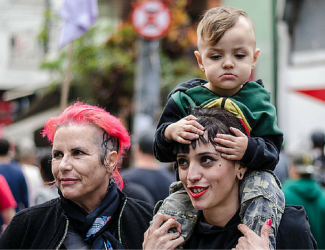
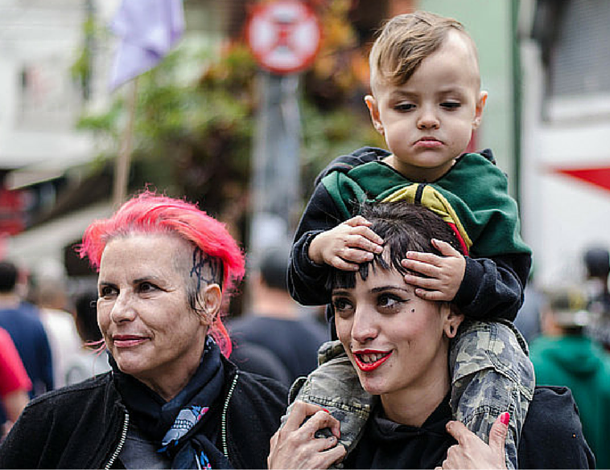
Over the past few years, a troubling new trend at the international human rights level is being observed, where discourses on ‘protecting the family’ are being employed to defend violations committed against family members, to bolster and justify impunity, and to restrict equal rights within and to family life.
The campaign to "Protect the Family" is driven by ultra-conservative efforts to impose "traditional" and patriarchal interpretations of the family, and to move rights out of the hands of family members and into the institution of ‘the family’.
Since 2014, a group of states have been operating as a bloc in human rights spaces under the name “Group of Friends of the Family”, and resolutions on “Protection of the Family” have been successfully passed every year since 2014.
This agenda has spread beyond the Human Rights Council. We have seen regressive language on “the family” being introduced at the Commission on the Status of Women, and attempts made to introduce it in negotiations on the Sustainable Development Goals.
AWID works with partners and allies to jointly resist “Protection of the Family” and other regressive agendas, and to uphold the universality of human rights.
In response to the increased influence of regressive actors in human rights spaces, AWID joined allies to form the Observatory on the Universality of Rights (OURs). OURs is a collaborative project that monitors, analyzes, and shares information on anti-rights initiatives like “Protection of the Family”.
Rights at Risk, the first OURs report, charts a map of the actors making up the global anti-rights lobby, identifies their key discourses and strategies, and the effect they are having on our human rights.
The report outlines “Protection of the Family” as an agenda that has fostered collaboration across a broad range of regressive actors at the UN. It describes it as: “a strategic framework that houses “multiple patriarchal and anti-rights positions, where the framework, in turn, aims to justify and institutionalize these positions.”
Pour renforcer notre voix et notre pouvoir collectifs en faveur de davantage de financement de meilleure qualité pour l’organisation des mouvements féministes, de défense des droits des femmes, des personnes LBTQI+ et des mouvements alliés dans le monde entier.
Events in Indonesia, in late 2019 - in particular, signs of intensifying militarization and backlash against LGBTQ rights - led us to question AWID’s ability to maintain a reasonably safe and welcoming environment for the diversity of participants we aspire to bring together at the Forum.
After careful consideration the AWID Board of Directors decided to change the venue for the 14th International AWID Forum, in November 2019 from Bali to Taipei.
Taipei offers a strong degree of logistical capacities, and is accessible for many travellers (with a facilitated e-visa process for international conferences).
For more details:
English article created from Spanish site
Women sustain Care | Care Sustains Life | Life Sustains Economy | Who takes care of women? | Not one less1 | Together | Sunday lunch
1Nenhuna a menos literally translates as “not one woman less” or “ni una menos” in Spanish - a famous feminist slogan in Latin America that emerged in Argentina as a response to increasing gender-based violence.
The global survey is a key pillar of the third iteration of our action-oriented research: “Where is the Money for Feminist Organizing?” (in short, Where is the Money or WITM). The results of the survey will be further elaborated and explored through in-depth conversations with activists and funders and cross-referenced with other existing analysis and research on the state of funding for feminists and gender equality globally.
The full “Where is the Money for Feminist Organizing” report will be published in 2026.
 To learn more how AWID has been shining a light on money for and against feminist movements check out the work of our Resourcing Feminist Movements Initiative here.
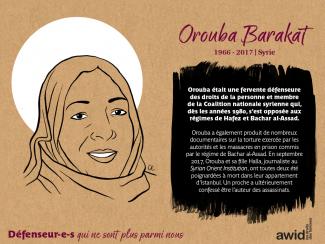
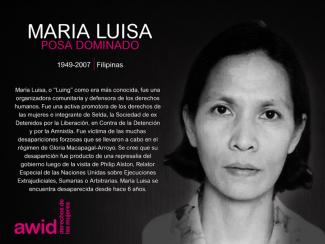
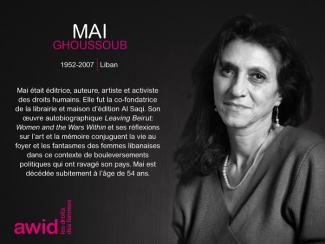
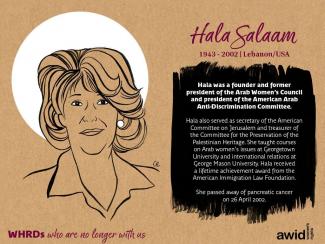
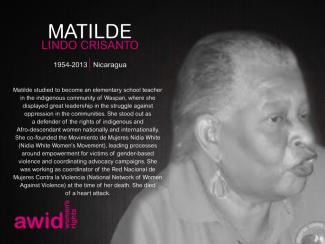
The data from our tribute indicate that Mexico is a particularly dangerous country for defenders. Out of the 12 Mexican Women Human Rights Defenders (WHRDs) we commemorate in this years’ Tribute, 11 were murdered. They were journalists, women’s rights advocates, trans* rights and social activists. Join us in remembering and honoring these WHRDs, their work and legacy by sharing the memes below and tweeting by using the hashtags #WHRDTribute and #16Days.
Please click on each image below to see a larger version and download as a file


En nuestro Tributo Virtual 2015 a las defensoras de derechos humanos que ya no están con nosotros/as recordamos a cuatro mujeres del África subsahariana, tres de las cuales fueron asesinadas por el trabajo que realizaban y/o por su identidad de género y orientación sexual. Sus muertes ponen en evidencia la violencia que suelen enfrentar las personas LGBT en la región y en el mundo. Únete a AWID para honrar a estas defensoras de derechos humanos, su trabajo y su legado, compartiendo los memes aquí incluidos con tus colegas, amistades y redes; y tuiteando las etiquetas #WHRDTribute y #16Días.
Por favor, haz click en cada imagen de abajo para ver una versión más grande y para descargar como un archivo.


Vivimos en un mundo donde la destrucción de la naturaleza alimenta nuestra economía global actual. |
Incluso en tiempos de crisis climática, los gobiernos continúan alentando el crecimiento de las industrias agrícolas a gran escala. Estas actividades envenenan la tierra, amenazan la biodiversidad y destruyen la producción de alimentos y los medios de vida locales. Mientras tanto, aunque las mujeres producen la mayoría de nuestros alimentos en el mundo, casi no poseen tierra. |
|
¿Qué pasaría si percibiéramos la tierra y la Naturaleza no como una propiedad privada para ser explotada, sino como una totalidad con la cual aprender y coexistir en armonía? ¿Y si repararíamos nuestras relaciones con la tierra y adoptaríamos alternativas más sostenibles que nutran tanto al planeta como a sus comunidades? Nous Sommes la Solution (Somos la Solución, NSS) es uno de los muchos movimientos liderados por mujeres que se esfuerzan por lograr este objetivo. Esta es su historia. |
|
No, we are asking for just one completed survey per group.