None On Record

Special Focus

AWID is an international, feminist, membership organisation committed to achieving gender equality, sustainable development and women’s human rights

Young Feminist Activism

Organizing creatively, facing an increasing threat

Young feminist activists play a critical role in women’s rights organizations and movements worldwide by bringing up new issues that feminists face today. Their strength, creativity and adaptability are vital to the sustainability of feminist organizing.

At the same time, they face specific impediments to their activism such as limited access to funding and support, lack of capacity-building opportunities, and a significant increase of attacks on young women human rights defenders. This creates a lack of visibility that makes more difficult their inclusion and effective participation within women’s rights movements.

A multigenerational approach

AWID’s young feminist activism program was created to make sure the voices of young women are heard and reflected in feminist discourse. We want to ensure that young feminists have better access to funding, capacity-building opportunities and international processes. In addition to supporting young feminists directly, we are also working with women’s rights activists of all ages on practical models and strategies for effective multigenerational organizing.

Our Actions

We want young feminist activists to play a role in decision-making affecting their rights by:

  • Fostering community and sharing information through the Young Feminist Wire. Recognizing the importance of online media for the work of young feminists, our team launched the Young Feminist Wire in May 2010 to share information, build capacity through online webinars and e-discussions, and encourage community building.

  • Researching and building knowledge on young feminist activism, to increase the visibility and impact of young feminist activism within and across women’s rights movements and other key actors such as donors.

  • Promoting more effective multigenerational organizing, exploring better ways to work together.

  • Supporting young feminists to engage in global development processes such as those within the United Nations

  • Collaboration across all of AWID’s priority areas, including the Forum, to ensure young feminists’ key contributions, perspectives, needs and activism are reflected in debates, policies and programs affecting them.

Related Content

Fadila M.

Fadila M. fue una activista tribal soulaliyate de Azrú, en la región Ifrane de  Marruecos. Luchó contra una forma específica de discriminación territorial dirigida a  las mujeres tribales.

Como parte del Movimiento de Mujeres Soulaliyate por el Derecho a la Tierra, trabajó para reformar el marco legislativo relacionado con la administración de la propiedad comunitaria, a través de la adopción, en 2019, de tres proyectos de ley que garantizan la igualdad de mujeres y varones.

Según las leyes consuetudinarias vigentes, las mujeres no tenían derecho a beneficiarse de la tierra, en especial aquellas que eran solteras, viudas o divorciadas. En Marruecos, los derechos a las tierras colectivas eran transmitidos tradicionalmente entre los varones de la familia mayores de 16 años. Desde 2007, Fadila M. ha sido parte del movimiento de mujeres, la primera movilización nacional de base por los derechos a la tierra. Una de sus conquistas ha sido que, en 2012, las mujeres soulaliyate pudieron registrarse por primera vez en las listas de beneficiarixs, y recibir compensaciones relacionadas con la cesión de tierras. El movimiento también logró la enmienda del dahir (decreto del Rey de Marruecos) de 1919, para garantizar el derecho a la igualdad de las mujeres.

Fadila M. falleció el 27 de septiembre de 2018. Las circunstancias de su muerte no son claras. Participó en una marcha de protesta relacionada con el tema de las tierras colectivas y, si bien las autoridades informaron que su muerte fue accidental y que tuvo un paro cardíaco camino al hospital, la sección local de la Asociación de Derechos Humanos de Marruecos (AMDH) señaló que Fadila fue sofocada por un miembro de la fuerza policial utilizando una bandera marroquí. Su familia solicitó una investigación, pero los resultados de la autopsia no fueron dados a conocer.

Más información sobre el Movimiento de Mujeres Soulaliyate por el Derecho a la Tierra (en inglés)


Nota: Como no ninguna fotografía/imagen de Fadila M. disponible, la obra de arte (en lugar de un retrato) pretende representar por lo que luchó y trabajó: la tierra y los derechos a vivir y tener acceso a esa tierra y lo que crece en ella.

Snippet - COP30 - Global Day of Action - FR

Journée mondiale de l’action

Manifestations mondiales des mouvements pour la justice climatique.

📅 Samedi 15 novembre 2025
📍 Lieux multiples

Plus d'infos ici

Site web en anglais

Présentez la candidature de féministes passionnant·es pour le Conseil d’administration de l’AWID

Chaque année, à l’AWID, nous visons à renouveler et enrichir les points de vue et expériences que reflète notre Conseil d’administration (CA) en accueillant d’autres membres.

Nous sommes actuellement à la recherche de personnes pour servir des mandats de trois ans au CA de l’AWID, à partir du début de l’année 2024. Il s’agit d’une occasion de contribuer à la gouvernance de notre organisation, et d’intégrer un groupe extraordinaire de féministes du monde entier.
 
Merci de nous aider à identifier avant le 10 août 2023 des candidatures de féministes à la fois réfléchi·es et engagé·es .

Transmettre la candidature

Merci de transférer également cette invitation aux candidat·es dans vos réseaux 

Qui recherchons-nous ?

Nous recherchons avant tout des candidat·es engagé·es en faveur de la mission de l’AWID, qui peuvent faire le lien entre les luttes locales et mondiales. Ces personnes seront également en mesure de nous aider à tirer, de manière intentionnelle, le meilleur parti du positionnement et des atouts de l’AWID dans un contexte en constante évolution. Les candidat·es doivent être disposé·es à assumer les fonctions et endosser les responsabilités juridiques du CA de l’AWID, dans l’intérêt supérieur de l’organisation.

Il s’agit d’une fonction bénévole, qui nécessite une implication et un engagement tout au long de l’année. Il est attendu des membres du CA une participation à 10 à 15 journées de réunion par an minimum, en personne ou en ligne, et qu’elles et ils contribuent de leur temps et leur expertise, selon les besoins du CA.
 
Nous souhaitons que le CA reflète la diversité des mouvements féministes du monde entier, tant en matière d’identités que de géographies, de contextes et d’affiliations. Nous recherchons, en outre, des membres du CA ayant de l’expérience dans l’un des domaines de travail de l’AWID.
 

Nous invitons vivement tous les candidats à postuler. Nous étudierons toutes les candidatures reçues, mais compte tenu de la composition du CA actuel, nous accorderons la priorité à :

des candidatures démontrant une solide expérience dans les domaines suivants :

  • droits et justice des personnes en situation de handicap
  • Les droits LGBTQI+, et en particulier les mouvements de droits trans

des candidatures des régions suivantes :

  • Amérique du Sud
  • Caraïbe

Ce que le Conseil d’administration apporte à l’AWID

Le Conseil d’administration joue un rôle déterminant au niveau de la définition de l’orientation stratégique de l’AWID et du soutien à l’organisation dans l’accomplissement de sa mission, en cohérence avec le monde dans lequel nous vivons et les besoins de nos mouvements.
 
Les membres du CA contribuent au fonctionnement de l’organisation de diverses manières : en apportant une expérience d’autres espaces, des perspectives de divers mouvements féministes et un savoir-faire conséquent dans des domaines pertinents alignés sur la stratégie de l’AWID.
 
Les candidates élues et candidats élus rejoindront le CA de l’AWID en 2024 et nous accompagneront tout au long du tant attendu Forum international de l’AWID et de la mise en œuvre de notre plan stratégique.

Connaissez-vous quelqu’un qui corresponde à ce profil ?

Transmettre la candidature

(Vous pouvez déposer votre candidature ou celle d’une autre personne, avec son consentement.)

Merci de partager également cette invitation à candidatures au sein de vos réseaux !

Si tout le monde peut proposer une candidature au Conseil d’administration de l’AWID, le vote, quant à lui, est réservé aux membres de l’AWID. Adhérez dès aujourd’hui !

D’avance, merci de votre aide à trouver les membres [MB2] extraordinaires de notre prochain Conseil d’administration, qui soutiendront l’AWID lors des étapes à venir !

CFA 2023 - Online and Hybrid - FR

Nouveau

En ligne et hybride

En tant que participant.e en ligne, vous pouvez animer des sessions, vous connecter et converser avec d'autres, et faire l'expérience directe de la créativité, de l'art et de la célébration du Forum de l'AWID. Les participant.e.s connecté.e.s en ligne bénéficieront d'un programme riche et varié, allant des ateliers et des discussions aux séances de guérison et aux spectacles musicaux. Certaines activités seront axées sur la connexion entre les participant.e.s en ligne, tandis que d'autres seront véritablement hybrides, se concentrant sur la connexion et l'interaction entre les participant.e.s en ligne et celles.ceux qui se trouvent à Bangkok.

Snippet Kohl - Intro

Incarnations transnationales

Les féministes affirment depuis longtemps que le privé et le personnel sont politiques. Le festival Crear, Résister, Transform a créé des espaces de discussion permettant aux féministes d'aborder les questions relatives au corps, au genre et aux sexualités, et a exploré les interconnexions entre ces questions qui sont à la fois des expériences profondément incarnées et un terrain où les droits sont constamment contestés et menacés dans la société.

Le pouvoir des mouvements féministes repose sur la façon dont nous organisons et menons des actions coordonnées, non seulement au sein de nos propres communautés et mouvements, mais aussi pour des causes et aux côtés de groupes alliés œuvrant en défense de la justice sociale. Cet espace a permis aux mouvements de partager et de renforcer mutuellement leurs stratégies d'organisation et leurs tactiques.

La pandémie sanitaire mondiale liée au COVID-19 a mis en évidence les échecs du capitalisme néolibéral comme jamais auparavant, révélé les fissures de nos systèmes ainsi que souligné la nécessité et les possibilités de forger de nouvelles réalités. La reprise économique et sociale féministe doit être le fruit de notre travail commun à toustes. Cette édition du journal, en partenariat avec Kohl : a Journal for Body and Gender Research (Kohl : une revue pour la recherche sur le corps et le genre) explorera les solutions, propositions et réalités féministes afin de transformer notre monde actuel, nos corps et nos sexualités.

Vous pouvez explorer les articles en ligne ou
Télécharger le PDF

Rosa Candida Mayorga Muñoz

Rosa Candida Mayorga Muñoz était une travailleuse sociale, leader syndicale et défenseure des droits humains du Guatemala. On la surnommait affectueusement Rosita. 

Dans les années 1980, Rosa devient la première femme à siéger au comité exécutif du syndicat de l’Institut d’électrification nationale (STINDE), syndicat qu’elle avait rejoint en premier lieu pour défendre les droits des femmes au travail. Cela signifiait, à ses yeux, de lutter pour l’égalité des chances dans une entreprise où de nombreuses femmes affrontaient un système discriminatoire et violent mis en place par la direction de l’entreprise. Rosa avait également subi du harcèlement sexuel sur son lieu de travail, tant de la part de collègues que de responsables. Elle n’entendait cependant pas rester silencieuse. 

Rosa a continué à se battre et fait partie des efforts pour façonner la lutte afin qu’elle prenne la forme du « Pacte collectif pour les conditions de travail du INDE-STINDE ». Ce pacte était le premier du genre et le premier au Guatemala à caractériser le concept de harcèlement (sexuel). Il fait désormais référence dans la loi guatémaltèque pour les questions de travail, et sert d’encouragement aux autres syndicats.

« Elle n’avait d’autres outils pour se battre que ses propres idéaux... Elle a été intimidée à plusieurs reprises, harcelée pour abandonner la lutte, mais son courage a fait naître l’espoir chez les syndicalistes de la base. Rosita a créé une image de respect non seulement au sein de son syndicat mais également face aux autorités de l’institution et au sein du mouvement des femmes. Elle a été reconnue comme une pionnière du mouvement des femmes du syndicat, dans un espace qui avait davantage été dominé par les hommes. » - Maritza Velasquez, ATRAHDOM

Rosa est décédée le 4 avril 2018, elle avait 77 ans.

Snippet - COP30 - Feminist Demands Title

Feminist Demands for COP30

Clone of Acerca del Foro Internacional de AWID

Más que un evento

El Foro Internacional de AWID es un verdadero espacio de encuentro mundial que brinda, a quienes participan, la oportunidad de tejer redes, alianzas, de celebrar y aprender en una atmósfera estimulante, emotiva y segura.

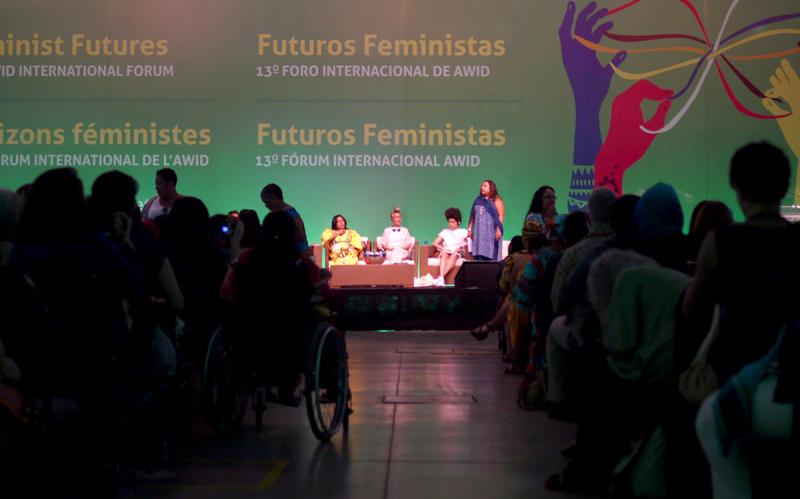
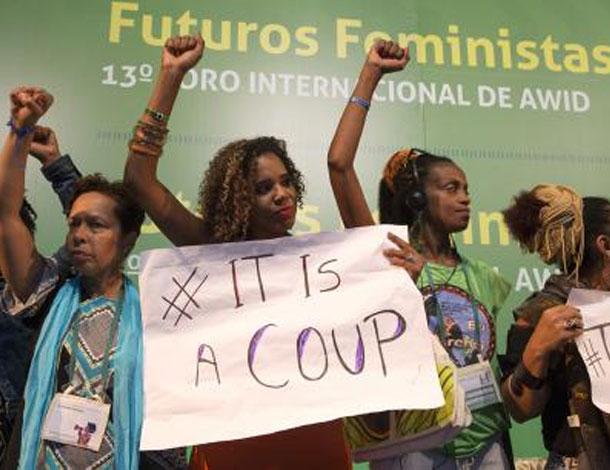
Foro internacional de AWID, en Costa de Sauipe, Brasil, 2016

Como proceso, el Foro abarca mucho más que el momento en que nos reunimos. Durante todo el año estamos trabajando con organizaciones y grupos, profundizando nuestras relaciones con ellas, vinculándonos con movimientos locales para entender mejor sus problemas y crear soluciones juntxs. 

Como evento, el Foro tiene lugar cada tres o cuatro años en una región diferente del mundo y cristaliza todas las alianzas que hemos venido construyendo como parte de nuestro trabajo.

El Foro de AWID disuelve nuestros límites internos y externos, alberga discusiones en profundidad, colabora con el crecimiento personal y profesional, y fortalece a los movimientos por los derechos de las mujeres y la justicia de género.

El Foro responde a la urgencia de promover una participación y acción más sólidas y coordinadas por parte de lxs feministas, defensorxs de los derechos de las mujeres y de la justicia social, sus organizaciones y movimientos. También creemos que el Foro es más que un evento, ya que puede facilitar procesos que influyen en las ideas y las agendas de los movimientos feministas y de otros actores con quienes nos vinculamos.

El Foro pasó de ser una conferencia nacional con 800 participantes a un encuentro que reúne alrededor de 2000 feministas, líderes comunitarixs, activistas por la justicia social y agencias de financiamiento de todo el mundo. 

El próximo Foro de AWID tendrá lugar del 11 al 14 de enero de 2021 en Taipéi, Taiwán.

Descubre más


Foros anteriores

2016 - Futuros feministas: Construyendo poder colectivo por los derechos y la justicia (Costa de Sauipe, Brasil)

Participantes al Foro de los feminismos negros, en Brasil, 2016

Dado el complejo mundo que enfrentamos hoy, el Foro de AWID 2016 no se centró en un ‘tema’ en particular, sino en la creación de formas más efectivas de trabajar juntxs.

Pese a las dificultades del contexto en el que se celebró este Foro (la epidemia del virus del Zika, una huelga de lxs trabajadorxs del servicio exterior brasileño, el juicio político a la presidenta Dilma Rousseff y la crisis que le siguió), se logró congregar a más de 1800 participantes de 120 países y territorios de todas las regiones del mundo. 

Lo que sucedió en el 13º Foro internacional de AWID:

  • Para el 96% de lxs participantes que respondieron a la encuesta de evaluación posterior al Foro, el evento fue una importante fuente de inspiración y energía.

  • El 98% de lxs participantes lo consideraron un importante espacio de convocatoria para los movimientos feministas, y manifestaron su esperanza de que AWID continúe organizado estos foros.

  • El 59% de quienes respondieron a la encuesta de evaluación del Foro declaró estar muy satisfechx con el Foro y el 34% algo satisfechx.

  • Se realizaron más de 150 sesiones en distintos formatos sobre diversos temas, desde la integridad y la libertad corporal, pasando por la violencia de género en el ámbito laboral, hasta estrategias de construcción de poder colectivo.

  • El primer Foro de Feminismos Negros, se celebró justo antes del Foro de AWID, y  reunió a 250 feministas negrxs de todo el mundo, para crear colectivamente un espacio de poder desde donde construir y fortalecer las conexiones intergeneracionales y transnacionales.

Aquí puedes leer más sobre lo que logró el Foro de AWID 2016:

Descargar el informe de evaluación del foro


2012: Transformando el Poder Económico para Avanzar los Derechos de las Mujeres y la Justicia (Estambul, Turquía)

Foro Internacional AWID, Ciudad del Cabo, Sudáfrica, 2008

El 12° Foro de AWID se llevó a cabo en el año 2012 en Estambul, Turquía, bajo el título “Transformando el Poder Económico para Avanzar los Derechos de las Mujeres y la Justicia”. El Foro 2012 fue el más grande y diverso que hemos organizado hasta la fecha, con la participación de 2239 activistas por los derechos de las mujeres, de 141 países. El 65% provenía del sur global y casi el 15% eran mujeres jóvenes menores de 30 años, mientras que el 75% de las personas asistían a un Foro de AWID por primera vez.

El programa del Foro se enfocó en la transformación del poder económico para promover los derechos de las mujeres y la justicia. Se ofrecieron más de 170 sesiones de lo más diversas, incluyendo las sesiones de la caja de herramientas económicas feministas para forjar habilidades, sesiones interactivas que representaron los 10 temas del Foro, discusiones en profundidad y las mesas redondas de solidaridad. 

Aprovechando el impulso del Foro, hemos transformado la página web en un centro de recursos y aprendizaje que se basa en el contenido generado por las participantes mediante recursos multimedia sobre todos los componentes del Foro. 

Visita el archivo web del Foro 2012


Todos los Foros 

  • 2016: Futuros feministas: Construyendo poder colectivo por los derechos y la justicia (Costa de Sauipe, Brasil). Lea el resumen del Informe de evaluación del Foro 2016
  • 2012: Transformando el Poder Económico para Avanzar los Derechos de las Mujeres y la Justicia (Estambul, Turquía)
  • 2008: El Poder de los Movimientos (Ciudad del Cabo). Lea nuestro Informe del Foro 2008
  • 2005: ¿Cómo sucede el cambio? (Bangkok)
  • 2002: Reinventando la Globalización (Guadalajara)
  • 1999: Al Frente de las Soluciones para la Igualdad y la Justicia (EEUU)
  • 1996: Más allá de Beijing: De la palabra a la acción (EEUU)
  • 1993: Uniendo las Fuerzas para Promover las Visiones Compartidas (EEUU)
  • 1991: Trabajando Juntas/ Aprendiendo Juntas: Un diálogo norte-sur (EEUU)
  • 1989/1990: Em-poderamiento Global para las Mujeres (EEUU)
  • 1987: Pasos adelante: Innovación en las políticas, acciones e investigación en torno al Desarrollo (EEUU)
  • 1985: Mujeres desarrollando riqueza; transformando el desarrollo económico (EEUU)
  • 1983: ‘Mujeres y Desarrollo’ (Washington D.C, EEUU)

CFA 2023 - Themes - FR

Les thèmes

Nous acceptons les candidatures dans toute la gamme des domaines thématiques et des intersections importantes pour les mouvements féministes et de justice de genre. Dans le formulaire de candidature, vous pourrez cocher plus d'un thème correspondant à votre activité/atelier.

  • Corps libres, esprits libres : tout ce qui concerne l'autonomie corporelle, le genre et la sexualité, la santé et les droits reproductifs, la liberté face à la violence basée sur le genre, la liberté de vivre en sécurité, le plaisir et la joie dans nos divers corps, identités et communautés, et bien d'autres choses encore.
  • Résister aux antidroits : localement et globalement, les féministes montrent la voie en résistant à toutes les formes d'oppressions intersectionnelles, y compris les fascismes, les fondamentalismes et les régimes autoritaires; nous avons beaucoup à partager et à élaborer des stratégies les un.e.s avec les autres.
  • Mouvements et organisation : apprenons à connaître nos mouvements respectifs. De la navigation du pouvoir (interne et externe) aux stratégies de protection face à la répression des femmes et des défenseuses.eurs des droits humains et de genre, de la construction d'alliances aux formes créatives et réussies d'organisation, apprenons et inspirons-nous les un.e.s des autres.
  • Justice économique et économies féministes : ce thème englobe tous les efforts féministes visant à transformer nos économies, depuis la remise en question des modèles extractifs dominants et la défense des droits des travailleuses.eurs jusqu'à l'incarnation et la mise en œuvre de pratiques et d'alternatives économiques féministes dans la vie de tous les jours.
  • Financement/ressourcement de l'activisme : l'obtention des financements nécessaires est un défi commun pour les mouvements du monde entier. Décortiquons ensemble l'écosystème du financement féministe, de l'analyse critique aux expériences de première main et aux moyens pratiques de financer le travail féministe.
  • Climat, justice environnementale, terre et eau : la justice écologique et climatique a des racines profondes dans beaucoup de nos mouvements et communautés; des traditions anciennes aux visions futuristes, des villages écologiques aux campagnes pour mettre fin à l'extractivisme et à la justice en matière de santé, nous invitons à un éventail complet d'activités sur tous les aspects de la justice climatique et environnementale.
  • Militarisation, guerre et conflit : nous souhaitons mettre en lumière l'organisation, l'analyse et les expériences féministes souvent en première ligne de la réponse aux crises et de l'aide au maintien de la viabilité, de la communauté et de la justice dans les moments les plus durs de la guerre et des conflits prolongés.
  • Décolonisation : la décolonisation est au cœur de chacun de nos thèmes, mais elle constitue également un programme féministe clé de résistance et de construction du monde dans de nombreuses réalités coloniales et postcoloniales.
  • Réalités numériques et technologies féministes : nous nous réjouissons de pouvoir célébrer les incroyables initiatives féministes qui transforment les mondes numériques, remettent en question les structures de pouvoir des grandes entreprises technologiques et démocratisent la technologie comme étant véritablement par et pour les individus.
  • Justice curative : il existe une incroyable diversité d'approches en matière de soins collectifs et de justice curative. Dans le monde entier, les professionnels.elles du soin et les mouvements se réapproprient la justice curative comme un principe politique, un ensemble de pratiques, un parcours d'apprentissage, un mode de vie, et bien d'autres choses encore.
  • Ajoutez votre thème ici!

Sexting Like a Feminist: Humor in the Digital Feminist Revolution Snippet Small

Sextoter comme une féministe : humour et révolution féministe numérique

by Chinelo Onwualu

Le 2 septembre 2021, les géniales féministes et activistes pour la justice sociale du festival de l’AWID Crear | Résister | Transform se sont retrouvées, non seulement pour mettre en commun leurs stratégies de résistance, cocréer et transformer le monde, mais également pour parler crûment sur Twitter.


Lire plus


Esther Mwikali

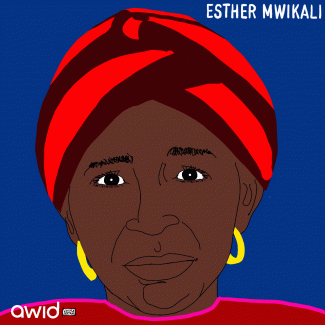
Esther Mwikali’s home was in Mithini village, Murang’a County, Kenya. A prominent and valued land rights activist, she looked into abuses against squatters who are living on land claimed by tycoons. The investigation Esther was part of also involved land rights’ violations in Makuyu by powerful individuals.

After failing to attend a village meeting, a search party went looking for Esther. On 27 August 2019, two days after her disappearance, her body was found on a farm near her homestead, displaying signs of torture. She was brutally murdered. 

“Esther was renowned for her work to prevent community members being evicted from land claimed by tycoons. Local activists had no doubt her murder was related to the area’s ongoing land struggles, a tragic reminder of the alarming regularity with which extra-judicial killings are routinely carried out in Kenya,” - Global Witness Report, July 2020

“We associate Mwikali’s death with land struggles around here. We are asking the Government to investigate the matter without delay.” - James Mburu, spokesperson for the squatters

“Action should be taken on individuals who are alleged to have threatened the squatters including Mwikali's family.” - Alice Karanja, National Coalition of Human Rights Defenders

“The impact of her work and tenacity will remain alive in Kenya for decades. CJGEA consoles with the bereaved and it calls for justice.” - Center for Justice and Governmental Action (CJGEA) Press Release, 13 September 2019

Snippet - COP30 - Partner intro - EN

This campaign is held by 8 partner organizations across continents, building feminist alternatives to the climate crisis, ecocides and genocides.

Promotion des droits universels et de la justice

Eradiquer les fascismes et les fondamentalismes

Partout sur la planète, les défenseur·e·s féministes, des droits des femmes et de la justice de genre remettent en question les programmes des acteurs fascistes et fondamentalistes. Ces forces opprimantes prennent pour cibles les femmes, les personnes non conformes dans leur identité de genre, leur expression et/ou orientation sexuelle, ainsi que d’autres communautés opprimées.


Les idéologies discriminatoires sapent et s’emparent de nos systèmes et normes en termes de droits humains de manière à ce que seuls certains groupes aient l’exclusivité des droits. Face à cela, l’initiative Promotion des droits universels et de la justice (Advancing Universal Rights and Justice, AURJ) s’attache à promouvoir l’universalité des droits - le principe fondamental selon lequel les droits humains sont le bien de chaque être humain, quelle que soit son identité, et ce sans exception.

Nous créons un espace pour permettre aux mouvements et à nos allié·e·s féministes, en faveur des droits humains et de la justice de genre de se reconnaître, d’élaborer des stratégies et de recourir à des actions collectives afin de contrecarrer l’influence et l’impact des acteurs anti-droits. Nous cherchons également à faire avancer les cadres, les normes et les propositions féministes et relatifs aux droits des femmes, ainsi qu’à protéger et promouvoir l’universalité des droits.  


Nos actions

A travers cette initiative, nous visons à :

  • Enrichir nos connaissances : Dans le cadre du rôle de premier plan que nous assurons sur la plateforme collaborative, l’Observatoire de l'universalité des droits (Observatory on the Universality of Rights, OURs), l’AWID soutient les mouvements féministes, en faveur des droits des femmes et de la justice de genre en diffusant et vulgarisant des connaissances et des messages clés concernant les acteurs anti-droits, leurs stratégies et leur impact au sein des organismes internationaux de protection des droits humains.

  • Promouvoir des programmes féministes : Nous faisons des alliances avec des partenaires au sein d’espaces internationaux dédiés aux droits humains, notamment le Conseil des droits de l’homme, la Commission de la population et du développement, la Commission de la condition de la femme et l’Assemblée générale de l’ONU.

  • Créer et élargir les alternatives : Nous impliquons nos membres afin de garantir que les engagements, les résolutions et les normes à l’échelle internationale sont reflétées et réintroduites dans l’organisation d’autres espaces à l’échelle locale, nationale et régionale.

  • Mobiliser des actions solidaires : Nous agissons aux côtés de défenseuses des droits humains (women human rights defenders, WHRD), y compris de défenseur·e·s trans et intersexes et de jeunes féministes, et oeuvrons à contester les fondamentalismes et les fascismes tout en attirant l’attention sur les situations à risque.   


Related Content

Understanding the Context of Anti-Rights Threats

Chapter 2

While fundamentalisms, fascisms and other systems of oppression shapeshift and find new tactics and strategies to consolidate power and influence, feminist movements continue to persevere and celebrate gains nationally and The rising power of anti-rights actors is not happening in a vacuum. Understanding the rise of ultra-nationalism, unchecked corporate power, growing repression, and diminishing civic space is key to contextualize the anti-rights threats we face today.

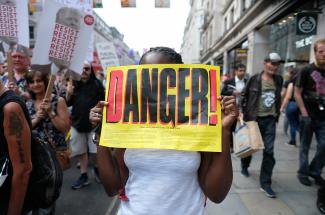
Protester holding a flyer that reads "Danger - Trump and the Far Right."
© Alisdare Hickson / Flickr
Danger - Trump and the Far Right.

Today, considerably more than half of the world’s population is governed by far-right leaders.  Against this backdrop, human rights defenders and feminists are working hard to “hold the line” and protect multilateralism and the international human rights system. They also face the risk that their engagement may bring with it violent reprisals. At the same time, these institutions are increasingly subject to private sector interests. Large businesses, particularly transnational corporations, are occupying seats at the negotiating table and leadership positions in a number of multilateral institutions, including the UN. This nexus of ultra-nationalism, closing civic space, and corporate capture is having a tremendous impact on whether human rights for all can ever be achieved. 

Table of Contents

  • Nationalism and Ultra-nationalism
  • Corporate Capture: Untamed Corporate Power is Putting Rights at Risk
  • Reprisals and Closing Civic Spaces for Feminist Activists, and LGBTIQ+ and Women Human Rights Defenders
  • Movement Resistance Story: CEDAW’s Article 16: A Pathway for Reformation of Discriminatory Family Laws in Muslim Contexts 
     

Read Full Chapter >

CFA 2023 - Hybrid like never before: in person - EN

Hybrid like never before

For the first time, the AWID Forum offers three modes of participation

In-person

Participants will come together in Bangkok, Thailand. We can’t wait!

الفرح للعالم: ستّة أسئلة مع نايكي ليدان

أجرت المقابلة تشينيلو أونوالو
ترجمة فيفيان عقيقي

Decorative Element


Naike Ledan Portrait

نايكي ليدان، مدافعة عن العدالة الاجتماعية وناشطة نسوية ملتزمة، تتمتع بـ 20 عامٍ من الخبرة في مجال الدفاع عن حقوق الإنسان والعدالة الصحية وتمكين المرأة، والنضال من أجل الوصول الشامل إلى الخدمات الأساسية والإدماج الاجتماعي، فضلاً عن بناء قدرات المجتمع المدني. قامت بعمل مكثف في كندا وغرب وجنوب إفريقيا وهايتي في مجال الدفاع عن الحقوق المدنية، وبناء القدرات لمنظمات المجتمع المدني، مع التأكيد على المحددات الاجتماعية للإقصاء الهيكلي. إنها تقدر مبادئ القيادة المشتركة والمساحات المعادية للاستعمار والقمع والأبوية.

Article Cover for A Joy to the World: Six Questions with Naike Ledan

السؤال الأوّل: تُعَدّين ناشطة في قضايا حقوق العابرين/ات جنسياً؛ أشعر بالفضول لمعرفة كيف عبّدتِ مسيرتك.

نشأتُ في هايتي حتّى بلغت سنّ الثامنة عشرة، ثمّ عشتُ في مونتريال لمدّة 19 عاماً. في العام 2016 عدتُ إلى هايتي معتقدة أنني سوف أعود إلى الوطن، لكن المكان تغيّر، وكان عليّ التكيّف مجدّداً. لم أُعِدْ ربط الصلات مع العائلة وأصدقاء الطفولة بالطريقة التي كنت أتوقّعها. عدت كمُغتربة مع ظروف عمل مريحة، وبقيت أشعر أنني غريبة لفترة طويلة جداً. لكن في الوقت نفسه، شعرت أنني في وطني بسبب اللغة، وحتى الصمت المألوف، وعدم اضطراري إلى تبرير غنائي لشارة إعلان تجارية – تعلمين... تلك الأمور التي نتشاركها، تلك الطاقة، تلك المساحة، وتلك الروح.

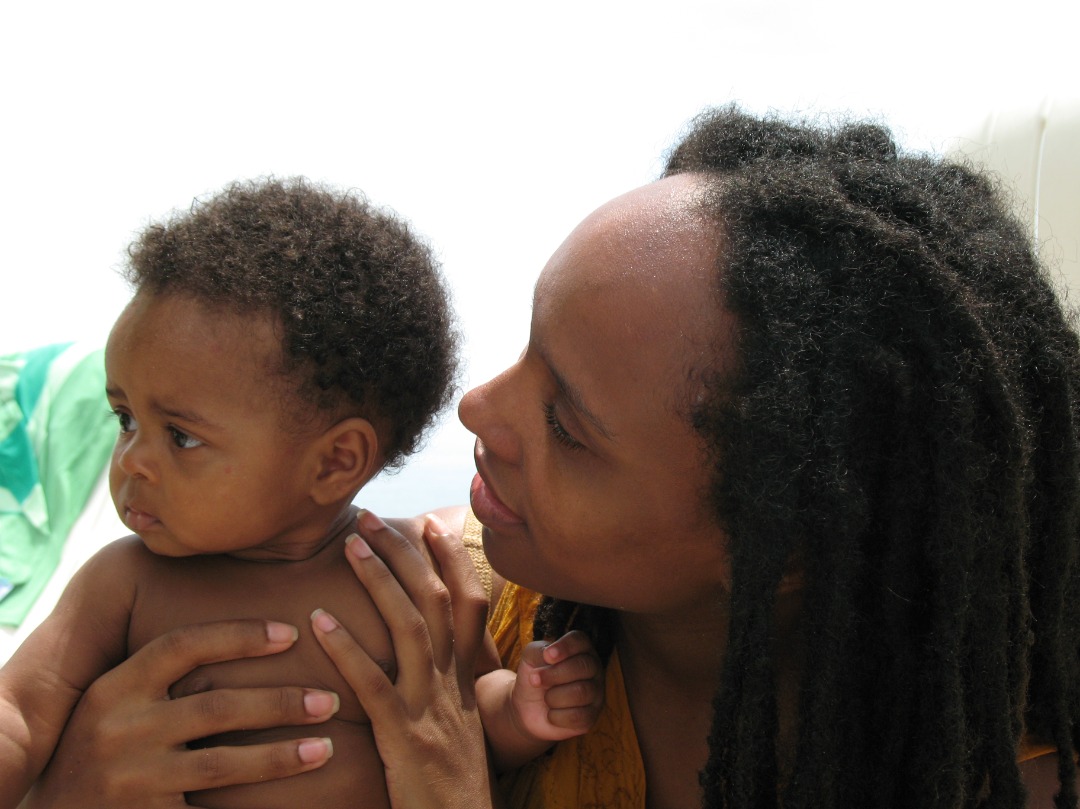
عودتي إلى حبّ الذات – أو ما أسمّيه "ولادة جديدة" – التي تتزامن مع ولادة طفلي الأوّل، وولادة نفسي، ووقوعي في حبّ حبيبتي الكويرية. (مصدر الصورة: نايكي ليدان)​​​​​​

 ما ساعدني في ذلك هو حبّي للعمل في كافة أنحاء البلاد، وتوثيق معارف الناس. لذلك تركت مساحتى المريحة، وأصبحت مديرة قطرية لمنظّمة إقليمية كويرية. تركَّز معظم عملي على إيجاد الموارد وبناء قدرات المجتمع المدني. بنيتُ استراتيجيتي على الذهاب إلى الريف، والبحث عن كلّ المنظّمات الصغيرة، والمساعدة في بناء قدراتها وتمويلها. لم أكن مُهتمّة بالسياسيين وبمصافحتهم والتقاط الصور معهم <ضحكة>. كان لديّ حليف رائع: شارلوت جودي، الناشط الكويري الذي قُتِل قبل ثلاث سنوات في منزله. تقرّبنا كثيراً بعد حظر مهرجان أفلام أفرو كويرية في هايتي كنا نخطّط له. أحدث المهرجان ضجّة كبيرة، وأثار نقاشات عن الكويرية في كلّ مكان، لذلك قدّمني شارلوت إلى منظّمات المجتمع المدني الصغيرة، المُنتشرة في كلّ ركن من البلاد. كان عليّ أن أكون هناك لمساعدة المنظّمة (المنظّمات)، على التسجيل بشكل قانوني أو بناء خطّتها الاستراتيجية. جعلتني هذه الأعمال ناشطة كويرية، وبالتالي ناشطة في قضايا المتحوّلين/ات جنسياً. مع ذلك لا أسمّي نفسي ناشطة. إنّها كلمة ثقيلة كما تعلمين. لكنّها الصفة التي يناديك بها الناس. أعتقد أنني مجرّد عاشقة ومقاتلة <ضحكة>.

السؤال الأوّل: أخبريني عن ورشة العمل التي نظّمتها للمهرجان مع AWID. ما هو مضمونها وسياقها؟

وعيي الذاتي العميق خلال سنوات طفولتي، وانخراطي في البحث عن أسباب انعدام المساواة والظلم في سنّ مُبكرة جدّاً (في الرابعة من عمري تقريباً). (مصدر الصورة: نايكي ليدان))

ا تتحدّث وسائل الإعلام الدولية عن هايتي، لكن مع وجود بيئة سياسية سيّئة فإن البيئة الاقتصادية تكون أكثر كارثية. نظراً لانتمائي إلى الطبقة الوسطى في هايتي، وتحدّثي بلغات عدّة، وامتلاكي جوازات سفر مختلفة، تردّدت بدايةً في أخذ هذه المساحة. غالباً ما أرى نفسي كجسر، لا شخص يتحدّث عن نفسه. لذلك دعوت سيمي، شابّة لامعة متحوّلة جنسياً من خارج بورت أو برنس، لتأخذ المساحة وتتحدّث عن نفسها، وترشدنا إلى واقع النساء المتحوّلات في هايتي. انتهى بنا الأمر بعقد جلسة عن النسوية غير الشمولية – أو كما أسمّيها المساحات النسوية الرسمية – وكيف أن الفتيات المتحوّلات في هايتي لا يملكن مساحات للمساهمة في التعريف عن المرأة ومشاركة واقعها. من هنا، كان مهرجان AWID فرصة لي لإعطاء مساحة للنساء اللواتي يجب أن يحصلن على فرص. أمضينا وقتاً رائعاً؛ احتسينا النبيذ أثناء جلستنا عبر الإنترنت، وشاركتنا سيمي، التي ساعدتني في إدارة الجلسة، بما يعنيه أن تكوني طفلة/ فتاة/ امرأة متحوّلة في مراحل مختلفة من حياتها، وتحدّثت عن أخطار الشارع والفقر والإقصاء والفشل في ظهورها كامرأة بعد التحوّل، وأيضاً عن انتصاراتها.

السؤال الأوّل: ما علاقة النساء المتحوّلات بالمنظّمات النسوية في هايتي؟ كيف كانت تجربتك في هذا السياق؟

لقد كانت تجربة النساء المتحوّلات صعبة، وفي الواقع مفجعة. من عدم الاعتراف بوجودهن إلى التعامل معهنّ بأسلوب جنسي مُتطرّف، فضلاً عن تعرّضهن للقتل من دون حتّى الإعلان عن هذه الحالات في الإعلام. وهو ما يعبّر عن مدى عدم الاعتراف بوجودهن، وعن كيفيّة محوهن. إنهنّ موجودات في كلّ مكان، لكن ليس في أماكن العمل، ولا في البيئات النسوية، ولا في بيئات المؤسّساتية. ولا حتّى في منظّمات مجتمع الميم. في الآونة الأخيرة فقط، ونتيجة حملات المناصرة، صحّحت بعض المنظّمات نوعاً ما هذه الوضعيّة. لكن لا يزال الأمر غير وارد في المساحات النسوية. ما زلنا مضطرّات للتعامل مع الخطاب الإقصائي القديم بـ»إنهنّ لسنا نساء. بالطبع، إذا نجحن في الظهور كنساء بعد عمليّات التحوّل...». إن ثقافة الفشل أو النجاح في التحوّل ليست إلّا محادثة عن إدارة المخاطر – إلى أي درجة ينجح التحوّل، وما الذي يعنيه لجسمكِ، والعنف الذي يلحق به. في الواقع الإقصائي للمتحوّلين/ات الذي نعيش فيه، ويُعاد إنتاجه في الكثير من المساحات النسوية، قد تُعتبر فتيات، وإلى حدّ معيّن، أولئلك اللواتي ينجحن في الظهور بما يتوافق مع الجنس الذي تحوّلن إليه. لكن ماذا عن الوقوع في الحبّ، وإجراء محادثة، وإخفاء الهوية الجنسية، والرغبة في الحصول على مظهر معيّن، أو مهنة معيّنة؟ في الحقيقة، أصبح العلاج بالهرمونات حديثاً عن الحدّ من المخاطر كما عبّرت سيمي في ورشة العمل. لكن ليس لدينا خيار العلاج الهرموني، ولا الإطار الطبي أو النظام لدعم أولئك الذين يرغبون في متابعته.

السؤال الأوّل: عندما تتحدّثين عن الطريقة التي يُنظر بها إلى الأشخاص المتحوّلين/ا جنسياً والكويريين/ات في المجتمع، يبدو أنها مشابهة لنظرة المجتمع في نيجيريا، حيث يبرز رهاب المثلية بعمق.

هايتي بلد مُعقّد للغاية وبطريقة جميلة جداً. لا يوجد شيء بسيط، كما تعلمين، لا يوجد شيء يُمكن القيام به بطريقة واحدة فقط. الهايتيون متسامحون للغاية – لكنّهم وفي الوقت نفسه يعانون من رهاب المثلية. سوف تجد مناطق في الريف، لا يعاني المقيمون فيها من رهاب المثلية على الإطلاق نظراً لوجود معابد فودو فيها، وهذه ديانة تحترم الحياة. أحد المبادئ الأساسية لديانة فودو هو عدم وجود ما هو صحيح أو خطأ. لفترة طويلة، كان الناس يعتقدون أن هايتي ملاذ ومكان حيث يعيش أناس متسامحون – نحن نتحدّث عن السبعينيات والثمانينيات وقبل انتشار فيروس نقص المناعة البشريّة، وحتّى التسعينيات. من ثمّ وقع زلزال العام 2010 وقتل نحو 300 ألف شخص، وبعدها تدفّقت كلّ هذه الأموال من جنوب الولايات المتّحدة عبر الإنجيليين لإعادة بناء البلاد والعثور على يسوع. لذلك، يُعدّ رهاب المثلية حديث النشأة في هايتي. في العمق، في روحية الثقافة، لا أستطيع القول إنّ هايتي معادية للمثليين. لكن في الحياة اليومية، من المؤكّد أن هناك عنفاً يقع على المثليين، وكذلك على النساء، والنساء الفقيرات، والنساء داكنات البشرة أيضاً، خصوصاً أنّ التمييز العرقيّ بارز جداً في منطقة الكاريبي.

السؤال الأوّل: كيف تمكّنت من إدارة الأمر؟ ما كانت استراتيجيّتك 

عودتي إلى هايتي كان جزءاً من مساري الهادف نحو التخلّص من الاستعمار، وكان محاولةً منّي لموضعة حواسي وحواس عائلتي ضمن فضاءٍ يحتوي قصص التمرّد على المعيارية وعلى واقع العنصرية ضد السود. (مصدر الصورة: نايكي ليدان)

أنا أحبّ عملي حقّاً. أحبّ العمل بشكل عام. عندما وصلت، عملت بداية مع تلك المنظّمة غير الحكومية الرهيبة لكنني قمت بعمل رائع. كنت موجودة دائماً في الريف، وأتحدّث وأتعلّم من الناس والنساء. وهو ما أسعدَ قلبي لفترة طويلة لأنني أحبّ ثقافتي بشدّة، وأحبّ الأشخاص السود، والنساء السود – النساء السود المُسنّات، والأطفال السود. يملأني الأمر بروحانية. عندما كنّا في كندا، ارتاد أطفالي مدارس البيض المرموقة. لم يتحدّثوا بلغة شعب الكريول ولا الفرنسية. أمّا الآن فإنّهم يركضون بحرّية في حديقة المنزل، ويتقاتلون بلغة الكريول. أيضاً وجدت مع الأشخاص الذين قابلتهم محاور للبقاء. خلقت روابط مع الكويريين/ات وغيرهم من غريبي الأطوار مثلي. كان الأمر رائعاً حقاً. لكنّي أعاني الآن. لم أعد أشعر بالأمان في هايتي. أسبوعياً تُسجّل نحو 40 عملية خطف في بورت أو برنس – وهو وضع مستمرّ منذ العام 2018. أصبت بنوبات من القلق والذعر. لقد حان وقت الذهاب، فيما أسأل نفسي: «أين هو الوطن؟». قضيت 19 عاماً في مونتريال لكنّني لم أشعر مطلقاً بأنني في وطني. عندما غادرت، لم أفتقدها أبداً، لذلك لا أريد العودة إليها. أيضاً بكيت كثيراً مؤخّراً كوني أشعر بأنني دخلت إلى منفى ثاني.

السؤال الأوّل:  كيف هي علاقتك مع المتعة والترفيه والراحة؟

علاقتي مع المتعة والترفيه والراحة مماثلة وواحدة. إنها لحظة أعيشها عندما أدلّل نفسي بحرارة الشمس على وجهي على سبيل المثال. هي المتعة والترفيه والراحة في الوقت نفسه.

المتعة: مساحتى المُفضّلة، ملاذ للاحتفال بنفسي، حيث أحفظ لنفسي القوّة والحقّ في أن أكون هادئة أو صاخبة خلال لحظات المتعة التي أختبرها. أنغمس بكلّ لحظة متعة، بما في ذلك، متعة الوحدة والصمت.

الترفيه: ركوب الدرّاجة، والمهرجانات الموسيقية، والأكل، وتذوّق النبيذ، المشاركة في رقصات الفودو الهايتية التقليدية. كلّها من ضمن الأنشطة العديدة التي أشارك فيها حالياً.

الراحة: هو ما أعيش من أجله. بما أنني شخص متفوّق وأحبّ العمل، فمن المفارقة أن أكون كسولة أيضاً. لا أحد يعلم بالأمر، لأن ما يرونه هو أنني أعمل بجدّ وبأكثر من طاقتي. إنهم لا يعرفون كيف يمكنني الانغماس في الكسل بشكل عميق وبلا تردّد.

Cover image for Communicating Desire
 
Explore Transnational Embodiments

This journal edition in partnership with Kohl: a Journal for Body and Gender Research, will explore feminist solutions, proposals and realities for transforming our current world, our bodies and our sexualities.

Explore

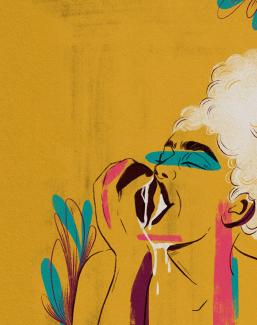
Cover image, woman biting a fruit
 

التجسيدات العابرة للحدود

نصدر النسخة هذه من المجلة بالشراكة مع «كحل: مجلة لأبحاث الجسد والجندر»، وسنستكشف عبرها الحلول والاقتراحات وأنواع الواقع النسوية لتغيير عالمنا الحالي وكذلك أجسادنا وجنسانياتنا.

استكشف المجلة

CFA 2023 - breadcrumbs Menu _ awid-forum-ar

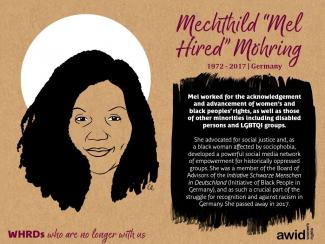
Mechthild "Mel Hired" Möhring

Read also:

We all can dance
by Mechthild Möhring (aka serialmel)

How I punt myself at the narrow hard knitting I once retrieved. I'm dancing in the kitchen when I'm alone. Gracile and powerful. When I'm in company I'm clumsy. My body scandalizes, scandalizes the laws of look I feel, scandalizes the words which banished me. "Of course she can dance, it's in her blood as a Black person." "If she is able to dance nicely she is good in bed" they whisper, they murmur, no - they say it openly into my face. They smirk and rub themselves against me and let me move back. I stumble and fall. My feet reject their duty. Bearish I get out of breath. Smiling I place myself out of events and notice how my face freezes into a mask.

Translated into English by Tsepo Bollwinkel


Original in German

Tanzen können wir alle
Von Mechthild Möhring (aka serialmel)

Wie ich mich stosse an den engen, harten Maschen, in die ich mich einst zurückgezogen habe. Ich tanze in der Küche, wenn ich allein bin. Grazil und kraftvoll. Wenn ich in Gesellschaft bin, bin ich unbeholfen. Mein Körper eckt an, an die Gesetze des Blicks, den ich spüre, an die Worte, die mich bannten. „Natürlich kann sie tanzen, als Schwarze hat sie das im Blut.“ „Wenn sie gut tanzen kann, dann ist sie auch gut im Bett“ flüstern sie, raunen sie, nein, sie sagen es mir laut ins Gesicht. Sie grinsen und reiben sich an mir und lassen mich zurückweichen. Ich stolpere und falle. Meine Füsse verweigern ihren Dienst. Tollpatschig gerate ich ausser Atem. Lächelnd setze ich mich an den Rand des Geschehens und bemerke, wie mein Gesicht zur Maske erstarrt.

Nominate bold feminists to join AWID's Board of Directors

Every year, AWID seeks to renew and enrich the perspectives and experience reflected in our Board of Directors by bringing in new members.

Currently, we are looking for individuals to serve 3-year terms on AWID’s Board, starting in early 2023. This is an opportunity to contribute to our organisation’s governance and to be part of an amazing group of feminists from around the world. 

Please help us to identify thoughtful and bold feminists to nominate for election by July 29, 2022.

Submit your nomination

Please also share this invitation to nominate with your networks!

Who are we looking for?

First and foremost, we are looking for candidates who are committed to AWID’s mission, who can make connections between local and global struggles, and who can help us to be thoughtful about how to best leverage AWID's positioning and strengths in a constantly evolving context. Candidates must be willing to uphold the legal duties and responsibilities of the AWID Board in the best interests of the organization. 

This is a voluntary role that requires commitment and engagement throughout the year. Board members are expected to commit a minimum of 10-15 days per year to attend in-person and virtual meetings, and contribute to other communications.  

We aspire for our Board to reflect diversity in all its forms, particularly in terms of gender identity, sexual orientation, age, geography and background. Additionally, we seek Board members with experience relevant to AWID’s priority areas of work. 

While we will consider all candidates, in light of the current composition of the board, priority consideration will be given to:

Candidates with experience working at the intersections of women’s rights/gender justice and :

  • Finance
  • Climate justice
  • Disability justice, and/or 
  • Technology

 Candidates from the following regions:

  • Africa
  • South America

What Board members bring to AWID

The Board of Directors is key to inform AWID’s strategic direction and support our organisation to fulfill its mission in coherence with the world we live in and the needs of our movements. 

Board members contribute to the organization in many ways: bringing governance experience from other spaces, perspectives from diverse sectors of feminist movements, and substantive expertise in areas relevant to AWID’s strategy. 
The candidates who are ultimately elected will be joining the AWID Board in 2023, accompanying us for the launch of our new strategic plan led by AWID’s new Co-Executive Directors, and the planning of our next international Forum.   

Do you know someone with this profile?

Submit your nomination

(You can nominate yourself or someone you know - with their consent)

Please also share this invitation to nominate with your networks!

While anyone can nominate a person for the AWID Board, only AWID members can vote in our Board Elections - Become an AWID member today!

Thank you, in advance, for helping us find our next wonderful Board members to support AWID in its journey ahead!  

CFA 2023 - Themes - ar

المواضيع

نرحب بالطلبات عبر مجموعة كاملة من المواضيع والتقاطعات المهمة للحركات النسوية وحركات العدالة الجندرية. في نموذج الطلب، ستتمكن/ين من تحديد أكثر من موضوع يناسب نشاطك.

  • أجساد حرة، أرواح حرة: كل ما يتعلق بالاستقلالية الجسدية، الجندر والجنسانية، الصحة والحقوق الإنجابية، التحرر من العنف القائم على النوع الاجتماعي، وحرية العيش بأمان، المتعة والفرح في أجسادنا وهوياتنا ومجتمعاتنا المتنوعة، وأكثر من ذلك بكثير .
  • مقاومة محاربة الحقوق: محليًا وعالميًا، تقود النسويات والنسويون الطريق في مقاومة جميع أشكال الاضطهاد المتعدد الجوانب، بما في ذلك الفاشية والأصولية والأنظمة الاستبدادية؛ لدينا الكثير لمشاركته ووضع الاستراتيجيات مع بعضنا البعض.
  • الحركات والتنظيم: دعونا نتعرف على حركات بعضنا البعض. من التنقل في السلطة (الداخلية والخارجية) إلى استراتيجيات الحماية في مواجهة قمع المرأة والمدافعين/ات عن حقوق الإنسان المتنوعي/ات الجندر، ومن بناء التحالفات إلى الأشكال الإبداعية والناجحة للتنظيم، دعونا نتعلم ونستلهم من بعضنا البعض.
  • العدالة الاقتصادية والاقتصاد النسوي: يشمل هذا الموضوع جميع الجهود النسوية لتحويل اقتصاداتنا، من تحدي النماذج الاستخراجية السائدة والدفاع عن حقوق العمل إلى تجسيد وعيش الممارسات والبدائل الاقتصادية النسوية في الحياة اليومية.
  • تمويل /توفير الموارد للنشاطات: يمثل تأمين التمويل الذي تشتد الحاجة إليه تحديًا مشتركًا للحركات في جميع أنحاء العالم؛ دعونا نفكك معًا نظام التمويل النسوي، بدءًا من التحليل النقدي وحتى التجارب المباشرة والطرق العملية لتمويل العمل النسوي.
  • المناخ، العدالة البيئية، الأرض والمياه: للعدالة البيئية والمناخية جذور عميقة في العديد من حركاتنا ومجتمعاتنا؛ من التقاليد القديمة إلى الرؤى المستقبلية، ومن القرى البيئية إلى الحملات لإنهاء الاستخراج وترقية العدالة الصحية، ندعو إلى نطاق كامل من الأنشطة المتعلقة بجميع جوانب العدالة المناخية والبيئية.
  • العسكرة، الحرب والصراع: نهدف إلى تسليط الضوء على تنظيم وتحليل التجارب النسوية في كثير من الأحيان في الجبهة الأمامية للاستجابة للأزمات والمساعدة في الحفاظ على الحياة والمجتمع والعدالة في أقسى أوقات الحرب والصراع الذي طال أمده.
  • إنهاء الاستعمار: يعتبر إنهاء الاستعمار أمرًا أساسيًا في كل موضوع من موضوعاتنا، ولكنه يقف أيضًا بمفرده، كأجندة نسوية رئيسية للمقاومة وبناء العالم في العديد من الحقائق الاستعمارية وما بعد الاستعمارية.
  • الواقع الرقمي والتكنولوجيا النسوية: نرحب بفرصة الاحتفاء بالمبادرات النسوية المذهلة التي تحول العوالم الرقمية، وتتحدى هياكل السلطة التكنولوجية الكبيرة، وتضفي الطابع الديمقراطي على التكنولوجيا من خلال الناس ومن أجلهم حقًا.
  • العدالة الشفائية: هناك تنوع مذهل في أساليب الرعاية الجماعية والعدالة الشفائية. في جميع أنحاء العالم، يستعيد المشافين/ات والحركات العدالة الشفائية كمبدأ سياسي، ومجموعة من الممارسات، ورحلة تعليمية، وأسلوب حياة، والكثير غير ذلك.
  • أضف/ أضيفي موضوعك هنا!

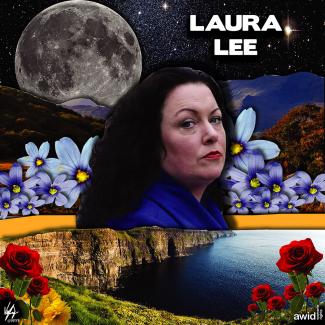
Laura Lee

Laura was a leading activist and lawyer who campaigned fearlessly for the decriminalisation of sex work in Ireland.

She is remembered as “a freedom fighter for sex workers, a feminist, a mother to a daughter and a needed friend to many.” 

Laura advocated for individuals in the sex industry to be recognised as workers deserving of rights. She advanced demands for decriminalisation, including initiating a judicial review at Belfast’s high court in respect of the provisions criminalising the purchase of sex.  Laura stated that her intention was to bring the case to the European Court of Human Rights.


Laura Lee, Ireland

Love letter to Feminist Movements #9

The body is a powerful entity. As women, our bodies are controlled, oppressed and policed from the womb. The way we look, move, dress, walk, speak, gesture, laugh. I often wondered at what drives patriarchal fears around the power of female bodies. Where I come from sex work and sex workers were whispered of with simultaneous contempt, disgust, fascination, pity and condemnation.

Where I come from sex work and sex workers were whispered of with simultaneous contempt, disgust, fascination, pity and condemnation.

Love letter to feminist movements from Khin Khin.

I first encountered sex work and sex workers at age 22. Simple conversations, sitting in circles, chatting over coffee and tea, we explored each other’s lives, experiences, thoughts and feelings.

For sex workers, sex work was the most worthwhile choice out of all other options to pay bills, to support family, to have more flexible working hours, to have sex. Just as I chose my job as the most worthwhile, to pay bills, to support family, to have more flexible working hours. 

These individuals, women and men, taught me that I made my own decisions about my body… where I focus its life and energy, whether I use it for pleasure or pain, whether I trade it in or give it freely, and how I want to feel about my body. The awareness was as exciting as it was empowering.

Crear | Résister | Transform: a festival for feminist movements – 2021… you accompanied me through a series of life-changing moments (!!!) 
We call these ‘events,’ though in truth, to me, your feminist learning spaces are, where I take a little of what’s inside me, a little of what your speakers say and some from the discussions to go deeper into our understanding.

Sharing… Partaking… Immersing…
in strength, in vulnerability, in pleasure.

Simply being the transformative feminist that I am, without pretentions, without misgivings… 

Welcoming the transformative feminist that I have always been, without even knowing the term or acknowledging it in such a manner or in such terms… 

Finding home for the fiercely transformative feminist living within me… 

Despite the anger, rage and frustration of not being treated as equals and being treated with ‘less __ than,’ 

I did not always consider myself a feminist nor did I recognise myself within the feminist movement or discourse… Truly, I appreciate doors being held open, chairs being pulled out to be seated, acknowledgement as a woman, of my femininity.

At times I dismissed the patriarchy with annoyance, at times, I responded with frustration and anger but I did not address it… I did not notice its sinister, insidious toxicity… I was privileged enough to be able to work through it, to survive it, to overcome it, to excel in spite of it… I did not question enough, challenge enough, push my boundaries enough… I did not do enough…
connecting with sex workers, exploring sexuality, and the women for peace and security...

Until I became fully aware and understood the implications of both privilege and oppression that was intersectional.

Until I realised what it meant to fight for gender justice and not simply ‘equality for all.’

Practitioner and facilitator no longer, I am a transformative feminist practitioner and facilitator.
Being a feminist means that I will act 

  • – through my daily activities: the way I live, the work that I do, the processes that I am invited to lead, the workshops and lectures that I am invited to give – 
  • to push back against patriarchal toxicity, to dismantle patriarchal structures and systems, 
  • to work to decolonise values, beliefs, thoughts, to smash the myths of gender norms and expectations, 
  • to address power imbalances imposed by patriarchal beliefs and socialisation, 
  • to foster relationships built on inclusion, holism, equity, care, reciprocity, accountability and justice, 
  • to stand and act in solidarity in the frontlines of the fight towards inclusion, equity and justice.

Plunging into uncertain, fragile, complex (and possibly quite violent) future…

  • I want to discover myself and be myself more intimately, authentically and deeply through the movement… 
  • I want to be more actively involved in and interconnected through this love relationship. 

I am deeply grateful for you and I promise to remain fierce in addressing and redressing problematic issues around gender, race, ethnicity, social class, sexual orientation and ability, and remain present and faithful to the struggle for inclusion, equity and justice.

Khin Khin
Forum 2024 - FAQ - Call for Activities EN

Call for Activities

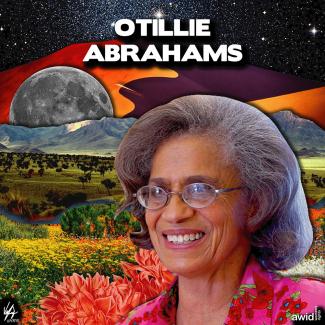
Ottilie Abrahams

Ottilie was a Namibian feminist activist, educator and politician.

Ottilie was one of the founders of the South West African People's Organisation (SWAPO), the Yu Chi Chan Club (an armed revolutionary group); and the South West African National Liberation Front (SWANLIF). She was also a founder of the Namibian Women’s Association and Girl Child Project.

Throughout her life, Ottilie argued for the right to argue, think, contest, and demand. She mobilized women, organized students and teachers and criticized other comrades for their elitism and their corruption.

Ottilie worked ferociously to dismantle patriarchy, and to create a concrete transformative, liberatory, feminist participatory democracy.

Ottilie often said: “I will rest the day I die.”


Ottilie Abrahams, Namibia

No care economies without domestic workers!

A Manifesto 

As feminist and labour movements, together in solidarity, we articulate the following points as a collective vision for care economies with domestic workers rights at the centre. We call on feminist and social movements to join the call to rethink the economy with care at its centre recognising the rights, agency and leadership of domestic worker movements.

Our manifesto is a response to a complex context.

Domestic and care work is in the limelight after the COVID-19 global pandemic as it provided the means to carry the world through multiple intersecting crises at the global scale. The World Bank, the International Monetary Fund, and other multilateral institutions also acknowledge the importance of care and domestic work in sustaining the world’s economy. However, it is our analysis that this recognition most often takes an instrumentalist approach (i.e. care work sustains the ‘productive’ economy) focused on profiteering from care work without recognizing care as a human right and public good, or providing recognition and rights to the workers undertaking the bulk of this labour.

The manifesto is available in English, French, Spanish, Amharic and Thai.

Download the full manifesto

ฟอรัม AWID นานาชาติ คืออะไร

ทุกสามถึงสี่ปี AWID จะเป็นเจ้าภาพงานประชุมนานาชาติที่สำคัญ โดยจะเป็นการประชุมขนาดใหญ่ระดับโลกที่หัวใจหลักอยู่ที่ขบวนการเฟมินิสต์และความเป็นธรรมทางเพศที่หลากหลาย เป็นการรวมตัวกันระดับโลกของนักกิจกรรมเฟมินิสต์ เครือข่ายพันธมิตร นักวิชาการ แหล่งทุน และผู้กำหนดนโยบาย โดยฟอรัมเปลี่ยนสถานที่จัดหมุนเวียนไปในต่างภูมิภาคและในประเทศต่างๆทั่วซีกโลกใต้

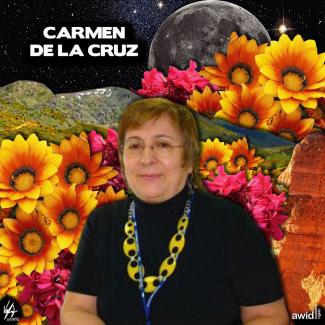
Carmen de la Cruz

Carmen had a long career advocating for women’s rights both in NGOs and within the United Nations (UN) system.  

She taught courses in several Spanish and Latin American universities, and published numerous articles and reports on women, gender and peace in developing countries.

Her writing and critical reflections have impacted a whole generation of young women. In her last years, she was responsible for the Gender Practice Area in the Regional Center of the United Nations Development Program (UNDP) for Latin America, from where she supported very valuable initiatives in favour of gender equality and women's human rights.


Carmen de la Cruz, Argentina/ Spain

ฉันจำเป็นต้องเป็นสมาชิก AWID หรือไม่เพื่อเข้าร่วมฟอรัม

ไม่ คุณไม่จะเป็นต้องเป็นสมาชิก AWID เพื่อที่จะเข้าร่วมฟอรัม แต่สมาชิก AWID จะได้รับส่วนลดค่าลงทะเบียนรวมถึงสิทธิประโยชน์อื่นๆ เรียนรู้เพิ่มเติมเกี่ยวกับการเป็นสมาชิก AWID

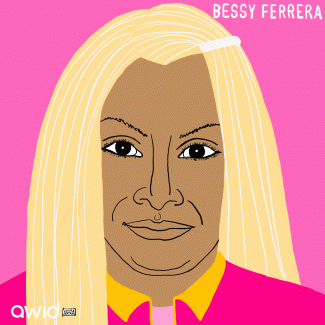
Bessy Ferrera

Bessy Ferrera was a lifelong defender of the human rights of trans people, sex workers and HIV positive people in Honduras.

Bessy was also a member of Arcoíris, an organisation which supports the LGBTI+ community. She was also a focal point person for the Right Here, Right Now (Derechos aquí y Ahora) Platform of Honduras, and advocated strongly for full citizenship of trans people, and the passing of a gender identity law that would allow trans people to change their gender identity legally.

"Since the beginning of the year [2019] the trans community has been suffering a series of attacks, for defending, for demanding rights." - Rihanna Ferrera (Bessy’s sister)

Bessy was a sex worker, and in early July 2019, was shot to death by two men while working in the streets of Comayagüela. Her assailants were subsequently arrested. 

Bessy is one of many LGBTI+ rights defenders in Honduras, who were murdered because of their identities and work. Other companeras include: Cynthia Nicole, Angy Ferreira, Estefania "Nia" Zuniga, Gloria Carolina Hernandez Vasquez, Paola Barraza, Violeta Rivas, and Sherly Montoya.

Bessy’s case is emblematic of injustice and a much larger problem of the systematic violence the LGBTI+ community faces in Honduras as the state fails to guarantee rights offer and fails to offer protection. This has created a culture of impunity.

Despite the risks LGBTI+ defenders in Honduras face, they continue their work to challenge and resist violence, and fight stigma and discrimination on a daily basis. 

“If I die, let it be for something good not for something futile. I don’t want to die running away, being a coward. If I die, I want people to say that I died fighting for what is mine.” - member of Arcoíris 

บุคคลหรือองค์กรสามารถส่งใบสมัครหลายกิจกรรมได้หรือไม่

คุณสามารถส่งกิจกรรมได้มากถึง 2 กิจกรรมในฐานะผู้จัดกิจกรรม และคุณยังสามารถเป็นผู้ร่วมจัดในการส่งกิจกรรมของผู้อื่นได้

Doris Valenzuela Angulo

Doris Valenzuela Angulo was an Afro-descendant social activist, leader and human rights defender from Buenaventura, Colombia. She was part of Communities Building Peace in the Territories (CONPAZ), a national network of organizations in communities affected by armed conflict that advocate for non-violence and socio-environmental justice. 

Doris defied constant paramilitary violence and pressures from mega projects to displace her community and state collusion. Faced with one of the most difficult contexts in her country, she played a leadership role in an unprecedented initiative of non-violent resistance called Puente Nayero Humanitarian Space, an urban place for community cohesion, safety, creativity and collective action. 

This unique non-violent struggle of the families that belonged to Puente Nayero Humanitarian Space, attracted attention and support from both local and international agencies. By September 2014, the Inter-American Commission on Human Rights had granted precautionary protection measures to the community ordering the Colombian State to adopt necessary measures to preserve their lives and personal integrity. However, the threats and violence from the paramilitaries continued. Doris focused her energies on preventing forced recruitment of children and young people by the neo-paramilitaires, continuing on despite the murder of her son Cristian Dainer Aragón Valenzuela in July 2015. Doris also became a target, continuously receiving threats for her activism and the work she did.  

The continued aggression and threats against her life forced Doris to leave Colombia. She was residing in Spain from February 2017 to February 2018, as part of the Amnesty International temporary protection program for human rights defenders at risk. In April 2018, Doris was murdered in Murcia, Spain by her ex-partner. She was only 39 years old. 


Tributes:

"Doris, spending a whole year with you has taught us how a person can have the ability to transform and generate hope in the face of deeply negative and devastating events during your life...We continue with our commitment in the defense of all human rights. Your courage and your light will always guide us.” - Montserrat Román, Amnesty International Grupo La Palma

Excerpt from “Words for Doris Valenzuela Angulo” by Elsa López

"..You knew it. You always knew. And in spite of everything you stood firm against so many injustices, so many miseries, so much persecution. You stood up, haughty and fierce, against those who wanted to make you again abandon your hopes, humble yourself and surrender. Standing up you cried out for your freedom and ours that was yours. Nothing and no one paralyzed your efforts to change the world and make it more generous and livable. You, live among us, more alive today than ever among us despite death. Always live by your gestures, your courage, your greatness when crying for a promised land that you came to invoke with each of your cries for all the deserts you inhabited. You. Always alive. Doris Valenzuela Angulo.

They are only words. I know. I know it too. But the words unite us, protect us, give us strength and encouragement to continue walking towards the light that you defended so much…” 

Clone of CFA 2023 - Hybrid like never before: in person - FR

Hybride comme jamais auparavant

Pour la première fois, le Forum de l'AWID propose trois modes de participation :

En personne

Les participant.e.s se réuniront à Bangkok, en Thaïlande. Nous sommes impatient.e.s de vous y retrouver!

#6 - Sexting like a feminist Tweets Snippet EN

Always be willing to explore new experiences!

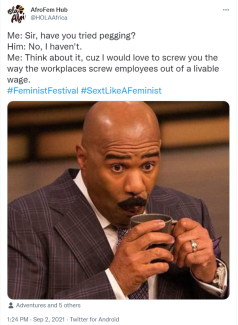
Image of a tweet with the photo of American tv Host Steve Harvey. Text says - Me: Sir, have you tried pegging? Him: No, I haven't. Me: Think about it, cuz I would love to screw you the way the workplaces screw employees out of a livable wage.

Stacey Park Milbern

"No sé mucho sobre la espiritualidad o lo que sucede cuando morimos, pero mi vida de coreana crip queer me hace pensar que nuestros cuerpos terrenales son sólo una fracción de lo que somos, y no considerar a nuestros antepasadxs es quedarse con solo un atisbo de lo que somos". - Stacey Park Milbern 

Stacey Park Milbern fue una mujer autodefinida como queer, con discapacidad y de color, además de una pionera. Líder y organizadora respetada y de amplia trayectoria en el movimiento por los derechos y la justicia para las personas con discapacidad, también defendió los derechos de muchas otras comunidades, y no solo los de la suya propia. El activismo de Stacey tenía raíces poderosas en su experiencia personal con las intersecciones del género, la discapacidad, la sexualidad y la raza.

Stacey, junto con algunxs amigxs, co-creó el Club de Cultura de Justicia para la Discapacidad, un grupo dedicado a apoyar a varias comunidades, especialmente aquellas más vulnerables, que, entre otras cosas, está ayudando a las personas sin hogar a acceder a recursos durante la pandemia del COVID-19.

También fue coproductora de una campaña con mucho impacto para el documental de Netflix "Crip Camp", integrante de la junta directiva de la Fundación WITH, y dirigió organizaciones a nivel local, estatal y nacional. Stacey escribió además de manera hermosa y poderosa:

"Mis antepasadxs son personas forzosamente separadas de sus amores a causa de la guerra y el desplazamiento. Es gracias a ellxs que hoy conozco el poder de construir un hogar con lo que tienes, dondequiera que estés, con quien quiera que estés. Mis antepasadxs son queers que vivieron en el sur de América. Es gracias a ellxs que entiendo la importancia de las relaciones, del lugar y de vivir la vida al máximo, aunque sea peligroso. Todxs mis antepasadxs conocen el anhelo. El anhelo es a menudo nuestro lugar de conexión..." - Stacey Park Milbern

Stacey nació en Seúl, Corea, y creció en Carolina del Norte, para después continuar con su viaje en el área de la bahía de San Francisco. Stacey falleció por complicaciones de una cirugía en su cumpleaños número 33, el 19 de mayo de 2020.


Para leer un ensayo de Stacey Park Milbern (en inglés)
Para escuchar una entrevista con Stacey Park Milbern (en inglés)
#StaceyTaughtUs: Record your story for the Disability Visibility Project (en inglés)

Tributos:

"Ella fue, como mucha gente diría, una líder nata. En cierta medida, ella lo abarcó todo. ¿Sabes? Ella supo liderar desde la primera línea, desde el medio y también desde atrás.  Era capaz de hacer todo eso de alguna manera." - Andraéa LaVant, activista por los derechos de las personas con discapacidad.

"Qué golpe perder a Stacey cuando nuestras comunidades necesitan de su liderazgo más que nunca, y en un momento en que su fuerza, perspicacia y agallas estaban recibiendo un mayor reconocimiento, más allá de los círculos de las personas con discapacidad, y le ofrecían una plataforma mayor para avanzar con el trabajo de su vida... No tendremos la suerte de aprender hasta dónde su carismático liderazgo nos habría llevado. Pero, sin ningún tipo de dudas: Lo que Stacey nos dio, en un tiempo relativamente corto, continuará beneficiando a otrxs en los próximos años". - Fondo de Educación y Defensa de los Derechos de las Personas con Discapacidad (DREDF, por sus siglas en inglés).

COP30: Homepage Banner - FR

COP30: Reclaim climate action from corporate capture

Tandis que les dirigeant·es du monde entier se réunissent au Brésil, les mouvements féministes manifestent, se rassemblent et bouleversent le statu quo à la COP30 et partout ailleurs ! Nous voilà en route vers Belém au Brésil, aux côtés d’autres féministes, pour assister à la COP30 du 10 au 21 novembre 2025. Nous continuerons d’y dénoncer les fausses solutions.

En savoir plus