Philippe Leroyer | Flickr (CC BY-NC-ND 2.0)

Special Focus

AWID is an international, feminist, membership organisation committed to achieving gender equality, sustainable development and women’s human rights

Women Human Rights Defenders

WHRDs are self-identified women and lesbian, bisexual, transgender, queer and intersex (LBTQI) people and others who defend rights and are subject to gender-specific risks and threats due to their human rights work and/or as a direct consequence of their gender identity or sexual orientation.

WHRDs are subject to systematic violence and discrimination due to their identities and unyielding struggles for rights, equality and justice.

The WHRD Program collaborates with international and regional partners as well as the AWID membership to raise awareness about these risks and threats, advocate for feminist and holistic measures of protection and safety, and actively promote a culture of self-care and collective well being in our movements.


Risks and threats targeting WHRDs  

WHRDs are exposed to the same types of risks that all other defenders who defend human rights, communities, and the environment face. However, they are also exposed to gender-based violence and gender-specific risks because they challenge existing gender norms within their communities and societies.

By defending rights, WHRDs are at risk of:

  • Physical assault and death
  • Intimidation and harassment, including in online spaces
  • Judicial harassment and criminalization
  • Burnout

A collaborative, holistic approach to safety

We work collaboratively with international and regional networks and our membership

  • to raise awareness about human rights abuses and violations against WHRDs and the systemic violence and discrimination they experience
  • to strengthen protection mechanisms and ensure more effective and timely responses to WHRDs at risk

We work to promote a holistic approach to protection which includes:

  • emphasizing the importance of self-care and collective well being, and recognizing that what care and wellbeing mean may differ across cultures
  • documenting the violations targeting WHRDs using a feminist intersectional perspective;
  • promoting the social recognition and celebration of the work and resilience of WHRDs ; and
  • building civic spaces that are conducive to dismantling structural inequalities without restrictions or obstacles

Our Actions

We aim to contribute to a safer world for WHRDs, their families and communities. We believe that action for rights and justice should not put WHRDs at risk; it should be appreciated and celebrated.

  • Promoting collaboration and coordination among human rights and women’s rights organizations at the international level to  strengthen  responses concerning safety and wellbeing of WHRDs.

  • Supporting regional networks of WHRDs and their organizations, such as the Mesoamerican Initiative for WHRDs and the WHRD Middle East and North Africa  Coalition, in promoting and strengthening collective action for protection - emphasizing the establishment of solidarity and protection networks, the promotion of self-care, and advocacy and mobilization for the safety of WHRDs;

  • Increasing the visibility and recognition of  WHRDs and their struggles, as well as the risks that they encounter by documenting the attacks that they face, and researching, producing, and disseminating information on their struggles, strategies, and challenges:

  • Mobilizing urgent responses of international solidarity for WHRDs at risk through our international and regional networks, and our active membership.

Related Content

BD: La super-héroïne féministe qui déboulonne les mythes antidroits

BD: La super-héroïne féministe qui déboulonne les mythes antidroits

Dans cette BD illustrée par Sophia, suivez les aventures de notre super-héroïne féministe qui dément les récits des antidroits dans le monde entier et sauve la mise aux mouvements féministes.

Obtenir la BD!

Lina Ben Mhenni

«Quiero transmitir el siguiente mensaje a todos los tunecinos y tunecinas: Tenemos que unirnos para decir no a la censura y a los juicios contra el derecho a opinar.» - Lina Ben Mhenni (entrevista de 2013)

Lina Ben Mhenni fue bloguera, activista y docente de lingüística tunecina. Se expresaba en contra de la censura en Internet, defendía la libertad de expresión, y era una defensora de los derechos humanos y de las mujeres. Lina luchó también por la liberación de lxs estudiantes arrestadxs durante el gobierno del anterior presidente Zine El Abidine.

«Es cierto que la información y la Internet son importantes, pero para hacer una revolución es crucial estar en el territorio. Algunas personas aquí en Túnez piensan que el cambio se dará mediante un simple “me gusta” en Internet. Yo creo que hay que estar activxs en el terreno. Y, por supuesto, que hay que combinar las acciones en el terreno con la acción en las redes.» - Lina Ben Mhenni (entrevista en POCIT)

En 2010 co-organizó una protesta que desafió la decisión gubernamental de suprimir medios de comunicación e instalar la censura de Internet. Lina era muy conocida por su blog «A Tunisian Girl», y por su trabajo durante la revolución tunecina de 2011. En su blog, difundió la información sobre el levantamiento, compartió imágenes que documentaban las protestas, y fue una de las pocas voces que hablaron sobre los asesinatos y la represión de lxs manifestantes de Sidi Bouzid. Lina publicaba en su blog utilizando su nombre real en lugar de un seudónimo que protegiera su identidad, y fue una de lxs pocxs bloguerxs en hacerlo.

«Nuestra libertad de expresión corre verdadero peligro. Me temo que estamos perdiendo los extraordinarios frutos de la revolución: la desaparición del miedo y nuestra libertad de expresión. Tenemos que seguir luchando para proteger y preservar este derecho.» - Lina Ben Mhenni (entrevista de 2013)

Lina tenía solamente 36 años cuando falleció, el 27 de enero de 2020, debido a complicaciones derivadas de una enfermedad autoinmune.

«Libertad, mejor educación y mejor salud—eso era lo que todxs queríamos. Cuando fracasábamos, ella nos empujaba.» - Hala, maestra de Lina

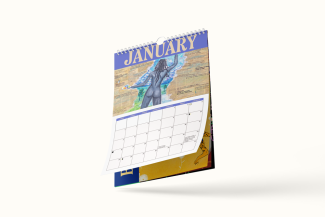
Calendario Feminista AWID 2026

Considera este calendario como un obsequio, que te llega a ti y a 9500 afiliades de nuestra comunidad feminista mundial. Un obsequio de esperanza, conexiones renovadas, acción y comunidad en un momento de inmensas injusticias y violencias.

Que estas historias te recuerden que a través de las fronteras y a lo largo de las luchas, somos muches, somos fuertes y, en conjunto, construimos los mundos que merecemos.

Descárgalo aquí, en tu idioma preferido.

Español
Français
English
Português
عربي
Русский

¿Cuáles son los idiomas del Foro?

Los idiomas de trabajo de AWID son inglés, francés y español. El tailandés se agregará como idioma local, al igual que el lenguaje de señas y otras medidas de accesibilidad. Es posible que se añadan otras lenguas si la financiación lo permite, así que mantente atentx a las actualizaciones. Nos importa la justicia lingüística y trataremos de incluir tantos idiomas como sea posible y según nuestros recursos lo permitan. Esperamos crear múltiples oportunidades para que muchxs de nosotrxs podamos participar en nuestras lenguas y comunicarnos entre nosotrxs.

WITM - Refreshed DATA SNAPSHOTS - FR

Présentation des donnée

Notre force collective, notre sagesse et notre engagement sont illimités... mais pas nos comptes en banque.

Cette synthèse s’appuie sur les réponses de 1 174 organisations féministes, de défense des droits des femmes, LBTQI+ et alliées (désignées ci-après comme « organisations féministes et de défense des droits des femmes ») issues de 128 pays, ayant participé à l’enquête Où est l’argent pour l’organisation des mouvements féministes ?

Instantanés de données à venir

فقدان الكلام | كلمة العدد

كلمة العدد

فقدان الكلام

بدأنا التخطيط لعدد المجلّة هذا مع نانا داركوا قُبيل مهرجان «ابدعي، قاومي، غيٍّري: مهرجان للحراكات النسوية» لجمعية «حقوق المرأة في التنمية» AWID، وانطلقنا وقتها من سؤالٍ هو بالأحرى ملاحظة حول حالة العالم، ورغبة في تغيير الاعتقادات السائدة: لماذا لا تزال جنسانيّاتنا وملذّاتنا تخضع للترويض والتجريم مع أنّه يتمّ تذكيرنا مراراً وتكراراً بأنّها لا تأتي بأيّ قيمة أو تطوّر؟ واستنتجنا أنّ جنسانيّاتنا، لمّا تتجسّد، فيها ما يتعارض مع النظام العالمي الذي ما زال يتجلّى من خلال ضوابط الحدود، والتمييز العنصري في توزيع اللقاح، والاستعمار الاستيطاني، والتطهير العرقي، والرأسمالية المُستشرية. هل يمكننا إذاً القول إنّ لجنسانيّاتنا قدرةٌ تعطيليّة؟ وهل يصحّ هذا القول عندما ننظر إلى واقع حركاتنا التي يتمّ الاستيلاء عليها ومأسستها في سعيها للتزوّد بالموارد؟

Read more

Gloria Chicaiza

Activiste sociale et de l’environnement équatorienne, Gloria Chicaiza était une fervente défenseuse du droit à la terre et à l’eau. Elle s’est opposée au statu quo en luttant contre un modèle de développement fondé sur l’extraction et a oeuvré sans relâche pour la justice écologique et les droits des communautés affectées par l’exploitation minière.   

Dans divers endroits de l’Équateur, Gloria a participé à des actions de résistance en faveur de la protection de l’écosystème. Avec passion et dévouement, Goria a apporté son soutien au mouvement autochtone et environnemental, à ces communautés et organisations qui s’opposent aux projets miniers et protègent leurs territoires et leurs projets de vie collectifs. Elle est intervenue au sein de forums locaux et internationaux contre la criminalisation des dissident·e·s et des résistant·e·s, contre les pressions et la violence exercées à l’encontre des activistes communautaires, en particulier des femmes défenseuses des droits humains, et pour soutenir les efforts déployés par les communautés en faveur de la souveraineté alimentaire et de la durabilité. 

Elle était la coordonnatrice de la justice minière à Acción Ecológica, membre du Réseau latino-américain des femmes défenseuses des droits sociaux et environnementaux, et membre du conseil d'administration de l'Observatoire latino-américain des conflits miniers.

En octobre 2010, Gloria a été accusée par la société minière Curimining/Salazar Resources S.A. (dont le siège est à Vancouver, au Canada) d’avoir commandité un acte de terrorisme, de sabotage et d’association illégale dans le but de commettre un crime. Acción Ecológica a estimé qu’il s’agissait là de “représailles pour son travail de dénonciation concernant l’impact des activités minières dans le pays”.

En 2015, Gloria a facilité la coordination d’une délégation, composée de 25 femmes autochtones d’Amérique latine, affectée au Dialogue sur le changement climatique de la COP 20 des Nations Unies.

Gloria est décédée le 28 décembre 2019 des suites de complications liées à une transplantation pulmonaire. On se souvient d’elle pour ses actes de résistance et son travail acharné. 

"Le moyen le plus rapide de parvenir à la durabilité reste encore la résistance.” -  Gloria Chicaiza (2010 interview)


Hommages :

“Pour GLORIA. GLORIA Eau. GLORIA Terre. GLORIA Mère. GLORIA Révolution. GLORIA Soeur. GLORIA Ciel. GLORIAmie. GLORIAstrale. Merci de nous avoir entrelacé·e·s.” -Liliana Gutierrez

“Merci Glorita, d’avoir nourri l'espoir, d’avoir préservé la solidité de la structure, d’avoir tissé des liens avec la communauté, pour les mains unies, pour la solidarité, merci Glorita de t’être tenue à nos côtés dans les moments les plus difficiles. Merci de nous avoir appris que tout au long de la vie, personne ne se fatigue.” (Chakana News)

“Gloria Chicaiza appréciait ne pas sortir du lot et s’y épanouissait. Et aussi humble qu'elle fût, elle avait une capacité inouïe à mener et garder un rythme régulier et étourdissant, un pouls de vie qui guidait, mobilisait et inspirait les communautés et les réseaux dans la protection de la Terre Mère. Elle a dénoncé toutes les formes de violence contre les “cuerpos-territorios” (les corps comme territoires). Elle soutenait le “buen vivir" (“bien vivre”). - Gabriela Jiménez, coordonnatrice des partenariats en Amérique latine, KAIROS

“Merci Gloria Chicaiza, nous sommes sûr·e·s que depuis l’infini, tu continueras à soutenir notre combat. Toi qui as continué de te battre en dépit de ta santé défaillante. Tu continueras de vivre dans les forêts et les eaux que tu as défendues avec tant de courage. Tu vivras dans nos coeurs.” - La communauté d’Intag en Équateur

Lire d'autres d'hommages à Gloria 
Advancing Universal Rights and Justice

Uprooting Fascisms and Fundamentalisms

Across the globe, feminist, women’s rights and gender justice defenders are challenging the agendas of fascist and fundamentalist actors. These oppressive forces target women, persons who are non-conforming in their gender identity, expression and/or sexual orientation, and other oppressed communities.


Discriminatory ideologies are undermining and co-opting our human rights systems and standards,  with the aim of making rights the preserve of only certain groups. In the face of this, the Advancing Universal Rights and Justice (AURJ) initiative promotes the universality of rights - the foundational principle that human rights belong to everyone, no matter who they are, without exception.

We create space for feminist, women’s rights and gender justice movements and allies to recognize, strategize and take collective action to counter the influence and impact of anti-rights actors. We also seek to advance women’s rights and feminist frameworks, norms and proposals, and to protect and promote the universality of rights.


Our actions

Through this initiative, we:

  • Build knowledge: We support feminist, women’s rights and gender justice movements by disseminating and popularizing knowledge and key messages about anti-rights actors, their strategies, and impact in the international human rights systems through AWID’s leadership role in the collaborative platform, the Observatory on the Universality of Rights (OURs)*.
  • Advance feminist agendas: We ally ourselves with partners in international human rights spaces including, the Human Rights Council, the Commission on Population and Development, the Commission on the Status of Women and the UN General Assembly.
  • Create and amplify alternatives: We engage with our members to ensure that international commitments, resolutions and norms reflect and are fed back into organizing in other spaces locally, nationally and regionally.
  • Mobilize solidarity action: We take action alongside women human rights defenders (WHRDs) including trans and intersex defenders and young feminists, working to challenge fundamentalisms and fascisms and call attention to situations of risk.  


Related Content

ours 2021 - chapter 2 es

Capítulo 2

Entender el contexto de las amenazas anti-derechos

El creciente poder de los actores anti-derechos no se está desarrollando en un vacío. Entender el auge del ultranacionalismo, del poder corporativo irrestricto, del incremento de la represión y de la disminución del espacio cívico resulta clave para contextualizar las amenazas anti-derechos que enfrentamos actualmente.

Leer más

Snippet - COP30 - 6th International Rights of Nature Tribunal - FR

6e Tribunal international pour les droits de la nature : un nouvel engagement envers Mère Nature

Là où les organisations de terrain pilotent et les multinationales sont tenues responsables.

📅 Mardi 11 novembre 2025
📍 En ligne et à l'Universidade Federal do Pará, Belém

Plus d'infos ici

Snippet Kohl - Panel | Liberated Land & Territories: A Pan-African Conversation

Globe-Liberated Land & Territories

with Luam Kidane, Mariama Sonko, Yannia Sofia Garzon Valencia, and Nomsa Sizani.

YOUTUBESOUNDCLOUD

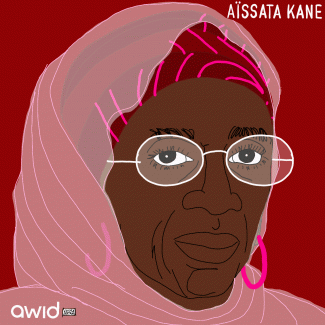
Aïssata Kane

Aïssata Kane, also fondly known as “Yaye Kadia” (Mother Kadia), was a feminist with a lifelong committment in advocating for African and especially Mauritanian women’s rights.

In her career as a politician, she was appointed Minister of Family Protection and Social Affairs in 1975, the first time a woman held such a position and in which Aïssata fervently worked to improve the status of women in her country.  

This work included advancing girls’ and women’s education, fighting against the practice of force-feeding of young women, lobbying for an inclusion of a marital rights provision, and advocating for a female representation quota to be created in the Parliament. 

“[Aïssata] realized all her passions with humility, courage and determination. She didn’t want to disturb anyone by her fight on all these fronts at the same time.” Ball Halimata Dem, Aïssata’s niece

She founded the National Union of Women of Mauritania (UNFM), co-creating and publishing Marienou for them, a magazine dedicated to the emancipation of Mauritanian women. Aïssata also directed several sub-regional and local organizations, including as the President of the International Association of Francophone Women (AIFF) and as a resolute ecologist, she was President of the Association for the Protection of the Environment in Mauritania (APEM). 

In 2018 she received the Pioneer Woman Award. It honors her work in advancing Mauritania’s women’s status and recognizes her strong leadership and sense of innovation.

Aïssata passed away on 10 August 2019. 

CFA 2023 - Hubs - ES

Nuevo

Participación en nodos: viaje espacial a través de las fronteras

Lxs participantes se reunirán físicamente en varios lugares fuera de la sede de Bangkok, en diferentes partes del mundo, durante cada día del Foro. Todos estos lugares autoorganizados se conectarán en forma virtual con la sede del Foro en Bangkok. Como en el caso de las personas que se conecten en línea, lxs participantes de los nodos podrán facilitar actividades, unirse a conversaciones y disfrutar de un programa rico y diverso.

En 2024, informaremos sobre las localizaciones de los nodos.

Snippet - COP30 - Resistance Hubs Section Column 2 - EN

The following partners are organizing COP30 hubs:

  1. Caribbean Feminist Climate Justice Movement, Barbados
  2. Gender Interactive Alliance (GIA), Pakistan
  3. Women’s Initiative for Sustainable Environment (WISE), Nigeria
  4. Réseau des Acteurs du Développement Durable (RADD)*, Cameroon
  5. MASIPAG, The Phillippines

*Website in French

Chinelo Onwualu Snippet

Chinelo Onwualu is an editorial consultant with nearly 10 years of experience in crafting strategic communications for nonprofits across the world. Her clients have included ActionAid Nigeria, The BBC World Trust, Open Society Initiative for West Africa (OSIWA), and AWID. She has a master’s degree in Journalism from Syracuse University and has worked as a writer, editor, and researcher in Nigeria, Canada, and the United States. She is also the non-fiction editor of Anathema magazine and co-founder of Omenana, a magazine of African Speculative Fiction. Her short stories have been featured in several award-winning anthologies and she’s been nominated for the British Science Fiction Awards, the Nommo Awards for African Speculative Fiction, and the Short Story Day Africa Award. She’s from Nigeria but lives in Toronto with her partner and child.

Rosane Santiago Silveira

Rosane Santiago Silveira era conocida afectuosamente como «Rô Conceição». Fue una activista ambiental y por los derechos humanos que luchó fervientemente para proteger el medio ambiente en las zonas más amenazadas.

Esta lucha incluyó la defensa así como también la protección ambiental en la isla de Barra Velha, cuando estuvo amenazada por la exploración petrolera, mediante campañas contra la apropiación de tierras y la expansión de las plantaciones de eucaliptus en el Estado de Bahía, donde Rosane integraba el Consejo de la Reserva Extractivista de Cassurubá.

«La Reserva Extractiva es un área protegida donde las familias residentes se ganan la vida con productos naturales extraídos del bosque. Estas actividades ayudan a mantener la integridad del bosque.» - Global Justice Ecology Project (fuente original: Rede Brasil Atual)

Rosane participó en actividades sindicales, y en movimientos culturales y por los derechos humanos. Dedicó gran parte de sí misma, no solamente a las causas que la afectaban directamente, sino a problemas de la tierra, los bosques, los ríos y las comunidades cuyos derechos y vidas están continuamente en riesgo.

Fue torturada y asesinada el 29 de enero de 2019 en Nova Viçosa, una ciudad del sur de Bahía.

«Lamentablemente, hoy existe un sentimiento de inseguridad total, por la ausencia del Estado  en la investigación de estos delitos. Estuvimos con ella en Navidad, todos se dieron cuenta de que estaba preocupada, y ahora sabemos que había recibido tres amenazas de muerte.» - Tuian, hijo de Rosane, en una entrevista con Rádio Brasil Atual (fuente original: Rede Brasil Atual)