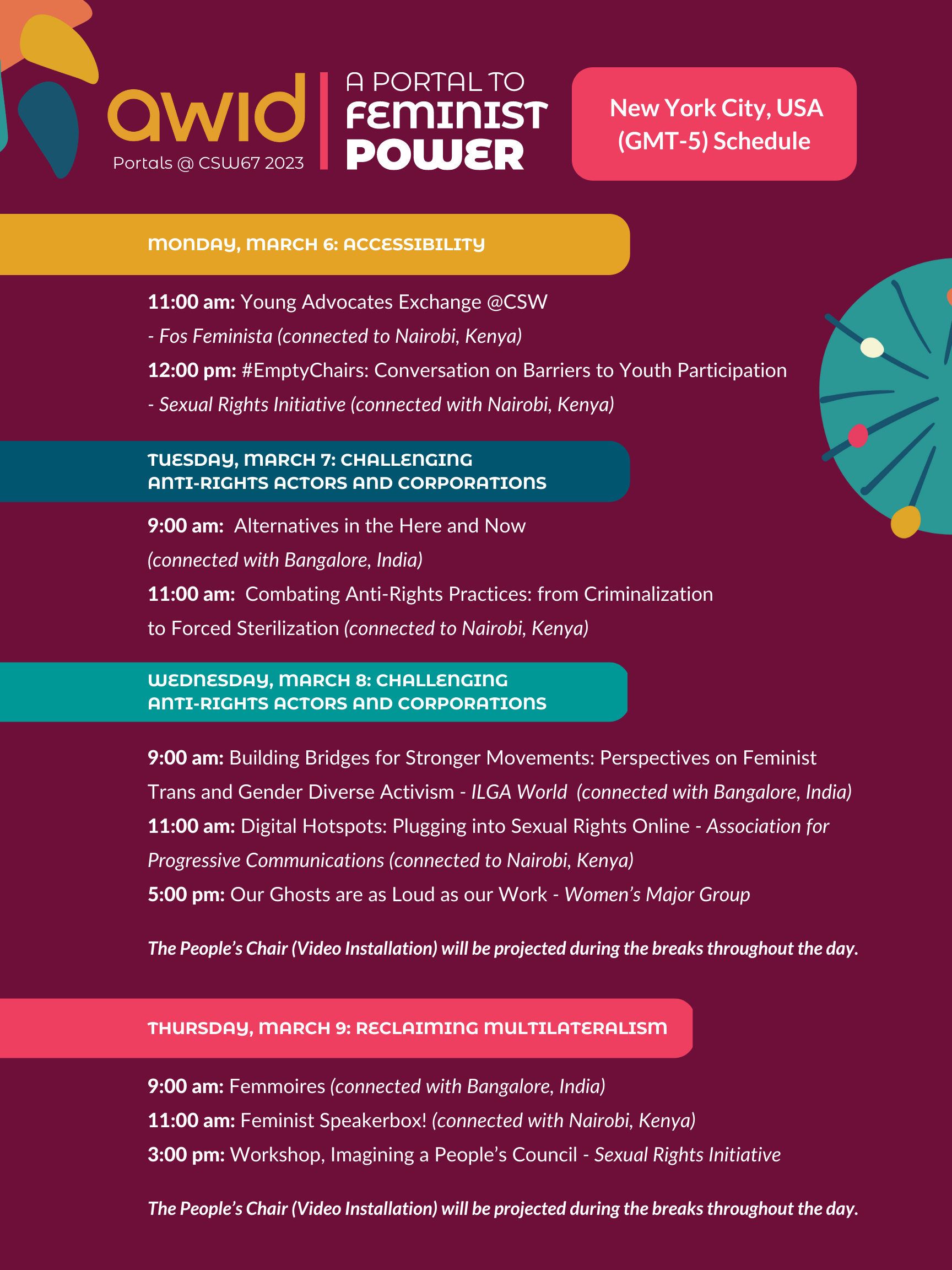
Maria Elizabeth Macias Castro
WHRDs are self-identified women and lesbian, bisexual, transgender, queer and intersex (LBTQI) people and others who defend rights and are subject to gender-specific risks and threats due to their human rights work and/or as a direct consequence of their gender identity or sexual orientation.
WHRDs are subject to systematic violence and discrimination due to their identities and unyielding struggles for rights, equality and justice.
The WHRD Program collaborates with international and regional partners as well as the AWID membership to raise awareness about these risks and threats, advocate for feminist and holistic measures of protection and safety, and actively promote a culture of self-care and collective well being in our movements.
WHRDs are exposed to the same types of risks that all other defenders who defend human rights, communities, and the environment face. However, they are also exposed to gender-based violence and gender-specific risks because they challenge existing gender norms within their communities and societies.
We work collaboratively with international and regional networks and our membership
We aim to contribute to a safer world for WHRDs, their families and communities. We believe that action for rights and justice should not put WHRDs at risk; it should be appreciated and celebrated.
Promoting collaboration and coordination among human rights and women’s rights organizations at the international level to strengthen responses concerning safety and wellbeing of WHRDs.
Supporting regional networks of WHRDs and their organizations, such as the Mesoamerican Initiative for WHRDs and the WHRD Middle East and North Africa Coalition, in promoting and strengthening collective action for protection - emphasizing the establishment of solidarity and protection networks, the promotion of self-care, and advocacy and mobilization for the safety of WHRDs;
Increasing the visibility and recognition of WHRDs and their struggles, as well as the risks that they encounter by documenting the attacks that they face, and researching, producing, and disseminating information on their struggles, strategies, and challenges:
Mobilizing urgent responses of international solidarity for WHRDs at risk through our international and regional networks, and our active membership.
If your group or organization receives funding, you might want to discuss with your funder already now if they are able to support your travel and participation to the Forum. Many institutions plan their budgets for next year early in 2023, so better not delay this conversation for next year.
Collection évolutive de ressources en soutien aux mouvements féministes, aux décideur·euse·s et aux allié·e·s pour contrer les fascismes, les fondamentalismes et résister aux tendances antidroits.

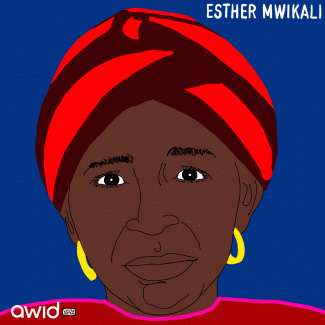
El hogar de Esther Mwikali estaba en la aldea de Mithini, en el condado de Murang'a, Kenya. Esther fue una defensora del derecho a la tierra destacada y valorada que investigó los abusos contra okupas de tierras reclamadas por magnates. La investigación de la que participó Esther incluyó también violaciones del derecho a la tierra cometidas por personas con poder en Makuyu.
Luego de que Esther faltara a una de las reuniones de la aldea, un grupo de búsqueda salió a rastrear a Esther. El 27 de agosto de 2019, dos días después de su desaparición, el cuerpo de Esther fue encontrado en una granja cerca de su casa, con signos de tortura. Esther había sido brutalmente asesinada.
"El trabajo de Esther por evitar el desalojo de lxs integrantes de las comunidades de las tierras reclamadas por magnates era conocido por todxs. Para lxs activistas locales no existía ninguna duda de que su asesinato estaba relacionado con las luchas en la zona por el acceso a la tierra; un trágico recordatorio de la alarmante frecuencia con que se llevan a cabo las ejecuciones extrajudiciales en Kenia."- Global Wittness Report, Julio 2020
"Asociamos la muerte de Mwikali con las luchas locales por el derecho a la tierra, y exigimos al Gobierno que investigue el asunto sin demora." - James Mburu, portavoz de lxs okupas.
"Es necesario tomar medidas con respecto a las personas que presuntamente han amenazado a lxs ocupantes ilegales, incluida la familia de Mwikali". - Alice Karanja, Coalición Nacional de Defensorxs de Derechos Humanos
"El impacto de su trabajo y su tenacidad permanecerán vivos en Kenia durante décadas. El CJGEA consuela a las personas afligidas y pide justicia". - Comunicado de prensa del Centro para la Justicia y la Acción Gubernamental (CJGEA, por sus siglas en inglés), 13 de septiembre de 2019
Search for funders based on their requirements for groups to be registered.
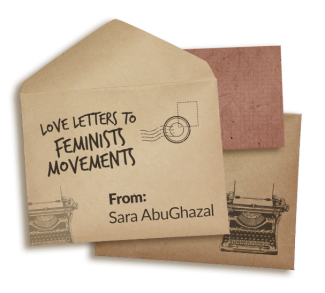
How does a movement start?
we get expelled by ghosts from a house, a family, and a nation
we arrive fatigued to a space (sometimes an actual address) but mainly to a state of being
preceded by a fallen star
perhaps our arrival isn’t accompanied by fatigue,
maybe accompanied by fear
perhaps our arrival isn’t accompanied by fear
maybe accompanied by anger
from issues that keep on repeating themselves:
a stab in the heart (read heartache)
a bullet in the back (read betrayal)
forced disappearances
bodies sentenced by marriage, disfiguration, and chronic fatigue
yet when we arrive, we gather, whisper, speak and weep.
This is how our movements begin when we arrive at each other
We become seeds,
This is how our movements start when we plant each other
Becoming flowers, sometimes just thorns, sometimes fruits,
we are each other’s oasis
to sing for the battles
to make remedies
to place the faces of our lovers, the shape of their smiles, the sound of their laughter
the secret of turning silences into language
the detailed instructions of witches
our movement is: for all of us
when we arrive as seeds with the purpose of flowering.
Sara AbuGhazal
www.badiya.blog
Estamos en comunicación con reuniones regionales, temáticas y de donantes planificadas para 2023-2024, para garantizar el flujo de conversaciones y conexiones. Si estás organizando un evento y deseas establecer una conexión con el Foro de AWID, ¡por favor contáctanos!
The first report from the Observatory on the Universality of Rights acts as a compendium of information on anti-rights trends in international spaces. Find out about key anti-rights religious actors, discourses, and tactics within the UN.
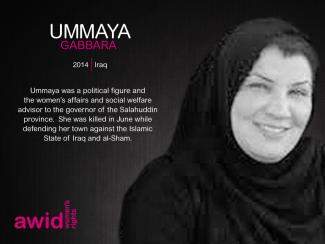
« Je n’y connais pas grand-chose sur la spiritualité ou sur ce qui se passe lorsqu’on meurt, mais ma vie de queer crip coréenne me laisse penser que notre esprit corporel terrestre n’est qu’une petite partie du tout. En ne considérant pas nos ancêtres, nous choisissons de ne voir qu’un aperçu de qui nous sommes. » - Stacey Park Milbern
Stacey a cofondé avec quelques ami·e·s le club de culture sur la justice liée au handicap, un groupe de travail en soutien aux diverses communautés, notamment les plus vulnérables, aidant entre autres les personnes sans-abri à accéder aux ressources durant la pandémie de COVID-19.
Elle a également coproduit une campagne impactante pour le documentaire « Crip Camp » de Netflix. Elle était membre du conseil d’administration de la WITH Foundation et a dirigé plusieurs organisations aux niveaux local, régional et national. Stacey écrivait joliment et vigoureusement :
« Mes ancêtres sont des personnes déchirées de leurs amours par la guerre et les déplacements. C’est grâce à elleux que je connais le pouvoir de construire un foyer avec tout ce que l’on trouve, peu importe l’endroit et les personnes qui sont avec nous. Mes ancêtres sont des queers qui vivaient au Sud américain. Grâce à elleux, j’ai compris l’importance des relations, des lieux et d’une vie vécue en grand, même lorsque cela peut être dangereux. Tou·te·s mes ancêtres connaissent le désir. Ce désir est souvent notre espace de connexion... » - Stacey Park Milbern
Elle est née à Séoul, en Corée, a grandi en Caroline du Nord et continué son parcours dans la région de la baie de San Francisco. Stacey est décédée à la suite de complications chirurgicales le jour de son 33ème anniversaire, le 19 mai 2020.
Lisez un essai écrit par Stacey Park Milbern (en anglais)
Écoutez un entretien avec Stacey Park Milbern (en anglais)
#StaceyTaughtUs : enregistrez votre histoire pour le projet Disability Visibility
« Beaucoup de gens le diraient : c’était une leader. Elle couvrait tous les aspects de ce rôle. Vous savez, parfois il y a des conduites de premier rang, de milieu ou de l’arrière. Et elle était d’une certaine façon capable de mener tous ces rangs. » - Andraéa LaVant, activiste pour les droits des personnes handicapées
« Perdre Stacey au moment où nos communautés ont le plus besoin de son leadership est une réelle épreuve, surtout dans un contexte où sa force, sa vision et son cran étaient de plus en plus reconnus dans des milieux autres que ceux du handicap, lui offrant des leviers plus importants pour faire progresser le travail de toute une vie… Nous n’aurons pas la chance de savoir où son leadership charismatique nous aurait mené·e·s. Mais une chose est sûre : ce que Stacey nous a donné, en un temps relativement court, continuera de bénéficier à d’autres dans les prochaines années. » - Disability Rights Education and Defense Fund (Fonds de défense et d’éducation sur les droits liés au handicap)

→Region
→Level of organizing
→Registration status
→Priorities and Agendas
Lorsque des milliers de féministes se réunissent, nous créons une grande force de solidarité qui a le pouvoir de changer le monde. Le Forum de l’AWID sera pour nous un moment de repos et de guérison ensemble, de connexion au-delà des frontières et de découverte de nouvelles orientations stratégiques courageuses.
La date et le lieu seront annoncés l'année prochaine, dès que possible. Nous sommes ravi.es et nous savons que vous le serez aussi. Restez à l'écoute!
Assurez-vous de nous suivre sur les médias sociaux et de vous inscrire à notre liste de diffusion pour rester informé!
Nous partagerons dès que possible les informations concernant le programme, les espaces et la manière dont vous pourrez vous impliquer dans leur élaboration. Vous pourrez également participer au développement de ces espaces dans le temps précédant le Forum et pendant le Forum. Restez à l'écoute !
with Manal Tamimi, Bubulina Moreno, Karolina Więckiewicz, and Anwulika Ngozi Okonjo.

This new report shines a light on the resourcing realities of feminist and women’s rights organizations amid unprecedented political and financial upheaval. Drawing on over a decade of analysis since AWID last Where is the Money? report it takes stock of the gains, gaps, and growing threats in the funding landscape.
Imagine opening a door which takes you into a conversation with feminist activists in other continents. This portal will transcend the barriers of UN CSW by pushing beyond language barriers, unaffordable travel, unequal protection from COVID19, and racist visa regimes.
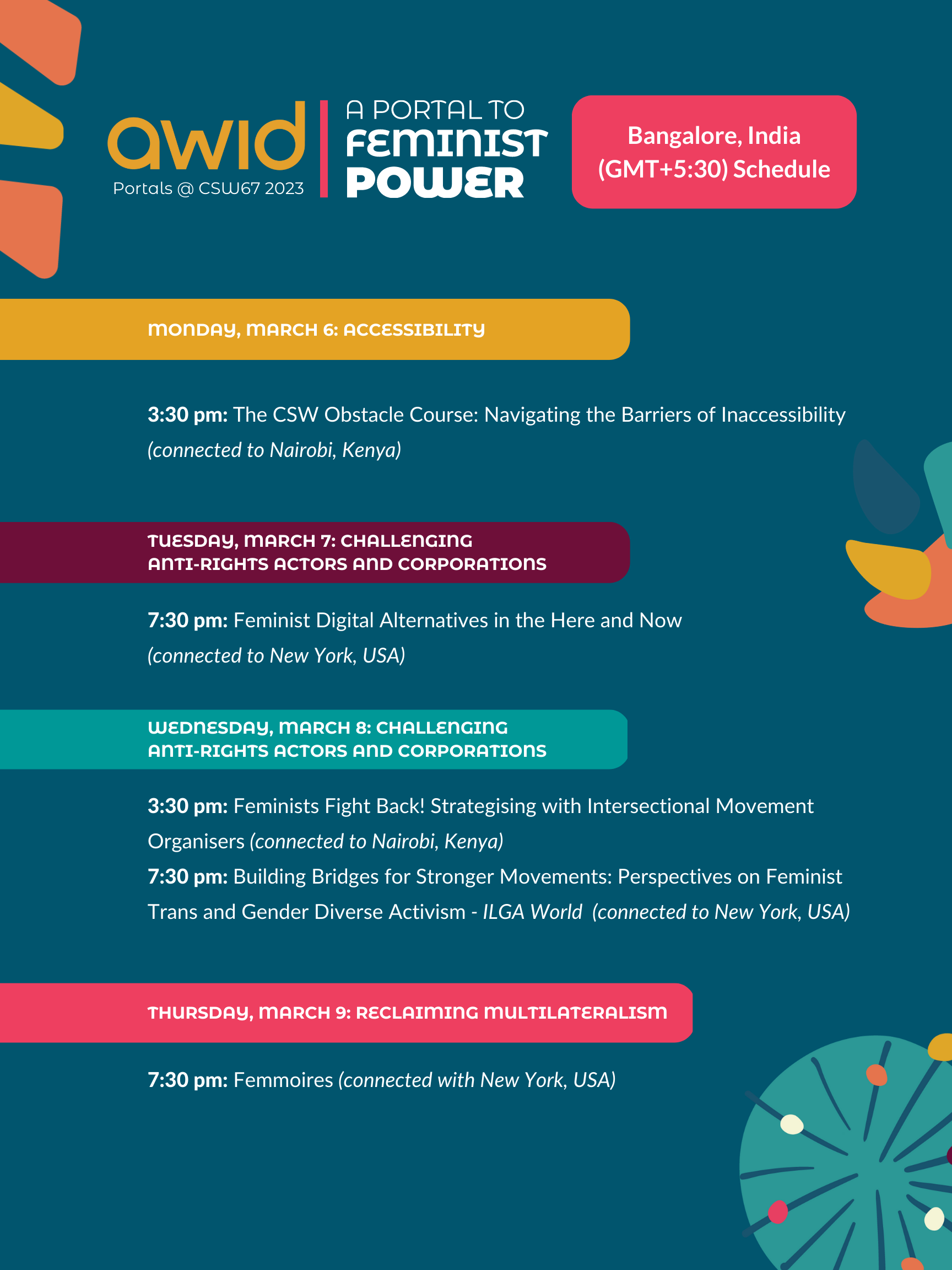
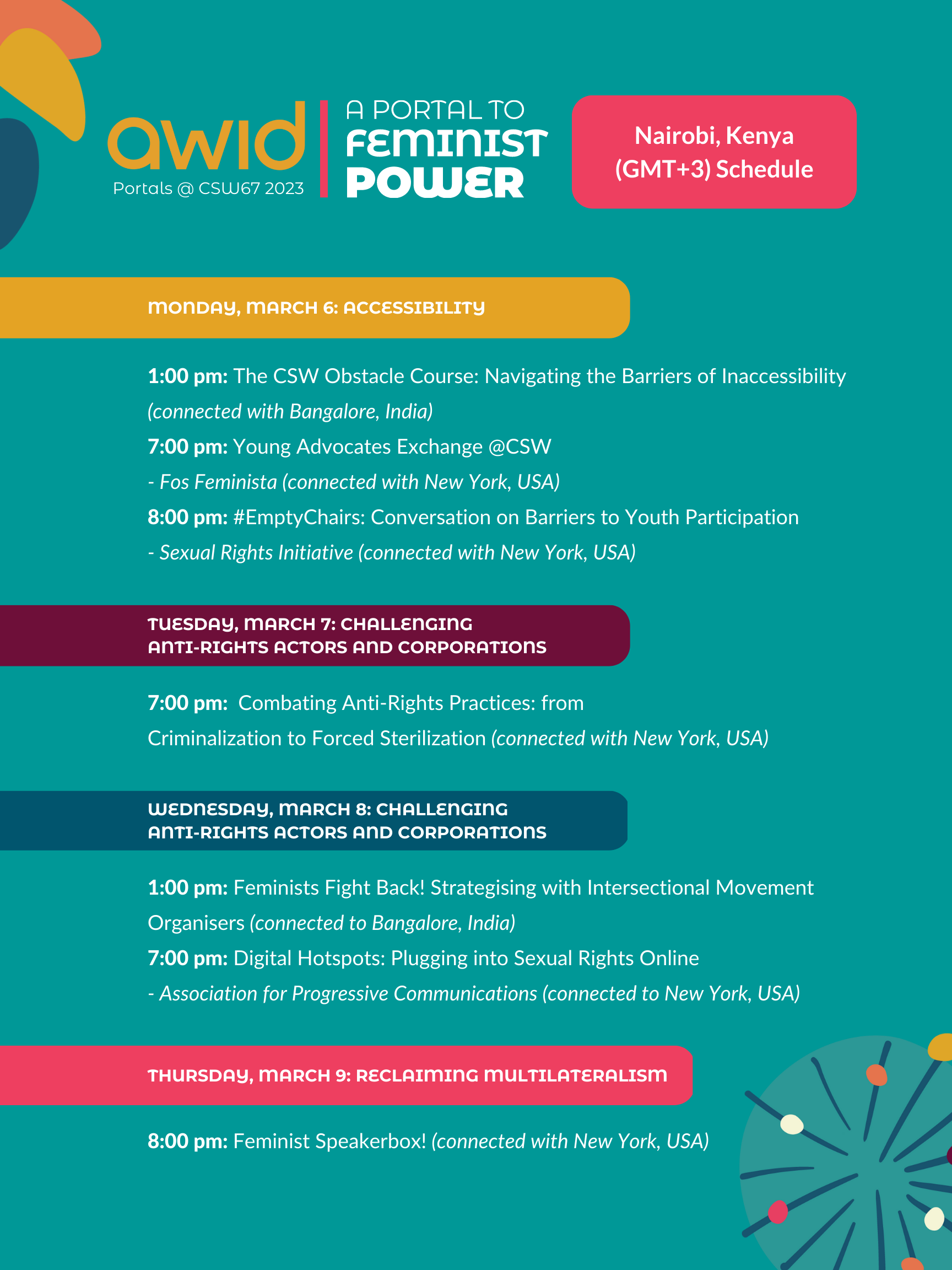
This week, we’re putting a virtual spin on CSW by connecting and amplifying feminist activists' voices, to challenge the discriminatory barriers that limit participation and influence. By setting up connecting “portals” in New York City, Nairobi & Bangalore, we'll host a physical-virtual hybrid space for feminists to connect their struggles and build collective power.
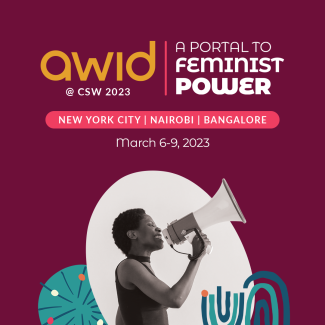
Day 1: March 6 - Accessibility
Day 2: March 7- Challenging Anti-Rights Actors And Corporations
Day 3: March 8 - Challenging Anti-Rights Actors And Corporations
Day 4: March 9- Reclaiming Multilateralism
Download full program here (PDF)
Bangalore Schedule (PNG) Nairobi Schedule (PNG) New York City Schedule (PNG)

«Mi misión en la vida no es meramente sobrevivir sino florecer y hacerlo con pasión, compasión, humor y estilo.» - Maya Angelou
El Foro Internacional de AWID es un evento de la comunidad global y, a la vez, un espacio para una transformación personal radical . Es un encuentro único: el Foro reúne los movimientos feministas, por los derechos de las mujeres, por la justicia de género, LBTQI+ y aliados, en toda nuestra diversidad y humanidad, para conectarnos, sanar y florecer. El Foro es un lugar donde lxs feministas del Sur Global y de las comunidades históricamente marginadas ocupan el centro de la escena, elaborando estrategias entre sí y con los movimientos aliados, donantes y creadores de políticas para alterar las relaciones de poder, establecer alianzas e inaugurar un mundo diferente y mejor.
Cuando la gente se reúne a escala global, como personas individuales y como movimientos, se genera una fuerza arrolladora. Únete a nosotrxs en Bangkok, Tailandia, en 2024. Ven a bailar, cantar y rebelarte con nosotrxs.
Cuándo: del 2 al 5 de diciembre de 2024
Dónde: Bangkok, Tailandia, y en línea
Quiénes: Aproximadamente unxs 2.500 feministas de todo el mundo participarán en persona, y otrxs 3.000 participarán de manera virtual
Obtén más información sobre el foro: Consulta las preguntas más frecuentes
con Naike Ledan y Fédorah Pierre-Louis.