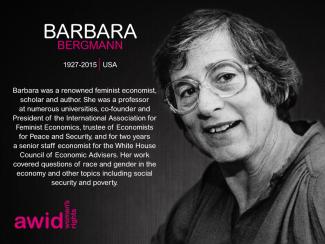
Barbara Bergmann
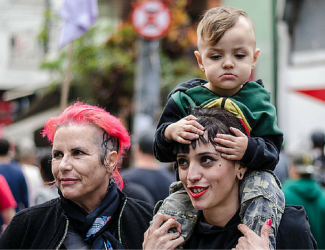
Over the past few years, a troubling new trend at the international human rights level is being observed, where discourses on ‘protecting the family’ are being employed to defend violations committed against family members, to bolster and justify impunity, and to restrict equal rights within and to family life.
The campaign to "Protect the Family" is driven by ultra-conservative efforts to impose "traditional" and patriarchal interpretations of the family, and to move rights out of the hands of family members and into the institution of ‘the family’.
Since 2014, a group of states have been operating as a bloc in human rights spaces under the name “Group of Friends of the Family”, and resolutions on “Protection of the Family” have been successfully passed every year since 2014.
This agenda has spread beyond the Human Rights Council. We have seen regressive language on “the family” being introduced at the Commission on the Status of Women, and attempts made to introduce it in negotiations on the Sustainable Development Goals.
AWID works with partners and allies to jointly resist “Protection of the Family” and other regressive agendas, and to uphold the universality of human rights.
In response to the increased influence of regressive actors in human rights spaces, AWID joined allies to form the Observatory on the Universality of Rights (OURs). OURs is a collaborative project that monitors, analyzes, and shares information on anti-rights initiatives like “Protection of the Family”.
Rights at Risk, the first OURs report, charts a map of the actors making up the global anti-rights lobby, identifies their key discourses and strategies, and the effect they are having on our human rights.
The report outlines “Protection of the Family” as an agenda that has fostered collaboration across a broad range of regressive actors at the UN. It describes it as: “a strategic framework that houses “multiple patriarchal and anti-rights positions, where the framework, in turn, aims to justify and institutionalize these positions.”
We know that first time travel can be exciting but also stressful. In recognition of the many challenges involved, we will be providing more information and details about how to get to Bangkok when Registration opens early next year.
Dans cette BD illustrée par Sophia, suivez les aventures de notre super-héroïne féministe qui dément les récits des antidroits dans le monde entier et sauve la mise aux mouvements féministes.
“I’m no adherent to the concept of the ‘Third World’. I make films so that people - no matter what race or color they are - can understand them. For me there are only exploiters and the exploited, that’s all. To make a film means to take a position.” - Sarah Maldoror
Her groundbreaking film and “revolutionary picture” Sambizanga (1972) follows Angolan militants’ anti-colonial liberation struggle, as well as captures a woman’s perspective in a historical moment she finds herself in.
“For many African filmmakers, cinema is a revolutionary tool, a political education to raise consciousness. It is inscribed in the evolution of a Third Cinema striving to decolonize thought and advocate radical changes in society.” - Sarah Maldoror
Throughout her career, Sarah - together with a number of African and Caribbean artists - co-founded (1956) the first Black theatre troupe in France. She made around 40 films, comprising important documentaries that amplify the lives and work of black artists, including her friend and poet Aimé Césaire who wrote to her:
“To Sarah Maldo
who, a camera in hand,
fights oppression, alienation
and flies in the face
of human bullshit.”
Sarah was also committed to giving African women more ownership of the filmmaking process. In an interview, she pointed out:
"African women must be everywhere. They must be in the images, behind the camera, in the editing room and involved in every stage of the making of a film. They must be the ones to talk about their problems."
Sarah left an incredibly powerful legacy to be carried forward.
Born 19 July 1929, Sarah passed away on 13 April 2020 from complications of the coronavirus.
Watch Sambizanga and read a film review in a 1973 New York Times article

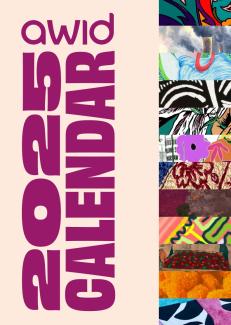
This calendar is a gift to our global feminist community. It is our promise of future connection and movement moments in the year to come. This past year has seen unspeakable injustices. We welcome a new year full of powerful movement spirit, of hopeful solutions and strategies. For a more just world for all.
As you flip through the pages note the diversity of art from our artist members who use their work to amplify and interlink our different movements under the feminist umbrella. Do you see yourself, your movement, your communities in these pages? We encourage you to use this calendar as a practical tool to mark time and space, but also to pencil in occasions to connect with feminists and activists.
This calendar invites us to immerse ourselves in the inspiring world of feminist artistry. Each month, as it gently unfolds, brings forth the vivid artwork of feminist and queer artists from our communities. Their creations are not mere images; they are profound narratives that resonate with the experiences of struggle, triumph, and undying courage that define our collective quest. These visual stories, bursting with color and emotion, serve to bridge distances and weave together our diverse experiences, bringing us closer in our shared missions.
Los idiomas de trabajo de AWID son inglés, francés y español. El tailandés se agregará como idioma local, al igual que el lenguaje de señas y otras medidas de accesibilidad. Es posible que se añadan otras lenguas si la financiación lo permite, así que mantente atentx a las actualizaciones. Nos importa la justicia lingüística y trataremos de incluir tantos idiomas como sea posible y según nuestros recursos lo permitan. Esperamos crear múltiples oportunidades para que muchxs de nosotrxs podamos participar en nuestras lenguas y comunicarnos entre nosotrxs.
بدأنا التخطيط لعدد المجلّة هذا مع نانا داركوا قُبيل مهرجان «ابدعي، قاومي، غيٍّري: مهرجان للحراكات النسوية» لجمعية «حقوق المرأة في التنمية» AWID، وانطلقنا وقتها من سؤالٍ هو بالأحرى ملاحظة حول حالة العالم، ورغبة في تغيير الاعتقادات السائدة: لماذا لا تزال جنسانيّاتنا وملذّاتنا تخضع للترويض والتجريم مع أنّه يتمّ تذكيرنا مراراً وتكراراً بأنّها لا تأتي بأيّ قيمة أو تطوّر؟ واستنتجنا أنّ جنسانيّاتنا، لمّا تتجسّد، فيها ما يتعارض مع النظام العالمي الذي ما زال يتجلّى من خلال ضوابط الحدود، والتمييز العنصري في توزيع اللقاح، والاستعمار الاستيطاني، والتطهير العرقي، والرأسمالية المُستشرية. هل يمكننا إذاً القول إنّ لجنسانيّاتنا قدرةٌ تعطيليّة؟ وهل يصحّ هذا القول عندما ننظر إلى واقع حركاتنا التي يتمّ الاستيلاء عليها ومأسستها في سعيها للتزوّد بالموارد؟
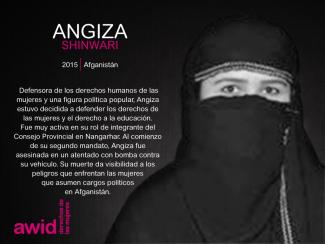
María Digna Montero fue una garífuna (afrodescendiente e indígena) defensora de la tierra e integrante de la Organización Fraternal Negra Hondureña (OFRANEH), una organización de base que trabaja para proteger a las comunidades garífunas, sus derechos ancestrales, su cultura, sus recursos y su territorio.
María también enseñaba en la escuela local, e integraba el grupo de trabajo de Educación Bilingüe Intercultural de OFRANEH.
El 12 de octubre (Día de la Resistencia Indígena) de 2019, sujetos desconocidos le dispararon a María varias veces en el patio de su casa.
Fue una de las seis defensoras garífunas asesinadas entre septiembre y octubre de 2019 y, según OFRANEH, no hubo ninguna investigación de estos crímenes por parte de las autoridades. En un comunicado oficial, la organización también subrayó la conexión entre la violencia contra líderes garífunas y el incremento de las industrias extractivas que explotan los recursos naturales en sus comunidades, y definieron esta violencia como «parte de una estrategia de intimidación y de expulsión sistemática por parte del Estado de Honduras.»
«El recrudecimiento de la tensión y de los riesgos crecientes para la seguridad y derechos humanos de las lideresas en las comunidades y territorios ancestrales es producto del despojo, desplazamiento y criminalización hacia las comunidades, y de los mega proyectos extractivos que impulsa el Estado junto con las corporaciones nacionales e internacionales.» - Pronunciamiento de OFRANEH, 13 de octubre de 2019
El creciente poder de los actores anti-derechos no se está desarrollando en un vacío. Entender el auge del ultranacionalismo, del poder corporativo irrestricto, del incremento de la represión y de la disminución del espacio cívico resulta clave para contextualizar las amenazas anti-derechos que enfrentamos actualmente.
“Je n’avais pas prévu d’être chanteuse; c’est le chant qui avait prévu de m’habiter” - Dorothy Masuka (interview avec Mail & Guardian)
L’une de ses chansons, intitulée "Dr Malan" (du nom de l'homme politique pro-apartheid D.F. Malan) a été censurée. Elle a poursuivi avec l’enregistrement de "Lumumba" (1961), une chanson sur l'assassinat du leader anticolonialiste Patrice Lumumba. Le travail et l'activisme de Dorothy ont alors attiré l'attention de la section spéciale de la police sud-africaine, ce qui la contraignit à un exil politique qui s’étendit sur plus de 3 décennies. Tout au long de cette période, elle travailla avec des groupes pro-indépendantistes, dont le Congrès national africain. En 1992, alors que l'apartheid commençait à s'effondrer et que Nelson Mandela fut libéré de prison, elle retourna en Afrique du Sud.
Parmi ses autres œuvres, on peut citer sa première chanson, enregistrée en 1953 et intitulée "Hamba Notsokolo", qui fut un tube des années 1950 et un grand classique. Elle composa également "El Yow Phata Phata", une chanson adaptée par Miriam Makeba qui contribua à offrir une popularité internationale à "Pata, Pata".
Ancrés dans la résistance, la musique et l’activisme de Dorothy étaient entrelacés et laissent un merveilleux héritage inspirant. Elle était également très connue sous le nom de “Auntie Dot”.
Le 23 février 2019, Dorothy s’est éteinte à Johannesburg à 83 ans des suites d’une maladie.
Regardez l'interview de Dorothy Masuka pour Mail & Guardian (seulement en anglais)
Écoutez sa musique :
Nuevo
Como participante en línea, puedes facilitar actividades, conectarte y conversar con otras personas, y experimentar de primera mano la creatividad, el arte y la celebración del Foro de AWID. Lxs participantes que se conecten en línea disfrutarán de un programa rico y diverso: desde talleres y conversaciones hasta actividades de sanación y espectáculos musicales. Algunas actividades estarán centradas en la conexión entre participantes en línea, y otras serán verdaderamente híbridas, centradas en la conexión y la interacción entre lxs participantes en línea y quienes estén en Bangkok.

Desde siempre el feminismo sostiene que lo personal es político. El Festival Crear, Resister, Transform generó espacios en los que el feminismo pudo discutir las cuestiones relativas al cuerpo, el género y las sexualidades, y analizar las interconexiones de estos asuntos entendidos como experiencias profundas del cuerpo y, a la vez, un terreno en los que los derechos están en constante disputa y riesgo en la sociedad.
El poder de los movimientos feministas radica en el modo de organizarnos y emprender acciones coordinadas, no solo en nuestras propias comunidades y movimientos, sino también con otras causas y grupos aliados por la justicia social. El espacio brindó la oportunidad de que los movimientos compartieran y reforzaran los procesos de organización y las estrategias tácticas de forma mutua.
La pandemia mundial sanitaria del COVID-19 ha puesto de manifiesto como nunca antes el fracaso del capitalismo neoliberal, expuesto las fallas de nuestros sistemas y acentuado la necesidad de construir nuevas realidades y las oportunidades para ello. Una recuperación económica y social feminista exige el trabajo conjunto. Esta edición, en alianza con Kohl: una publicación para la investigación sobre cuerpo y género, analizará soluciones, propuestas y realidades feministas para transformar nuestro mundo actual, nuestros cuerpos y nuestras sexualidades.
Puedes explorar los artículos en línea o
Descargar en PDF
Regularly updated and searchable directory of 200+ funders across different sectors and regions that support vital gender justice work.

L’AWID a le plaisir de partager son rapport annuel 2014.
Du renforcement des connaissances sur les enjeux liés aux droits des femmes à l’élaboration de réponses plus efficaces aux violences perpétrées contre les défenseuses des droits humains, nos efforts de l’an dernier n’ont cessé de poursuivre la consolidation des mouvements féministes et de droits des femmes du monde entier.
Consultez le rapport pour en apprendre davantage sur la façon dont nous avons renforcé les capacités de nos membres et plus largement de notre public , exercé de fortes pressions pour que les droits des femmes demeurent au premier plan des principaux processus internationaux relatifs au développement et aux droits humains, et contribué à améliorer la couverture médiatique des problématiques des droits des femmes et des processus organisationnels qui y sont liés. Le rapport propose une vue panoramique de nos projets ainsi que certains chiffres qui témoignent concrètement de notre impact.
La collaboration est au cœur de toutes nos actions et nous anticipons avec enthousiasme une autre année de travail ensemble afin de mener nos mouvements vers un niveau supérieur.
Dans un contexte de plus en plus exigeant, nous pouvons néanmoins discerner d’importants signes d’espoir de voir les priorités relatives aux droits des femmes progresser. Les activistes des droits des femmes jouent toujours un rôle crucial dans la création d’espaces au sein desquels il est possible d’exiger des changements structurels, de soutenir les communautés, de s’opposer à la violence et de préserver les acquis essentiels/ importants/majeurs. Il y a en effet des occasions à saisir pour influencer les nouveaux acteurs et mobiliser des ressources plus abondantes en faveur des organisations de droits des femmes.
Pour ce faire, il est essentiel de mener de solides actions collectives et de renforcer le processus d’organisation des activistes des droits des femmes.

Je suis sincèrement enchantée par tout ce qu’a réalisé l’AWID depuis 1982 et j’espère être en mesure d’apporter ma contribution, même modeste, à ce dur labeur en faveur des femmes et de l’égalité de genre. » — Aleksandra Miletic-Santic, Bosnie Herzégovine