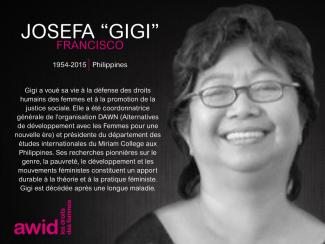
Josefa "Gigi" Francisco
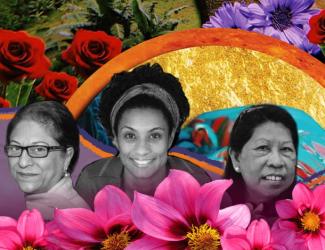
AWID’s Tribute is an art exhibition honouring feminists, women’s rights and social justice activists from around the world who are no longer with us.
This year’s tribute tells stories and shares narratives about those who co-created feminist realities, have offered visions of alternatives to systems and actors that oppress us, and have proposed new ways of organising, mobilising, fighting, working, living, and learning.
49 new portraits of feminists and Women Human Rights Defenders (WHRDs) are added to the gallery. While many of those we honour have passed away due to old age or illness, too many have been killed as a result of their work and who they are.
This increasing violence (by states, corporations, organized crime, unknown gunmen...) is not only aimed at individual activists but at our joint work and feminist realities.
The portraits of the 2020 edition are designed by award winning illustrator and animator, Louisa Bertman.
AWID would like to thank the families and organizations who shared their personal stories and contributed to this memorial. We join them in continuing the remarkable work of these activists and WHRDs and forging efforts to ensure justice is achieved in cases that remain in impunity.
“They tried to bury us. They didn’t know we were seeds.” - Mexican Proverb
It took shape with a physical exhibit of portraits and biographies of feminists and activists who passed away at AWID’s 12th International Forum, in Turkey. It now lives as an online gallery, updated every year.
To date, 467 feminists and WHRDs are featured.
Nuestra presencia colectiva trastorna las prácticas institucionales de exclusión en dichos espacios y, a la vez, apoya los procesos de organización de los movimientos en torno a las alternativas feministas a los sistemas de opresión.
Súmate a las conversaciones desde el 10 al 21 de marzo de 2025, mientras transformamos de forma colectiva la CSW69 en espacios para y sobre la resistencia y la solidaridad.
Fadila M. was a Soulaliyate tribal activist from Azrou, the Ifrane region of Morocco. She fought against a specific form of land discrimination directed against tribal women.
As part of the Soulaliyate Women’s Land-Use Rights Movement, she worked towards overhauling the framework legislation relating to the management of community property through the 2019 adoption of three projects of laws guaranteeing the equality of women and men.
According to the customary laws in force, women had no right to benefit from the land, especially those who were single, widowed or divorced. The rights to collective land in Morocco were transmitted traditionally between male members of a family of over 16 years of age. Since 2007, Fadila M. had been part of the women’s movement, the first grassroots nationwide mobilization for land rights. Some of the achievements included that in 2012 for the first time Soulaliyate women were able to register on the lists of beneficiaries and to benefit from compensation relating to land cession. The movement also managed to get the 1919 dahir (Moroccan King's decree) amended to guarantee women the right to equality.
Fadila M. died on 27 September 2018. The circumstances of her death are unclear. She was part of a protest march connected to the issue of collective land and while authorities reported her death as being accidental, and her having a cardiac arrest on the way to the hospital, the local section of the Moroccan Association of Human Rights (AMDH) pointed out that Fadila was suffocated by a member of the police force using a Moroccan flag. Her family requested investigation but the results of the autopsy were not known.
Find out more about the Soulaliyate Women’s Land-Use Rights Movement
Please note: As there was no photograph/image of Fadila M. available to us, the artwork (instead of a portrait) aims to represent what she fought and worked for; land and rights to live and have access to that land and what grows on it.

Veena Singh es una isleña de Fiyi, feminista y mujer de color Nacida y criada en un pequeño pueblo rural de Fiyi, su fuerza proviene de su rica herencia mixta (su madre es una mujer fiyiana indígena y su padre es fiyiano de ascendencia India). La identidad y las experiencias vividas de Veena han influido profundamente en su compromiso con la justicia, la equidad y la inclusión. Con más de dos décadas de experiencia en derechos humanos, igualdad de género, desarrollo comunitario e inclusión social, Veena es una activista apasionada por la reconfiguración del poder para crear un cambio transformativo y construir una «economía de la amabilidad» Su trabajo se expande por diversas áreas que incluyen: desarrollo comunitario, mujeres, paz y seguridad, políticas sociales, derechos humanos y defensa de políticas.
Veena está profundamente comprometida en hacer avanzar la inclusión, la paz y la justicia, los derechos sexuales y por la justicia reproductiva (SRHR, por sus siglas en inglés), la justicia climática y los derechos humanos. Aporta un gran acervo de experiencia trabajando con redes de base, organizaciones internacionales e instituciones gubernamentales, siempre con foco en los abordajes locales y liderados por la comunidad y los principios feministas.
Fuera de su ‘vida de oficina’, Veena es activista por el medio ambiente, defensora de la salud mental y escritora. Es la mamá de 11 gatos, se viste con sari y es amante del correo postal y las postales. Como observadora atenta de los movimientos feministas en Fiyi y el Pacífico, Veena está en un recorrido personal para «decolonizar la mente y el yo a través de la autoreflexión radical» Sobre todo, la impulsa el deseo y el sueño de producir una escritura convocante y resonante que conecte con la diáspora del Pacífico y difunda las voces de los márgenes.
Regularly updated and searchable directory of 200+ funders across different sectors and regions that support vital gender justice work.
Rosa Cándida Mayorga Muñoz fue una trabajadora social guatemalteca, líder sindical y defensora de los derechos laborales. La llamaban cariñosamente «Rosita».
En la década de 1980, Rosa se convirtió en la primera mujer integrante del Comité Ejecutivo del Sindicato de Trabajadores del Instituto Nacional de Electrificación (STINDE), un sindicato al que se había incorporado originalmente para defender los derechos laborales de las mujeres. Para ella, esto significaba luchar por la igualdad de oportunidades en una empresa en la que muchas mujeres enfrentaban un sistema discriminatorio y violento creado por las autoridades de la compañía. Rosa también había sufrido acoso sexual en su lugar de trabajo, tanto por parte de sus compañeros de trabajo, como de los funcionarios. Sin embargo, no era alguien a quien se pudiera acallar.
Rosa continuó con su pelea y fue parte del esfuerzo por configurar la lucha en una forma más específica, la del «Pacto colectivo de condiciones de trabajo INDE -STINDE». Este pacto fue pionero: el primero en tipificar el concepto de acoso (sexual) en Guatemala. Sirve como referencia para la legislación guatemalteca en temas laborales, y es un estímulo para otros sindicatos.
«No tenía herramientas de lucha más que sus propios ideales... Muchas veces fue intimidada, hostigada para dejar por un lado la lucha, pero su valentía a enfrentar generaba la imagen de la esperanza para los sindicalistas de bases. Rosita se trazó una imagen de respeto, no solo dentro de su sindicato, sino ante las autoridades de la institución, ante el movimiento de mujeres; fue reconocida, como pionera, del movimiento de mujeres sindicalistas, en un espacio que había sido más desarrollado por hombres.» - Maritza Velasquez, ATRAHDOM
Rosa falleció el 4 de abril de 2018, a la edad de 77 años.
Avec plus de 30 ans d'expérience en finance, Christine a consacré sa carrière à développer les missions non lucratives à l'échelle mondiale. Ses contributions vont jusqu’au poste de trésorière du conseil d'administration d'une ONG. Christine a rejoint l'AWID en 2007 comme contrôleuse, puis en tant que directrice des finances depuis 2023. Pendant son temps libre, elle aime voyager, jardiner et faire de la randonnée.

Filter your search by funders’ priority support areas that speak to your organizing efforts
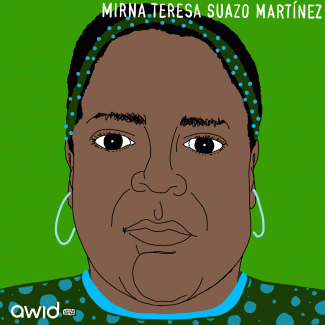
Mirna Teresa Suazo Martínez faisait partie de la communauté garifuna (afro-descendante et autochtone) Masca et vivait sur la côte nord des Caraïbes du Honduras. Elle était leader de sa communauté et fervente défenseure du territoire autochtone, une terre qui a été violée le jour où l'Institut national agraire du Honduras a accordé des licences territoriales à des personnes extérieures à la communauté.
Ce fait déplorable a été à l'origine de harcèlements, d'abus et de violences répétés contre Masca, où les intérêts économiques de différents groupes se sont heurtés à ceux des forces armées et des autorités honduriennes. Selon l'Organisation fraternelle noire du Honduras (OFRANEH), la stratégie de ces groupes consiste à expulser et exterminer la population autochtone.
« Masca, la communauté garifuna située près de la vallée du Cuyamel, se trouve dans la zone d’influence de l’une des villes présumées modèles, une situation qui a déclenché des pressions territoriales le long de la côte garifuna. » - OFRANEH, 8 septembre 2019
Mirna Teresa, présidente du conseil d'administration de la communauté de Masca à Omoa, avait elle aussi fermement rejeté la construction de deux centrales hydroélectriques sur la rivière Masca, qui porte le même nom que sa communauté.
« La communauté garífuna attribue l'aggravation de la situation dans leur région à son opposition à l'exploitation touristique, à la monoculture de palmiers africains et au trafic de drogue, tandis qu'elle cherche parallèlement à construire une vie alternative au travers de la culture de la noix de coco et d'autres produits d'autoconsommation ». - Voces Feministas, 10 septembre 2019
Mirna Teresa a été assassinée le 8 septembre 2019 dans son restaurant « Champa los Gemelos ».
Elle est l'une des six femmes défenseures garifunas à avoir été assassinées rien qu'entre septembre et octobre 2019. Selon l'OFRANEH, les autorités n'ont pas mené d'enquête sur ces crimes.
« En ce qui concerne les communautés garífuna, une grande partie des homicides sont liés au régime foncier et à la gestion des terres. Cependant, les querelles entre les organisations criminelles ont abouti à des meurtres, à l’instar de ceux ayant eu lieu récemment à Santa Rosa de Aguán ». - OFRANEH, 8 septembre 2019
Ekaete Judith Umoh es una defensora internacional de los derechos de las personas con discapacidad y experta en desarrollo inclusivo, con un agudo análisis de las cuestiones relativas al género, la discapacidad y el desarrollo inclusivo. Su sueño es aumentar la visibilidad de las mujeres y niñas con discapacidad dentro del movimiento feminista internacional y en todos las iniciativas para el desarrollo en el mundo.
Ekaete disfruta con el activismo y la política, y llegó a convertirse en la primera mujer elegida presidenta de la Asociación Nacional Conjunta de Personas con Discapacidad -JONAPWD(www.jonapwd.org ), en Nigeria, donde lideró a organizaciones por los derechos de las personas con discapacidad en las luchas por convertir en ley el Proyecto de Ley de Prohibición de la Discriminación contra las Personas con Discapacidad en Nigeria, tras más de 17 años de trabajo constante de incidencia. Posteriormente, se incorporó a CBM Global como Directora de País pionera y dirigió su equipo durante unos tres años, contribuyendo a acabar con el círculo de pobreza y discapacidad en Nigeria. Aparte del activismo en defensa de las personas con discapacidad, Ekaete ha trabajado como consultora para varias agencias de desarrollo, proporcionando asistencia técnica sobre la inclusión de la discapacidad en el diseño de programas y proyectos.
Source: Centro de população de rua da cidade de São Paulo
 |
Abandoned / Unoccupied Buildings |
 |
||
Population living in the streets |
||||
|
31,000 |
40.000 |
"¿Dónde está el dinero para las organizaciones feministas?
¿Cuánto sabes sobre la movilización de recursos feminista? Responde el cuestionario de AWID “¿Dónde está el dinero para las organizaciones feministas?” y pon a prueba tus conocimientos
Responde el cuestionario en línea Descárgalo e imprímelo.
“I do not know a lot about spirituality or what happens when we die, but my crip queer Korean life makes me believe that our earthly bodyminds is but a fraction, and not considering our ancestors is electing only to see a glimpse of who we are.” - Stacey Park Milbern
Stacey, along with some friends, co-created the Disability Justice Culture Club, a group working to support various and especially vulnerable communities, including helping homeless people gain access to resources during the COVID-19 pandemic.
She was also a co-producer of an impact campaign for Netflix’s documentary “Crip Camp”, a board member of the WITH Foundation, and led organizations at local, state and national levels. Stacey wrote beautifully and powerfully:
“My ancestors are people torn apart from loves by war and displacement. It’s because of them I know the power of building home with whatever you have, wherever you are, whoever you are with. My ancestors are queers who lived in the American South. It’s because of them I understand the importance of relationships, place and living life big, even if it is dangerous. All of my ancestors know longing. Longing is often our connecting place...” - Stacey Park Milbern
She was born in Seoul, Korea and grew up in North Carolina, later continuing her journey in the San Francisco Bay Area. Stacey passed away of complications from surgery on her 33rd birthday on 19 May 2020.
Read an essay by Stacey Park Milbern
Listen to an interview with Stacey Park Milbern
#StaceyTaughtUs: Record your story for the Disability Visibility Project
“She was, a lot of people would say, a leader. She kind of encompassed all of it. You know, sometimes there's like a lead from the front, lead from the middle, lead from the back. And she was just somehow able to do all of that.” - Andraéa LaVant, disability rights activist
“What a blow to lose Stacey when our communities need her leadership more than ever, and at a time when her strength, insight, and grit were receiving increased recognition outside of disability circles, giving her a greater platform to advance her life’s work...We will not have the gift of learning where her charismatic leadership would have taken us. But let there be no doubt: What Stacey gave us, in a relatively short time, will continue benefiting others for years to come.” - Disability Rights Education and Defense Fund (DREDF)

Alejandra es una apasionada de los derechos de las mujeres y la justicia de género. Sueña con crear un mundo centrado en el cuidado de las personas y de la naturaleza. Como experta feminista en derechos humanos, ha trabajado en las intersecciones de la justicia de género, climática, social y económica en varias organizaciones internacionales. Sus áreas de experticia incluyen la construcción de conocimiento y de la creación conjunta, la investigación, la facilitación y la incidencia. Tiene un título de maestría de la Universidad de Essex, y es autora y colaboradora de muchas publicaciones, que incluyen el artículo «Enraged: Women and Nature». La campaña Feminist Activism Without Fear se basa en entrevistas e investigaciones realizadas por Alejandra.
Nacida en Argentina, durante las últimas dos décadas ha vivido y trabajado en varios países de Europa y América Latina. Alejandra ama la fotografía, el mar, cocinar con su hija y disfrutar de la comida de todo el mundo. Como madre, su objetivo es cambiar los modelos y patrones establecidos. Alejandra obtiene energía e inspiración de las increíbles mujeres de su vida, que están distribuidas en muchos rincones del mundo.
 |
 |
 |
 |
 |
 |
 |
 |
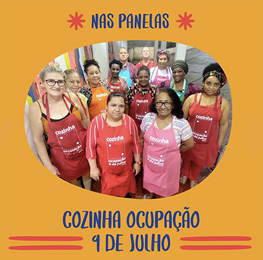
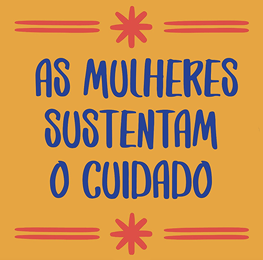
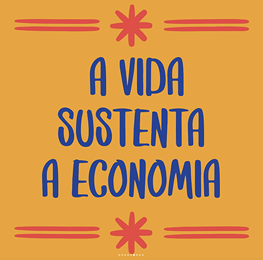
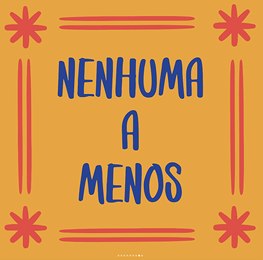
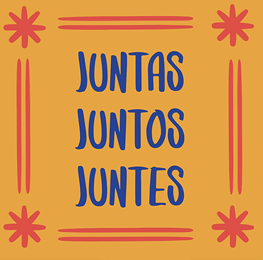
Las Mujeres Sostienen el Cuidado | El Cuidado Sostiene la Vida | La vida Sostiene la Economía | ¿Quién Cuida a las Mujeres? | Ni Una Menos1 | Juntas, Juntos, Juntes | Almuerzo de Domingo
1Nenhuna a menos se traduce literalmente como "ni una menos" en español, un eslogan feminista famoso en América Latina que surgió en Argentina como respuesta a la creciente violencia de género.