Special Focus

AWID is an international, feminist, membership organisation committed to achieving gender equality, sustainable development and women’s human rights

Confronting Extractivism & Corporate Power

Women human rights defenders (WHRDs) worldwide defend their lands, livelihoods and communities from extractive industries and corporate power. They stand against powerful economic and political interests driving land theft, displacement of communities, loss of livelihoods, and environmental degradation.


Why resist extractive industries?

Extractivism is an economic and political model of development that commodifies nature and prioritizes profit over human rights and the environment. Rooted in colonial history, it reinforces social and economic inequalities locally and globally. Often, Black, rural and Indigenous women are the most affected by extractivism, and are largely excluded from decision-making. Defying these patriarchal and neo-colonial forces, women rise in defense of rights, lands, people and nature.

Critical risks and gender-specific violence

WHRDs confronting extractive industries experience a range of risks, threats and violations, including criminalization, stigmatization, violence and intimidation.  Their stories reveal a strong aspect of gendered and sexualized violence. Perpetrators include state and local authorities, corporations, police, military, paramilitary and private security forces, and at times their own communities.

Acting together

AWID and the Women Human Rights Defenders International Coalition (WHRD-IC) are pleased to announce “Women Human Rights Defenders Confronting Extractivism and Corporate Power”; a cross-regional research project documenting the lived experiences of WHRDs from Asia, Africa and Latin America.

We encourage activists, members of social movements, organized civil society, donors and policy makers to read and use these products for advocacy, education and inspiration.

Share your experience and questions!

Tell us how you are using the resources on WHRDs Confronting extractivism and corporate power.

◾️ How can these resources support your activism and advocacy?

◾️ What additional information or knowledge do you need to make the best use of these resources?

Share your feedback


Thank you!

AWID acknowledges with gratitude the invaluable input of every Woman Human Rights Defender who participated in this project. This project was made possible thanks to your willingness to generously and openly share your experiences and learnings. Your courage, creativity and resilience is an inspiration for us all. Thank you!

Related Content

Dorothy Masuka

«Yo no planeaba ser una cantante, el canto planeó estar en mí.» - Dorothy Masuka (entrevista de Mail & Guardian)

Dorothy Masuka, nacida en 1935 en Bulawayo (en ese momento Rodesia del Sur, ahora Zimbabue), creció en Sudáfrica, y se convirtió en una reconocida compositora, cantante de jazz, activista, y defensora ferviente de  la lucha contra el apartheid. Definida como «una arquitecta del discurso de la música popular africana de liberación», Dorothy a menudo cantaba sobre política en lenguas indígenas africanas y, a través de todo su trabajo, confrontó las políticas racistas del gobierno sudafricano.

Una de estas canciones, titulada «Dr. Malan» (por el político pro-apartheid D.F. Malan) fue prohibida. Luego, en 1961, grabó «Lumumba», una canción sobre el asesinato del líder anticolonial Patrice Lumumba. El trabajo y el activismo de Dorothy atrajeron la atención de la División Especial de la policía sudafricana, y fue forzada a un exilio político que se prolongaría durante tres décadas. Durante ese tiempo, trabajó con grupos independentistas, incluido el Congreso Nacional Africano. En 1992, cuando el apartheid comenzó a desmoronarse y Nelson Mandela fue liberado de prisión, Dorothy regresó a Sudáfrica.

Su trabajo incluye la primera canción que grabó, en 1953, titulada «Hamba Notsokolo», que fue un éxito durante la década de 1950, y hoy es un clásico muy valorado. También escribió «El Yow Phata Phata», una canción que fue adaptada por Miriam Makeba, quien hizo de «Pata, Pata» un hit internacional.

Arraigados en la resistencia, la música y el activismo de Dorothy (popularmente conocida como «Auntie Dot» [«Tía Dot»]) estaban entretejidos, y dejaron un legado magnífico e inspirador.

Dorothy falleció en Johannesburgo el 23 de febrero de 2019 a la edad de 83 años, por problemas de salud.


Entrevista a Dorothy Masuka de Mail & Guardian (en inglés)

Escucha su música:
Hamba Nontsokolo
El Yow Phata Phata
 

Snippet Opening Dance Performance EN

Opening Dance Performance

By Pia Love

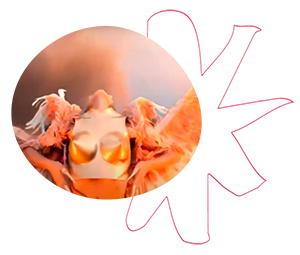
dancer with angel wings

watch performance

Si la langue des signes utilisée pour l’activité n’est pas la langue des signes internationale, y aura-t-il un appui en interprétation dans d’autres langues des signes ?

Si votre activité est acceptée, l’équipe de l’AWID vous contactera pour évaluer et répondre aux besoins d’interprétation et d’accessibilité pour votre activités.

Faten Nabhan

Add to stories
Off

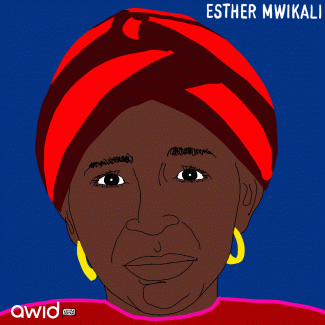
Esther Mwikali

Esther Mwikali habitait dans le village de Mithini, dans le comté de Murang’a au Kenya. Activiste des droits fonciers, importante et appréciée, elle travaillait sur les abus à l’égard de squatters vivant sur des terres revendiquées par des magnats. Esther a participé à une enquête qui comprenait également des violations de droits fonciers à Makaya par de puissants individus.  

Suite à l’absence d’Esther lors d’une réunion de village, une équipe de patrouille est partie à sa recherche. Le 27 août 2019, deux jours après sa disparition, on retrouva son corps dans une ferme proche de sa propriété, montrant des signes de torture. Elle fut sauvagement assassinée. 

« Esther était reconnue pour son travail auprès des membres de la communauté, empêchant les évictions de terres revendiquées des magnats. Les activistes du coin n’ont aucun doute sur le lien entre son meurtre et les luttes constantes pour les terres dans la région. C’est un tragique rappel de la fréquence alarmante d’assassinats extrajudiciaires régulièrement menés au Kenya » - Global Wittness Report, juillet 2020

« Nous associons la mort de Mwikali aux luttes pour les terres par ici. Nous demandons au gouvernement de mener une enquête sur ce sujet au plus tôt. » - James Mburu, porte-parole des squatters

« Des mesures devraient être prises à l’égard des individus suspectés d’avoir menacé les squatters, et notamment la famille Mwikali. » - Alice Karanja, National Coalition of Human Rights Defenders (coalition nationale des défenseur·e·s des droits humains)

« L’impact de son travail et sa ténacité demeureront encore en vie pour les prochaines décennies au Kenya. CJGEA console avec les personnes endeuillées et appelle à la justice. » - Center for Justice and Governmental Action (Centre pour la justice et l’action gouvernementale, CJGEA) communiqué de presse, 13 septembre 2019

Snippet She is on her way_Fest (ES)

Sesión plenaria:

"Ella está en camino":
Alternativas, feminismos y otro mundo

Felogene Anumo, AWID
Dr. Vandana Shiva, India
Dr. Dilar Dirik, Kurdistan
Nana Akosua Hanson, Ghana

ver plenaria


ทำไมจึงเป็นกรุงเทพ

ฟอรัมแต่ละครั้งถูกจัดขึ้นในภูมิภาคต่างๆทั่วโลก และครั้งนี้ AWID ฟอรัมกลับมาจัดที่เอีเชียอีกครั้ง! เราได้ผ่านการไปเยี่ยมเยือนประเทศต่างๆในเอเชียเพื่อหารือกับขบวนการเฟมินิสต์เพื่อประเมินรายละเอียดด้านโลจิสติกส์ การเข้าถึงง่าย ความปลอดภัย วีซ่า และความพร้อมด้านอื่นๆ โดยคณะกรรมการ AWID ของเรา อนุมัติให้จัดที่กรุงเทพอย่างกระตือรือร้นในฐานะทางเลือกที่ดีที่สุด เราตื่นเต้นที่ได้กลับมากรุงเทพที่ที่เราเคยได้จัด AWID ฟอรัมในปีพ.ศ. 2548

Who are AWID's members?

A dynamic network of people around the world, AWID members are researchers, academics, students, educators, activists, business people, policy-makers, development practitioners, funders, and more. Our members - of every age - are those who make AWID a unique global feminist association.

Membership with AWID is open to anyone who shares our values

We offer different types of memberships geared to income level and whether you are an individual or an organization. Currently we have over 5000 members, individual and institutional, from 164 countries.

Our members are an important part of our work

We collaborate for advocacy on specific issues, members vote in elections for our Board, and can also participate in and contribute to our Priority Areas through webinars, surveys, or urgent actions, for example.

Our institutional membership draws from a broad range of organizations interested in advancing gender justice and women’s human rights, including women’s rights organizations, from the local to the global levels, grassroots networks, major international institutions, government departments, university programs and more. 63% of our members are from the global South and 38% are under the age of 30.

Learn more about our membership

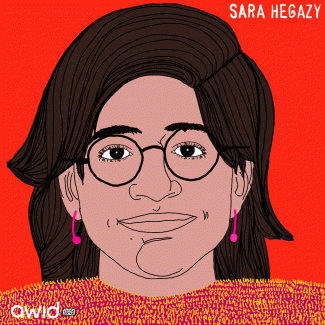
Sara Hegazy

Sara Hegazy, a bold Egyptian LGBTQI+ rights activist, lived in a society where the members of her community, their bodies and lives often face lethal prejudice. The roots of Sara’s resistance were in the deconstruction of a dominant, oppressive and patriarchal system, and its anti-rights actors.

"[In Egypt], every person who is not male, Muslim, Sunni, straight, and a supporter of the system, is rejected, repressed, stigmatized, arrested, exiled, or killed. This matter is related to the patriarchal system as a whole, since the state cannot practice its repression against citizens without a pre-existing oppression since childhood." - Sara Hegazy wrote on March 6, 2020

The suppression of Sara’s voice by the Egyptian government reached its violent peak in 2017, when she was arrested for raising a rainbow flag at the Mashrou’ Leila (Lebanese band whose lead vocalist is openly gay) concert in Cairo. What followed were charges of joining an illegal group along with “promoting sexual deviancy and debauchery”. 

"It was an act of support and solidarity — not only with the [Mashrou' Leila] vocalist but for everyone who is oppressed...We were proud to hold the flag. We wouldn't have imagined the reaction of society and the Egyptian state. For them, I was a criminal — someone who was seeking to destroy the moral structure of society." - Sara Hegazy

Sara was jailed for three months, where she was tortured and sexually assaulted. In January 2018, after being released on bail, she sought asylum in Canada where she was safe but imprisoned by the memories of the abuse and violence her body and soul had gone through.

"I left this experience after three months with a very intense, serious case of PTSD [post-traumatic stress disorder]. Prison killed me. It destroyed me." - Sara Hegazy told NPR

Sara took her own life on 14 June 2020, leaving a handwritten note in Arabic: 

“To my siblings – I tried to find redemption and failed, forgive me.”
“To my friends – the experience [journey] was harsh and I am too weak to resist it, forgive me. 
“To the world – you were cruel to a great extent, but I forgive.”

Her legacy and courage will be carried forward by those who love her and believe in what she fought for.


Tributes:

“To Sarah: Rest, just rest, spared from this relentless violence, this state-powered lethal patriarchy. In rage, in grief, in exhaustion, we resist.”  - Rasha Younes, an LGBT rights researcher at Human Rights Watch. Read the complete text

Mashrou’ Leila’s lead vocalist sings tribute to Sara Hegazy

Tributes on Twitter 

Documentary about Sara Hegazy’s life

Website dedicated to Sara Hegazy and to those, especially LGBTQI voices, not able to grieve in public
 

Snippet Day 14_Fest (FR)

L’histoire derrière Crear, Résister, Transform

Coumba Toure

regardez la vidéo


Discours de clôture: Et maintenant, où allons-nous?

Cindy Clark, AWID

regardez la vidéo


Fem Joy: Fête de clôture!

DJ Miss Ray
DJ Luana Flores
Phoenix Inana

CFA FAQ - Funding - Thai

การขอทุนสนับสนุนการเข้าร่วม

¿AWID puede financiar mi proyecto de desarrollo?

No, lamentablemente AWID no es una organización financiadora.

No podemos considerar propuestas o solicitudes de financiamiento.

Les invitamos a consultar nuestra lista de donantes que potencialmente puedan financiar su trabajo por los derechos de las mujeres.

Ver la lista de donantes 

Encontrarás más recursos en la página de nuestra área prioritaria «Financiamiento de los movimientos feministas»

Snippet Festival In Review - Presentation (EN)

A Festival For Feminist Movements

Do you want to be inspired by the creative resistance strategies of feminists from all over the world? Do you want to discover feminist initiatives that show us how we can all live in a more just world? Do you want to learn about models of feminist care and healing to bring to your own community? Is that a resounding yes that we hear? YES!

Then check out Crear | Résister | Transform: a festival for feminist movements. This festival took place virtually throughout the month of September 2021 across all of AWID’s platforms, and now you can experience it on your own time.

The Festival was a multicultural and multilingual experience.

The panelists participated in their preferred language and at AWID we included subtitles on the videos for your accessibility.

هل هناك منهجية مفضلة للجلسات؟

تقترح الدعوة للتقدم بالمقترحات عددًا من التنسيقات والمنهجيات المقترحة. كن/ كوني مبدعًا/ة وتأكد/ي من قراءة قسم "ما تحتاج/ين إلى معرفته".

Je suis une jeune féministe. Comment m’impliquer au sein de l’AWID ?

Les jeunes féministes sont au cœur de l’action de l’AWID.

De fait, 38 % de nos membres sont ont moins de 30 ans.

Nous estimons que les jeunes féministes représentent le présent et l’avenir de la lutte pour les droits des femmes. Nous encourageons les jeunes femmes à devenir des leaders du mouvement et notre programme « Activisme des jeunes féministes » est transversal à tous les autres aspects de notre travail.

Dans le même temps, en définissant les jeunes féministes comme l'un de nos domaines prioritaires, nous apportons de nouvelles perspectives aux débats actuels et veillons à ce que les jeunes activistes puissent exprimer clairement leurs priorités et leurs inquiétudes.

En savoir plus sur le programme Activisme des jeunes féministes

Snippet Relive the Festival_Fest (EN)

Relive the Festival