.

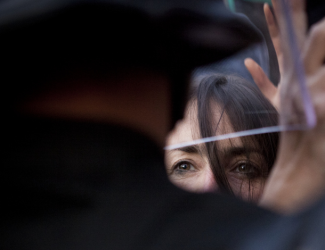
WHRDs are self-identified women and lesbian, bisexual, transgender, queer and intersex (LBTQI) people and others who defend rights and are subject to gender-specific risks and threats due to their human rights work and/or as a direct consequence of their gender identity or sexual orientation.
WHRDs are subject to systematic violence and discrimination due to their identities and unyielding struggles for rights, equality and justice.
The WHRD Program collaborates with international and regional partners as well as the AWID membership to raise awareness about these risks and threats, advocate for feminist and holistic measures of protection and safety, and actively promote a culture of self-care and collective well being in our movements.
WHRDs are exposed to the same types of risks that all other defenders who defend human rights, communities, and the environment face. However, they are also exposed to gender-based violence and gender-specific risks because they challenge existing gender norms within their communities and societies.
We work collaboratively with international and regional networks and our membership
We aim to contribute to a safer world for WHRDs, their families and communities. We believe that action for rights and justice should not put WHRDs at risk; it should be appreciated and celebrated.
Promoting collaboration and coordination among human rights and women’s rights organizations at the international level to strengthen responses concerning safety and wellbeing of WHRDs.
Supporting regional networks of WHRDs and their organizations, such as the Mesoamerican Initiative for WHRDs and the WHRD Middle East and North Africa Coalition, in promoting and strengthening collective action for protection - emphasizing the establishment of solidarity and protection networks, the promotion of self-care, and advocacy and mobilization for the safety of WHRDs;
Increasing the visibility and recognition of WHRDs and their struggles, as well as the risks that they encounter by documenting the attacks that they face, and researching, producing, and disseminating information on their struggles, strategies, and challenges:
Mobilizing urgent responses of international solidarity for WHRDs at risk through our international and regional networks, and our active membership.
.
Lorsque vous arriverez au centre-ville de São Paulo, vous verrez le bâtiment Ocupação 9 de Julho (Occupation de l’Avenue du 9 Juillet), un espace culturel et un site important dans la lutte pour le logement social.
C'est le travail du Mouvement des Travailleur·euses Sans-Abri (Movimento dos Sem-Teto do Centro, MSTC), un mouvement de plus de 2000 personnes qui agit dans le centre-ville et convertit les espaces abandonnés en logements pour les travailleur·euses à faible revenu, les enfants, femmes, adultes, personnes âgées, migrant·e·s et réfugié·e·s. Dans ce bâtiment en particulier, 122 familles sont nourries et logées.
Khaoula Ksiksi es una apasionada defensora de la justicia, la equidad y la liberación. Como asesora de género, igualdad, diversidad e inclusión, trabaja en diferentes programas humanitarios y contextos de crisis para que la inclusión sea una realidad, no una mera política. Colabora con diferentes equipos para luchar contra la opresión estructural mediante herramientas audaces y transformadoras basadas en experiencias reales.
Su activismo comenzó al frente del movimiento antirracista de Túnez. Con Mnemty, contribuyó a impulsar la primera ley antidiscriminación del país, lo que forzó un examen de conciencia nacional sobre la injusticia racial. Más tarde fue cofundadora de Voices of Black Tunisian Women (Voces de las Mujeres Negras de Túnez), que tiene por objetivo ampliar el liderazgo de las mujeres negras, construir redes de solidaridad y exigir su visibilidad en una sociedad que a menudo las silencia.
Khaoula es también miembro fundadora de Falgatna, un movimiento queer-feminista radical que lucha por los derechos relativos a la orientación sexual, la identidad y la expresión de género y las características sexuales (SOGIESC, por sus siglas en inglés) y apoya a las comunidades LGBTQI+ mediante acciones directas, la resistencia digital y una militancia enfocada en las personas sobrevivientes.
Anteriormente, lideró proyectos feministas y de justicia climática regionales de la Fundación Rosa Luxemburgo en África del Norte y África occidental.
El corazón de su trabajo abriga una convicción bien arraigada: nadie es libre hasta que todes seamos libres. Su activismo es tanto una lucha como una carta de amor a su gente, a sus comunidades y al mundo que merecemos.

Black women community organizing in the Cauca Valley in Colombia can be traced back to the country's colonial past, which is marked by the racism, patriarchy, and capitalism that sustained slavery as a means to exploit the region’s rich soils. These organizers are the heroines of a broad movement for black autonomy - one that fights for the sustainable use of the region's forests and natural resources as vital to their culture and livelihood.
For 25 years, the Association of Afro-Descendant Women of the Northern Cauca (Asociación de Mujeres Afrodescendientes del Norte del Cauca, ASOM) has been dedicated to bringing power to Afro-Colombian women’s organizing in northern Cauca.
They became established in 1997 as a response to ongoing human rights violations, the absence of public policies, inadequate management of natural resources, and the lack of opportunities for women in the territory.
They have forged the struggle to secure ethnic-territorial rights, to end violence against women, and gain recognition of women’s roles change-making peace-building in Colombia.
📅Lunes 11 de marzo
🕒4:30 p. m. - 6:00 p. m. EST
Organizan:AWID, IJSC y NAWI
🏢 Church Center de las Naciones Unidas, 777 United Nations Plaza, piso 11, Nueva York.
(Interpretación disponible en francés y español)
Trabajamos para alcanzar la justicia de género y los derechos humanos de las mujeres mediante el fortalecimiento de la voz colectiva, el impacto y la influencia de las/os activistas, organizaciones y movimientos por los derechos de las mujeres de todo el mundo.

.

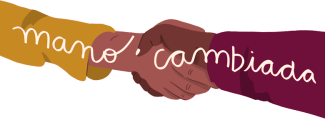
Término de las comunidades negras del Norte del Cauca para la minga, el trabajo colaborativo en fincas, basado en el apoyo mutuo y la solidaridad.
Día 3

¿Cuánto sabes sobre financiamiento feminista? 📊 Pon a prueba tu conocimiento sobre la movilización de recursos para el financiamiento de la organización feminista, respondiendo al cuestionario "¿Dónde está el dinero?":
Completa el quiz en línea Descarga la versión para imprimir
Queremos expresar nuestro más sincero agradecimiento a todos los diversos grupos, colectivos y organizaciones feministas de todo el mundo que respondieron a la encuesta WITM. Su participación y sus puntos de vista han sido inestimables y enriquecerán enormemente nuestra comprensión colectiva de los recursos feministas a nivel mundial.
All our annual reports are accessible online.
