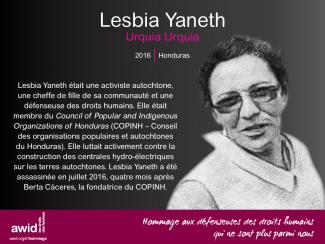
Lesbia Yaneth Urquía Urquía
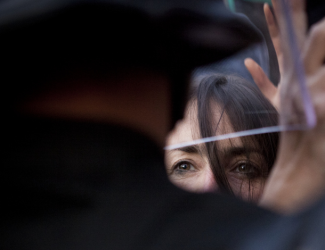
WHRDs are self-identified women and lesbian, bisexual, transgender, queer and intersex (LBTQI) people and others who defend rights and are subject to gender-specific risks and threats due to their human rights work and/or as a direct consequence of their gender identity or sexual orientation.
WHRDs are subject to systematic violence and discrimination due to their identities and unyielding struggles for rights, equality and justice.
The WHRD Program collaborates with international and regional partners as well as the AWID membership to raise awareness about these risks and threats, advocate for feminist and holistic measures of protection and safety, and actively promote a culture of self-care and collective well being in our movements.
WHRDs are exposed to the same types of risks that all other defenders who defend human rights, communities, and the environment face. However, they are also exposed to gender-based violence and gender-specific risks because they challenge existing gender norms within their communities and societies.
We work collaboratively with international and regional networks and our membership
We aim to contribute to a safer world for WHRDs, their families and communities. We believe that action for rights and justice should not put WHRDs at risk; it should be appreciated and celebrated.
Promoting collaboration and coordination among human rights and women’s rights organizations at the international level to strengthen responses concerning safety and wellbeing of WHRDs.
Supporting regional networks of WHRDs and their organizations, such as the Mesoamerican Initiative for WHRDs and the WHRD Middle East and North Africa Coalition, in promoting and strengthening collective action for protection - emphasizing the establishment of solidarity and protection networks, the promotion of self-care, and advocacy and mobilization for the safety of WHRDs;
Increasing the visibility and recognition of WHRDs and their struggles, as well as the risks that they encounter by documenting the attacks that they face, and researching, producing, and disseminating information on their struggles, strategies, and challenges:
Mobilizing urgent responses of international solidarity for WHRDs at risk through our international and regional networks, and our active membership.

การเสวนา: ในการเสวนาให้สำรวจปัญหาหรือความท้าทายจากมุมมองที่แตกต่างกัน หรือแบ่งปัน การเรียนรู้หรือประสบการณ์ ตามด้วยคำถามของผู้ฟังหากมีเวลา
รายการทอล์คโชว์: สนทนาแบบเป็นไปเองในรูปแบบรายการทอล์คโชว์ โดยอาจเป็นการสนทนา ร่วมกันหลายคน มีพิธีกรเป็นผู้ดำเนินรายการ คำถามของผู้ฟังสามารถกำหนดทิศทางของการสนทนาได้
การอภิปราย: วงสนทนาอภิปรายอาจอยู่ในรูปแบบเวิร์ลคาเฟ่ วงอ่างปลา (fishbowls) และรูปแบบอื่นๆ ที่เอื้อให้ผู้เข้าร่วมมีส่วนร่วมในการสนทนามากขึ้น
การประชุมเชิงปฏิบัติการ (workshop): เป็นกิจกรรมเชิงโต้ตอบที่เชิญชวนผู้เข้าร่วมสร้างทักษะใหม่ๆในทุกด้านของชีวิตและการเคลื่อนไหวผ่านกิจกรรมและการปฏิบัติ
หัวข้อยุทธศาสตร์: เป็นการเชิญชวนให้คิดผ่านประเด็นหรือยุทธศาสตร์ในเชิงลึกร่วมกับคนอื่น เปิดพื้นที่ สำหรับเรียนรู้กันและกัน สิ่งใดได้ผล ไม่ได้ผล และเราจะพัฒนายุทธศาสตร์ใหม่ๆร่วมกันเพื่อสร้างโลกที่ เราใฝ่ฝันได้อย่างไร
วงแลกเปลี่ยนของคนแนวเดียวกัน: (หรือที่เรียกว่า "Birds of a Feather") เหมาะสำหรับกลุ่มเล็กๆ ในบรรยากาศที่ใกล้ชิดยิ่งขึ้น เพื่อรับฟังความคิดเห็นของกันและกัน จุดประกาย การอภิปราย และ หยิบยกประเด็นหัวข้อที่เฉพาะเจาะจง ละเอียดอ่อน และซับซ้อนอย่างระมัดระวัง
ศิลปะ - การประชุมเชิงปฏิบัติการแบบมีส่วนร่วม: กิจกรรมศิลปะอย่างมีส่วนร่วม และการแสดงออก อย่างสร้างสรรค์ ไม่ว่าจะเป็นทัศนศิลป์ การละคร ภาพยนตร์ จิตรกรรมฝาผนัง การเต้นรำ ดนตรี งานฝีมือ หรือการสร้างงานศิลปะ ฯลฯ เรายินดีรับทุกแนวคิดที่เชิดชูศิลปะ และความคิดสร้างสรรค์แนวสตรีนิยมใน รูปแบบของการเปลี่ยนแปลงทางสังคม การเยียวยา การแสดงออก และการเปลี่ยนแปลง
ศิลปะ - การแสดง ศิลปะจัดวาง และนิทรรศการ: เรายินดีรับผลงานที่นำเสนอประสบการณ์ และมุมมองใหม่ๆแก่ผู้เข้าร่วมประชุมในเวทีนี้เพื่อขยายขอบเขตของเรา สร้างความท้าทายและสร้าง แรงบันดาลใจ ให้เราคิด รู้สึก และจัดการด้วยวิธีใหม่ๆ
การเยียวยาและบำบัด: กิจกรรมหลากหลายที่เหมาะกับกลุ่มและปัจเจกบุคคล ตั้งแต่การเรียนรู้เทคนิค การผ่อนคลาย ไปจนถึงการพูดคุยถึงการป้องกันภาวะหมดไฟ และตั้งแต่การดูแลร่างกาย จิตใจและ จิตวิญญาณ โดยคำนึงถึงบาดแผลทางจิตใจ ไปจนถึงการเยียวยารอยร้าวในขบวนการเคลื่อนไหวของเรา

Lindiwe Rasekoala is a life coach who specializes in intimacy and relationship wellness coaching. She is a sexual health enthusiast and online contributor. Through her own experiences and unconventional methods of research, she believes she can bridge the education gap and lack of access to information around sexual wellness. She is a contributor on various radio and television shows, and has completed her coach training with the Certified Coaches Alliance. Lindiwe’s mission is to break down the barriers to conversations around sexual wellness and to empower her clients to achieve greater understanding of themselves so that they can experience a more healthy and holistic lifestyle and relationships.
The 61st Human Right Council takes place amid, what has been called by the UN Secretary-General, an ‘imminent financial collapse.’ Powerful member states’ refuse to pay up their contributions to the UN: the United States alone accounts for 95% of the USD 1.6 billion shortfall in the UN’s 2025 budget. This continues to erode the Council’s ability to deliver on its mandate, limiting its capacity to support human rights mechanisms, monitor accountability, and respond to global crises.
This lack of accountability is starkly obvious with the global surge of military spending and ongoing genocides in Gaza, Sudan and Myanmar. From the farcical “Gaza Peace Plan,” and unbridled imperial intervention in Venezuela, led by the US, the mask that “there is just no money” for people- social support, healthcare, education is off.

We ramped up preparations for the 13th AWID international Forum, focused a lot of energy on the Post 2015 Development Agenda and Financing for Development processes, and continued the core work of our priority areas:
In response, we are moving out of our silos.
Increasingly, women’s rights and other movements worldwide are articulating the systemic and intersectional nature of these and other problems. We are making better connections with the agendas of other social and environmental movements for solidarity, alliance building and collective responses. We are also seeing greater visibility of these movements fighting for justice on the ground.

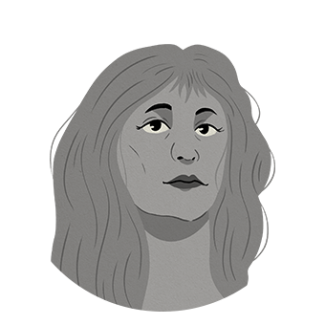
لويز ماليرب، مبرمجة أفلام وقيّمة معارض وناقدة أفلام مقيمة في برلين. عملت كمبرمجة أفلام لجمعية متروبوليس للسينما في بيروت. حاليا تنسق لويز مشروع ريل ستريمز الذي يهدف إلى دعم نشر السينما المستقلة في المنطقة العربية. هي رئيسة قسم البرمجة لمهرجان صورة السينمائي، وهو مهرجان أفلام كويرية يركز على منطقة جنوب غرب آسيا وشمال أفريقيا. تكتب لويز النقد السينمائيين لـ مانيفستو XXI، وقد بدأت مؤخرًا تنظيم الأفلام والمهرجانات لسينما عقيل.

Enciende tu fuego feminista leyendo nuestras investigaciones y publicaciones varias sobre financiamiento, defensoras de derechos humanos, construcción de movimientos, fundamentalismos, justicia económica, seguimiento y evaluación feminista y más
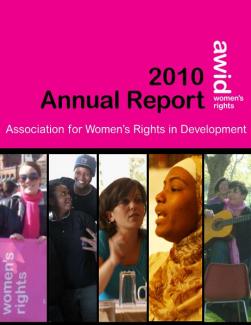
Our 2010 Annual Report highlights the major accomplishments of each of our strategic initiatives during the year.
Along with activity highlights, we include a brief analysis of the impact of our initiatives as well as reflections from our members and partners that further illustrate the relevance of AWID’s work and its connection to broader women’s rights movements.
This interactive document is complete with links to our websites and recent publications with in-depth information on the issues we address in the report.
إيستر لوبيز راقصة وكاتبة تركز أبحاثها على الجسد والنوع والعرق والعلاقات الطبقية. هي مدرّبة بيلاتيس ومعلمة فنون. تخرجت إستر في دراسة المسرح المعاصر – العمليات الإبداعية (في FAINC) وفي الرقص والوعي بالجسم (في USCS). يشمل تخصصها الموسيقي الغناء الشعبي والإيقاع. تلقت تدريبًا في “نوفوس برينكانتس” مع فليرا فيرو وماتيوس برادو وأنطونيو مييرا في معهد Brincante في عامي 2015 و 2016.
Apprenez-en davantage sur les prochains événements CSW69 co-organisés par l'AWID ci-dessous
Organisé par MADRE, Fondo Semillas et Feminist Church
📅 Mercredi 29 avril
🕒 16 h 00 – 17 h 30
🏢 Melbourne Convention and Exhibition Centre, Salle n° 204
Margarita is a feminist and LGBTIQA activist from Latin America; her passion is social transformation and collective wellbeing. She holds degrees in Psychology, Communications and Public Administration, as well as certificates in Public Policy, Leadership, Management & Decision Making. In her professional capacity, Margarita has had extensive experience with grassroots organizations, national and regional NGOs, universities and the public sector, developing facilitation, capacity building, political advocacy, communications & policy assessment.
«Este sería un buen momento para repensar cómo podría ser la revolución. Quizás no sera una marcha por las calles de cuerpos enojados y sin discapacidades. Quizás será más como el mundo detenido porque todos los cuerpos que hay en él están exhaustos: porque el cuidado debe ser priorizado antes de que sea demasiado tarde.»
- Johanna Hedva
Los hospitales son instituciones, espacios vivientes del capitalismo, y lo que se manifiesta cuando alguien está supuestamente haciendo reposo allí es un microcosmos del sistema en que vivimos.
Las instituciones están organizadas para separarnos de nuestros sistemas de cuidados: en ellas nos encontramos aisladxs en estructuras rígidamente jerárquicas, y a menudo sentimos como si ese cuidado fuera algo que se nos hace a nosotrxs, en lugar de algo dado/recibido como parte de una conversación. Debido a su integración en la demanda capitalista, el cuidado institucional está compartimentado: una persona trata tu pierna y solo tu pierna, otra persona trata tu presión arterial, etc.
El mes pasado, la fotógrafa Mariam Mekiwi tuvo que someterse a una cirugía y documentó el proceso. Sus imágenes de entornos esterilizados (luces blancas de neón, filas y filas de estructuras repetitivas), con una paleta de colores desteñidos, reflejan un lugar que estaba vaciado de vida y de movimiento. Esta fue una de las formas en que Mariam mantuvo vivo su propio espíritu. Era una forma de protesta desde dentro de los confines de una institución con la cual tenía que interactuar.
Las fotos constituyen un retrato de algo increíblemente vulnerable, porque observar a alguien atravesar el colapso de su propio cuerpo es siempre un recordatorio sagrado de nuestra fragilidad. Son también un testimonio de la fragilidad de estos sistemas de cuidado, que nos pueden ser negados por diversas razones: desde no tener dinero hasta no estar en un cuerpo considerado lo suficientemente valioso, un cuerpo que es quizás demasiado femenino, demasiado queer, o demasiado marrón.
El cuidado experimentado como algo desencarnado y solitario, que puede ser revocado en cualquier momento, no nos ayuda a prosperar. Y es muy diferente del modo en que los seres humanos se comportan en la realidad cuando cuidan unos de otros. ¿En qué sería diferente nuestro mundo si nos comprometiéramos a desmantelar las actuales estructuras capitalistas referidas a nuestra salud? ¿Cómo sería nuestro mundo si lo reinventáramos en forma radical?